Search in Classifieds
Search in Groups
Search in Polls
Search in Members
Search in Members
Search in News
Search in Polls
Search in Businesses
Search in Contests
Search in Events
Search in Music Albums
Search in Music Songs
Search in Quotes
Search in Site Team
Search in Jobs
Search in Products
Search in Products
7 minutes, 1 second
-273 Views 0 Comments 0 Likes 0 Reviews
Autumn decorating in 2026 is moving beyond identical beige arrangements. UK interiors are using richer colours, natural texture and more individual displays, with rust, burgundy, caramel, mustard yellow, deep green and soft blue appearing across the season.
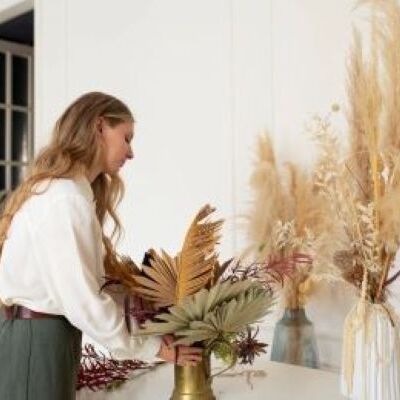
The strongest arrangements feel collected rather than perfectly matched. Combine sculptural stems with softer flowers, vary the height and leave enough open space for every shape to be seen. These seven autumn dried flowers make it easy to create that look in a vase, wreath, tablescape or seasonal bouquet.
Four styling ideas are shaping autumn arrangements this year:
Rich colour: Burgundy, burnt orange, honey yellow and plum add warmth without relying on plastic seasonal decorations.
Layered texture: Mix rounded flower heads, airy filler flowers, grasses and trailing stems.
Sculptural shapes: Asymmetrical arrangements and bold silhouettes bring character to shelves, tables and entrances.
Reusable styling: Choose flowers that can move from an autumn table to a winter display instead of replacing the whole arrangement.

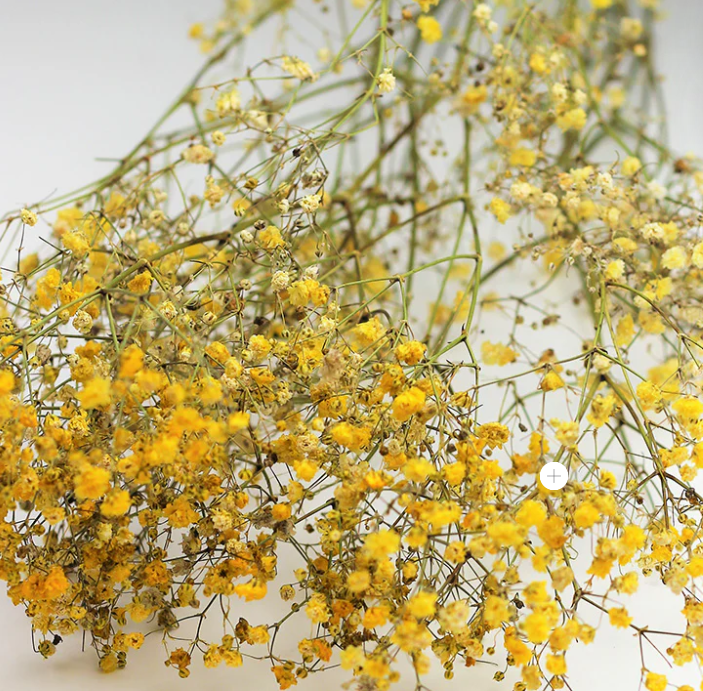
Gypsophila, also called baby's breath, adds lightness and volume without hiding stronger focal flowers. Frosted pink works with burgundy, plum and caramel, while neutral varieties soften darker autumn palettes.
Use a small cloud of gypsophila around thistle or helichrysum, or place it alone in a narrow vase for a simple display. Its branching form also makes it useful in wreaths and a compact Dried bouquet.
Globe thistle brings a firm, rounded shape and a cooler colour contrast to warm autumn arrangements. Lilac and blue tones work particularly well beside rust, mustard and deep red.
For a modern 2026 look, use an odd number of thistle stems at different heights. Their architectural form suits narrow-necked vases, mantel displays and arrangements that need definition without excessive fullness.
Gomphrena provides compact flower heads and a strong flash of colour. Cerise pink can lift a dark burgundy palette, while its pom-pom form adds contrast beside grasses and fine foliage.
Use it sparingly as an accent flower rather than filling the entire arrangement. A few stems can brighten a bedside vase, gift bouquet or autumn table without making the display feel overly themed.
Achillea, commonly known as yarrow, is a natural match for the honey and mustard shades appearing in autumn 2026 interiors. Its flat flower clusters create a useful middle layer between tall grasses and smaller filler flowers.
Pair yellow achillea with wheat, deep green foliage or burgundy accents. It also works well in low table arrangements because the clustered heads add colour without blocking conversation.
Trailing amaranthus introduces movement, which helps an arrangement feel less rigid. Its deep red tone suits the renewed interest in burgundy and rich, characterful interiors.
Let the stems fall naturally from a tall vase, urn or mantel arrangement. Avoid placing dried or preserved flowers beside a shower or another humid area, as moisture can damage them.

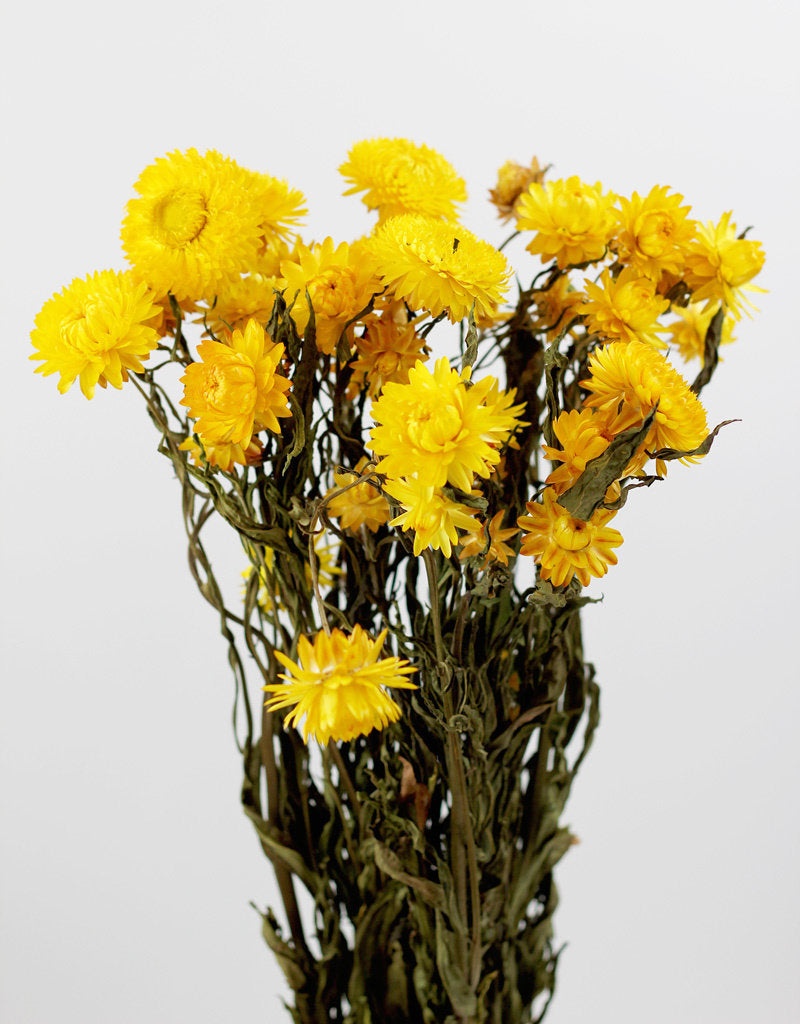
Helichrysum has crisp, papery flower heads that hold their shape and add concentrated colour. Violet brings depth to rust and caramel schemes, while orange and yellow varieties create a more traditional harvest palette.
Use the full stems in a vase or trim individual heads for wreaths and craft projects. Keep them away from candles and other heat sources when styling a table.
Dried cardi has a wild, sculptural outline that fits the 2026 preference for arrangements with personality and visible natural variation. Pink stems can soften darker autumn shades or add an unexpected accent to a neutral room.
Display cardi in a tall vase where its silhouette has room to stand out. It also combines well with Pampas Grass when you want extra height and softness.

Choose three roles for a balanced arrangement: one tall or trailing element, one focal flower and one softer filler. For example, combine trailing amaranthus, yellow achillea and gypsophila. Rotate the vase while arranging so the design works from every visible angle.
Keep the flowers dry, out of strong direct sunlight and away from radiators or open flames. Do not water them. Remove dust carefully with a soft brush or a cool, low-powered air setting.
Browse the wider selection of dried flowers, Pampas Grass and seasonal stems at Dried Flowers & Decor.
For more inspiration, read 4 Upcoming Dried Flower Wedding Décor Trends in UK and 10 Ways to Make Your Event Look Beautiful With Dried Flowers & Pampas Grass.
Rust, burgundy, caramel, mustard yellow, plum and deep green create a warm base. Soft blue or lilac can provide contrast, while natural beige helps balance stronger colours.
Many dried arrangements can remain attractive for months and sometimes longer. Their condition depends on the flower type, handling and storage. Moisture and strong sunlight can cause damage or fading.
Yes. Keep neutral grasses, thistle, gypsophila and foliage, then replace a few warm autumn accents with white, deep green or metallic seasonal details.
dried flowers UK wholesale dried flowers UK bulk dried flowers UK autumn dried flowers autumn dried flower arrangements autumn home decor 2026 dried helichrysum autumn wedding flowers dried flower styling ideas
We are a close community to help to meet and greet new people.
We are a secure community with 5000+ active members who help you with your queries, post new updates and grow your network.

Share this page with your family and friends.