Aircraft ground operations depend on equipment that supports orderly parking, positioning, servicing, and movement around the aircraft, and selecting a suitable Aircraft Wheel Chock requires attention to much more than its basic restraint role. Material selection, purchasing considerations, functional engineering, manufacturing technology, user experience, maintenance, handling, and visual design all influence how naturally ground-support equipment fits into aviation working environments.
Material selection is an important starting point for aviation ground products because equipment may be exposed to sunlight, rain, dust, moisture, surface contamination, cleaning activity, and repeated handling. Rubber, plastic, metal, and composite materials can offer different combinations of resilience, structural support, surface durability, and environmental compatibility. Manufacturers can consider the operating environment and expected care routine when deciding on a suitable material strategy.
Material behavior should also be considered together with the ground surface. Aircraft service areas may involve concrete, paved aprons, maintenance floors, loading zones, or other prepared surfaces. Engineers can review contact areas, product geometry, surface texture, handles, and supporting elements together so the equipment can be positioned and handled naturally during routine ground activities.
Purchasing decisions should begin with the actual airport or aviation workflow. Ground crews may need equipment for aircraft parking, maintenance, inspection, loading, servicing, or temporary positioning. Buyers can consider storage, handling, cleaning, visibility, transportation within the facility, and compatibility with other ground-support products before selecting an equipment concept.
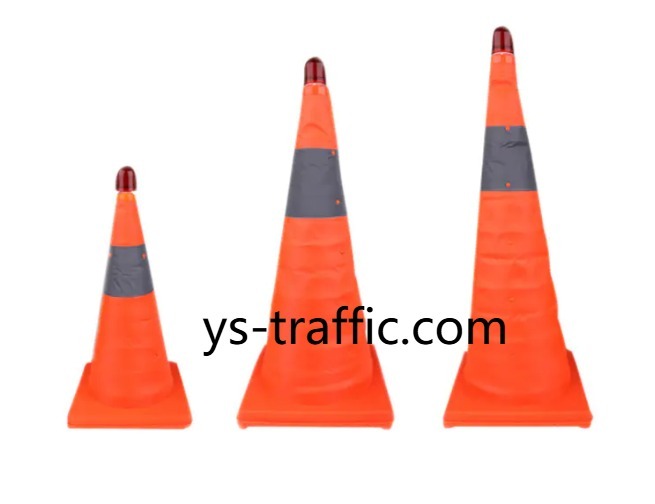
The wider operating environment should also influence procurement. Ground-support products may be used alongside cones, barriers, ramps, service vehicles, maintenance tools, warning equipment, and other airport facilities. Reviewing these relationships can help buyers create a more coordinated working area and make routine ground operations easier to organize.
Supplier evaluation is another important consideration. Businesses can review manufacturing experience, material knowledge, engineering communication, quality management, customization capability, packaging, production organization, and customer support. A supplier familiar with traffic and ground-support products can provide more practical guidance when customers have specific handling or site-management needs. Tiantai Yongsheng Traffic Facilities Co., Ltd. applies practical manufacturing experience to traffic and related ground-support product development.
Functional engineering determines how the product interacts with the aircraft environment. Designers can consider the contact profile, structural shape, grip areas, attachment features, handles, and surface treatment as one coordinated design. The goal is to create equipment that is understandable for ground personnel and practical to position during everyday operations.
Handling is especially important because aviation ground equipment may be moved frequently between storage locations and working areas. A product should be easy to identify, carry, place, retrieve, clean, and store. Designers can consider the physical interaction between users and the product during routine preparation instead of focusing only on its final position.
Visibility can also influence the user experience. Aircraft service areas can be busy environments with many vehicles, tools, markings, and personnel. Distinctive colors, reflective elements, recognizable shapes, and clear visual organization can help ground crews identify relevant equipment more easily. Visual clarity can therefore support operational organization as well as product appearance.
Manufacturing technology connects these ideas with repeatable production. Digital modeling can help engineers review product geometry, contact surfaces, handles, structural relationships, and related components before manufacturing begins. Molding, forming, cutting, bonding, machining, finishing, assembly, and inspection can then be coordinated around the approved design.
Production feedback provides useful information for refinement. Manufacturing teams may identify ways to improve handling or assembly, while installation and ground-service personnel can share observations about placement and storage. Quality teams can provide information about surface consistency, while customers can highlight practical requirements from aviation facilities.
User experience includes ground crews, maintenance personnel, facility managers, distributors, and service contractors. Clear product identification, practical handling, understandable placement, and organized storage can make daily work more manageable. Equipment that reflects real operating routines can reduce unnecessary effort during preparation and service activities.
Maintenance should be considered from the beginning of product development. Ground-support equipment can collect dust, moisture, rubber residue, oil contamination, and other surface debris. Durable materials, accessible surfaces, practical cleaning areas, and straightforward inspection points can support routine care. Maintenance-friendly construction can also help facility teams keep equipment organized between uses.
Storage and transportation are equally relevant. Ground equipment may move between aircraft stands, maintenance areas, warehouses, service vehicles, and storage rooms. Protective packaging, clear product identification, manageable shapes, and organized storage concepts can simplify these transitions and help preserve product condition.
Design and appearance contribute to the professional identity of aviation ground equipment. Surface finish, color coordination, product contours, handles, reflective details, and visible structural elements can influence how the equipment appears within an airport or maintenance environment. A clean appearance can also make functional areas easier to recognize.
Customization gives airport service companies, aircraft maintenance organizations, logistics businesses, contractors, distributors, and private-label customers greater flexibility. Different projects may require alternative materials, grip structures, reflective arrangements, colors, surface treatments, carrying features, or packaging concepts. Flexible product development allows these requirements to be considered while keeping engineering and manufacturing coordinated.
Sustainability can also influence ground-support product development through efficient material utilization, reduced production waste, durable construction, repair-friendly structures, reusable packaging, and longer product lifecycles. These considerations can be integrated with handling, maintenance, storage, and manufacturing planning.
Quality management connects material preparation, product development, molding or fabrication, finishing, assembly, inspection, packaging, and customer feedback. Information from engineers, ground crews, maintenance teams, facility managers, distributors, and service contractors can reveal opportunities to improve handling, visibility, cleaning, storage, maintenance, and product consistency.
Tiantai Yongsheng Traffic Facilities Co., Ltd. continues developing traffic and ground-support solutions through practical manufacturing experience, coordinated engineering, flexible product development, and quality-focused processes. Its approach considers material selection, aircraft-area integration, handling, visibility, maintenance, storage, customization, packaging, and visual design across different aviation and transportation applications. More information about its products and manufacturing capabilities is available at https://www.ys-traffic.com/.


 Search in Classifieds
 Search in Groups
 Search in Polls
 Search in Members
 Search in Members
 Search in News
 Search in Businesses
 Search in Contests
 Search in Events
 Search in Music Albums
 Search in Music Songs
 Search in Quotes
 Search in Site Team



Share this page with your family and friends.