Clean beauty has moved from a niche preference to a mainstream expectation, and this shift places new pressures on every stage of product development. Formulators, brand owners, and manufacturing partners must reconsider which ingredients they select, how they source raw materials, and how they verify safety and sustainability claims. For companies working with Cosmetics OEM&ODM providers, these changes affect everything from initial concept discussions to final production runs. The question is no longer whether clean beauty matters, but how quickly supply chains and development teams can respond. What does this mean for brands that depend on external manufacturing partners like anycolorcosmetics?
Consumers now read labels with greater attention. They ask about silicones, parabens, synthetic fragrances, and petrolatum. They want to know where ingredients come from and whether production processes respect environmental limits. This awareness pushes brands to request formulations that avoid certain materials while maintaining texture, stability, and performance. A foundation must still spread evenly. A concealer must still cover imperfections. A lip product must still feel comfortable. Meeting these expectations without familiar synthetic helpers requires experimentation and technical skill.
For manufacturing partners, the clean beauty trend demands a deeper understanding of alternative raw materials. Plant-derived emollients, naturally sourced pigments, and biodegradable thickeners can replace conventional options, but they behave differently. Some are more sensitive to temperature changes. Others interact poorly with certain preservatives. Formulators must test combinations repeatedly to achieve a product that satisfies both clean beauty criteria and consumer expectations for feel and wear.
Documentation and transparency also become central. Brands need ingredient breakdowns, safety assessments, and origin details. Manufacturing partners must organize this information clearly and provide it promptly. Any gap in documentation can delay a launch or damage consumer trust. Clean beauty is not only about what goes into a product but also about what a brand can prove regarding its contents and processes.
Small and emerging brands feel these pressures acutely. They often lack in-house laboratories and regulatory teams. They rely on manufacturing partners for guidance on what is feasible, what costs are involved, and what timelines are realistic. A partner that understands clean beauty requirements can help a brand avoid costly reformulations and missed deadlines. A partner that treats clean beauty as a passing trend may deliver products that fail to meet market expectations.
The demand for clean beauty also affects packaging decisions. Consumers associate sustainability with recyclable or refillable containers. Brands may request glass, recycled plastic, or minimal outer packaging. These choices influence filling lines, shipping weights, and cost structures. Manufacturing partners must coordinate with packaging suppliers and adjust production schedules accordingly. Clean beauty therefore touches not only the formula but the entire product system.
Working with an experienced manufacturer can reduce the uncertainty. A partner with a broad ingredient library and a disciplined testing process can propose alternatives that preserve sensory qualities. A partner with strong supplier relationships can secure reliable quantities of clean-certified materials. A partner with regulatory knowledge can help a brand make claims that are accurate and defensible. These capabilities matter when timelines are tight and competition is strong.
anycolorcosmetics brings practical support to brands navigating clean beauty expectations. The company offers development assistance, small-batch trials, and full-scale production for color cosmetics. Its team works with clients to identify ingredient options that align with clean beauty goals while maintaining product performance. For a concealer or foundation project, that might mean selecting naturally derived pigments and testing them across different skin tones and lighting conditions. It might mean adjusting preservative systems to meet clean standards without compromising shelf life. It might mean revising a formula several times before moving to production.
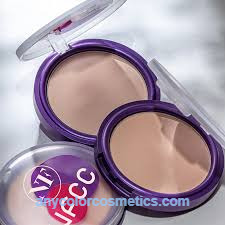
The foundation category illustrates the challenge well. A mattifying liquid foundation must control shine, provide coverage, and feel lightweight. Traditional formulas often rely on silicones and synthetic powders to achieve these effects. Clean beauty alternatives may include silica from natural sources, plant-based oils, and mineral pigments. Each substitution changes how the product spreads, sets, and wears throughout the day. Testing on diverse skin types becomes essential. A product that performs well in a laboratory may behave differently after several hours of wear in humid conditions.
Brands also face decisions about marketing language. Terms like "natural," "clean," and "non-toxic" carry different meanings in different markets. Some regions regulate these terms, while others rely on industry guidelines. A manufacturing partner can help a brand choose wording that is accurate and compliant. This support protects the brand from legal challenges and consumer backlash. It also builds credibility with retailers and influencers who evaluate products carefully before recommending them.
The shift toward clean beauty will continue as consumers learn more about ingredient safety and environmental impact. Brands that treat this shift as a temporary trend may find themselves revising products repeatedly or losing shelf space to competitors. Brands that invest in understanding clean beauty requirements and building strong manufacturing relationships will be positioned to respond quickly and confidently. The path forward involves collaboration, testing, and a willingness to rethink familiar formulas. For brands ready to explore clean beauty options in color cosmetics, anycolorcosmetics and its Cosmetics OEM&ODM capabilities can guide the way, and https://www.anycolorcosmetics.com/ offers a look at how a mattifying foundation can meet modern expectations for performance and ingredient awareness. What steps will your brand take to align with clean beauty while keeping product quality high?


 Search in Classifieds
 Search in Groups
 Search in Polls
 Search in Members
 Search in Members
 Search in News
 Search in Businesses
 Search in Contests
 Search in Events
 Search in Music Albums
 Search in Music Songs
 Search in Quotes
 Search in Site Team



Share this page with your family and friends.