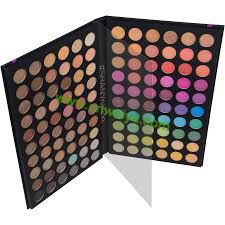
When an eyeshadow appears clearly after a light sweep of the brush, the visible result comes from several elements working together rather than from color intensity alone. Pigment concentration, particle distribution, binding ingredients, surface texture, and the interaction between the formula and the eyelid can all affect how quickly a shade becomes noticeable. For brands, retailers, makeup artists, and product developers examining Highly Pigmented Eyeshadow, understanding this relationship helps explain why some formulas reveal their intended shade almost immediately. Cnweiya also presents eye makeup as part of its broader cosmetics range, making the question worth exploring: why does highly pigmented eyeshadow show color so quickly?
The most direct factor is the amount of color pigment contained within the formula. Pigments are responsible for the visible shade, so a formula with a concentrated color phase can create a stronger visual impression during the first application. This does not simply mean adding as much pigment as possible. The pigment needs to be distributed through the base in a way that allows the color to transfer evenly from the pan or applicator onto the skin. When the particles are properly incorporated, a relatively small amount of product can create a recognizable shade without requiring repeated brushing.
Particle distribution is closely connected with this behavior. If color particles are dispersed unevenly, some areas of the formula may contain greater pigment concentration while others appear weaker, producing an inconsistent result during application. A carefully developed powder system aims to distribute the color phase throughout the product so that each portion taken by a brush carries a reasonably consistent amount of pigment. This helps explain why formulation development involves much more than simply selecting a desirable shade.
The base formula also affects how quickly color becomes visible. Eyeshadow is not made from pigment alone. Different ingredients can influence adhesion, texture, slip, blending behavior, and the way the powder settles onto the eyelid. A formula that transfers efficiently can leave a visible layer of color with limited movement of the brush, while a less adhesive texture may require additional application to achieve the intended appearance. This is one reason why pigment concentration and overall formulation need to be considered together.
The surface of the eyelid introduces another variable. Natural oils, skin texture, dryness, and the presence of a primer can change how powder interacts with the skin. A smooth base can provide a consistent surface for application, while an uneven or oily area may alter the way particles attach. A primer can also create an additional layer that changes adhesion and color appearance. The final shade therefore comes from an interaction between the cosmetic formula and the surface receiving it, rather than from the product alone.
Application pressure matters as well. Pressing a brush firmly into the pan can pick up a larger amount of powder, while a lighter touch may collect a smaller quantity. The way the brush is loaded and tapped before application can consequently influence the first visible layer. For richly colored formulas, controlled application is particularly useful because a small amount may already provide noticeable coverage. Gradual placement can help users determine how much product is actually required for the desired appearance.
The type of finish also changes the visual impression. Matte, shimmer, metallic, and light-reflective formulations interact with illumination in different ways. A matte shade relies primarily on the concentration and distribution of color, whereas reflective particles can make a shade appear especially noticeable when light reaches the eyelid. This means that two products with similar pigment levels may still create different visual impressions because their finishes handle light differently.
Blendability is another important part of the equation. Strong color payoff is useful only when the product can still be placed and softened with reasonable control. A shade that becomes visible quickly but refuses to distribute evenly can create patches that are difficult to refine. A well-balanced formula therefore needs to consider both initial color transfer and subsequent blending. The ability to build, soften, or transition between shades gives users greater control over the final eye look.
The behavior of powder during application is also related to particle size and texture. Very loose powder may create visible fallout if the particles are not sufficiently controlled, while a highly compact surface may affect how much material a brush can collect. The relationship between compression, texture, pigment distribution, and adhesion is therefore important during product development. These details may not be obvious when simply looking at a finished palette, yet they can have a direct effect on the user's experience.
Skin tone provides another reason that color payoff should not be judged from a single application surface. A shade can appear different depending on the depth and undertone of the skin beneath it. A well-developed color system considers how the shade behaves across a range of complexions rather than relying only on its appearance inside the pan. This is especially relevant when brands are developing palettes intended for varied consumer groups, because the same shade may need to remain recognizable while producing different visual nuances across skin tones.
For cosmetic manufacturers, achieving a rapid and noticeable color result involves cooperation between formulation development, raw material selection, production control, and testing. Cnweiya's public website includes dedicated sections for R&D Laboratory, Custom Service, and Manufacturing, reflecting the different stages involved in developing and producing cosmetic products. Its industry content also discusses pigment concentration, smooth application, blending, layering, fallout, and the role of primers in the final appearance.
For brands developing an eyeshadow product, it is useful to look beyond the phrase "high pigmentation" and examine how the complete formula behaves during actual application. Shade development, powder texture, pigment dispersion, adhesion, finish, blending, packaging, and production consistency all contribute to the final experience. Businesses interested in exploring Cnweiya's related cosmetic information can read the detailed discussion at https://www.cnweiya.com/, where the relationship between pigment concentration, smooth application, color retention, blending, and fallout is also discussed. Understanding these factors makes it easier to evaluate why Highly Pigmented Eyeshadow becomes visible quickly and how formulation choices shape the finished makeup experience.


 Search in Classifieds
 Search in Groups
 Search in Polls
 Search in Members
 Search in Members
 Search in News
 Search in Businesses
 Search in Contests
 Search in Events
 Search in Music Albums
 Search in Music Songs
 Search in Quotes
 Search in Site Team




Share this page with your family and friends.