Custom paper straws can begin breaking down much sooner than plastic straws, but the full process does not happen overnight. The actual time depends on moisture, temperature, air, microorganisms and the materials used to make the straw. A paper straw placed in damp compost can break down much faster than one sitting in a dry rubbish bin.
Coatings and printing can also slow the process in some cases. Paper fibres naturally react with moisture and gradually lose their strength. Once the fibres become weak, microorganisms can continue breaking the material into smaller parts until little of the original straw remains.
Moisture Starts Breakdown
Moisture plays an important role when a paper straw begins its natural breakdown. Dry paper can remain stable for a long period because the fibres have little contact with the conditions needed for decomposition. Once water reaches those fibres, the material starts becoming softer and weaker.
This can happen fairly quickly in damp surroundings. For businesses storing Custom Paper Straws Bulk supplies, the same principle explains why unused straws remain stable when kept dry. After disposal, the situation changes as water and natural microorganisms gain access to the paper structure.
Paper Fibres Break
Paper is made from plant-based fibres that can naturally break down under suitable conditions. When those fibres become wet, they gradually lose the strength that keeps the straw firm. The layers may begin separating, and the shape can collapse. Microorganisms then have more access to the exposed material.
Even when a straw carries a name or design, the basic paper structure can still follow this natural process. Personalised Paper Straws may therefore break down in much the same way as plain paper straws when their paper and coating materials are suitable for decomposition.
Printing Can Matter
Printing does not automatically stop a paper straw from decomposing. The main concern is the complete material structure rather than the appearance on the outside. Some straws have simple printing while others may have additional coatings that provide resistance against moisture.
A printed surface that absorbs water easily may not noticeably delay decomposition. More resistant finishes can take longer to weaken. This is worth considering when Custom Printed Straws are produced for food and drink use because the paper grade and surface treatment can influence how quickly moisture reaches the inner fibres.
Striped Layers Change
A paper straw can contain several layers that are wrapped together to create enough strength for drinking. These layers do not necessarily make the straw difficult to decompose. They simply mean moisture may need more time to move through the structure.
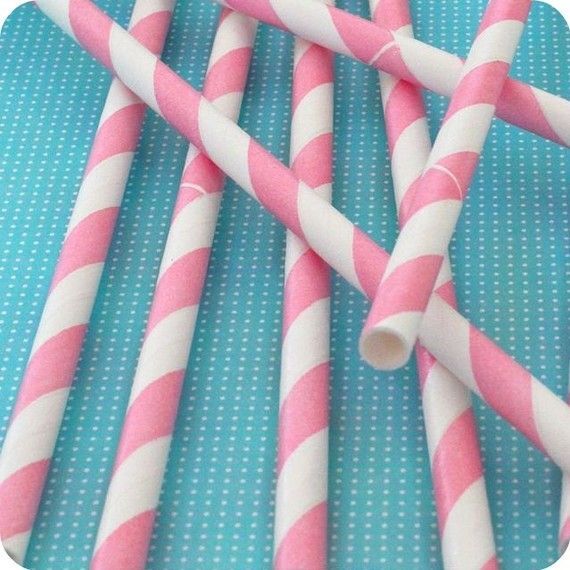
Once water enters the outer surface, the paper begins losing its firmness. The layers can then loosen over time. A familiar example is found with Striped Paper Straws, where different coloured sections create a visible pattern. The stripes themselves are not what controls decomposition. Paper type, adhesives, moisture and coating have a greater effect.
Compost Speeds Things
Composting creates several conditions that can support faster paper decomposition. Moisture keeps the fibres soft while oxygen allows natural biological activity to continue. Warm temperatures can also help microorganisms remain active. This is why paper placed inside a suitable compost environment may break down sooner than paper left in a dry waste container.
Products described as Biodegradable Paper Straws are designed to break down under appropriate conditions, but biodegradable does not mean instant. The straw still needs enough moisture, warmth and biological activity before the paper can move through the complete decomposition process.
Weather Changes Timing
Outdoor conditions can make the decomposition period change from one season to another. Warm weather normally creates more favourable conditions for microorganisms, while regular moisture keeps paper fibres from staying dry. Cold periods can slow biological activity. Heavy rain can make paper soft quickly, although other environmental factors still determine what happens afterwards.
Seasonal products such as Christmas Paper Straws can therefore experience different decomposition speeds depending on when they are discarded. The festive printing does not decide the timeline on its own. Temperature, moisture, paper quality and surface treatments remain more important factors.
Storage Delays Decay
A dry storage room provides very different conditions from a compost pile. Paper straws stored away from water can remain usable for a long period because decomposition needs moisture and biological activity. Proper storage therefore delays the natural breakdown process before the straws are used.
This can also matter for businesses purchasing Paper Straws Wholesale because large quantities may stay packed for some time. Once the straws are discarded, their surroundings become more important. Damp soil, compost or another suitable environment can encourage the paper fibres to weaken and eventually become part of the surrounding material.
Colour Shows Changes
The physical changes can sometimes be easier to notice on a plain straw. Moisture may create darker patches before the paper starts losing its shape. As decomposition continues, the straw can become soft and develop small tears. Eventually the original tube may collapse into loose pieces of paper.
A pale product such as White Paper Straws can make these changes particularly easy to see. However, colour itself does not determine decomposition speed. The important factors remain paper fibres, moisture, temperature, microorganisms, coatings and the conditions surrounding the discarded straw.
Coatings Affect Time
Some paper straws are designed to remain firm while holding a drink. That requires the paper to resist moisture for at least the normal period of use. The same resistance can sometimes affect what happens after disposal. A strongly coated surface may take longer to absorb water than untreated paper. This does not mean the entire straw will remain unchanged forever.
Once moisture eventually reaches the paper fibres, the normal decomposition process can begin. Customised Paper Straws can therefore have different decomposition periods depending on their paper quality, coating adhesive and printing rather than simply because they have been customised.
Soil Supports Change
Soil contains moisture, microorganisms and other natural activity that can interact with paper. A straw buried in healthy moist soil may gradually lose its structure as the fibres become wet and microorganisms act on them. Dry soil creates a slower environment because there is less moisture available for the process.
The depth of burial can also make a difference because conditions below the surface may remain more consistently damp. Decomposition is therefore not controlled by a simple calendar. Two identical straws can take different amounts of time when placed in different soil conditions.
Water Has Limits
Water is important, but simply placing a paper straw in water does not guarantee instant decomposition. The straw may become soft and lose its shape quite quickly, while complete biological breakdown takes longer. Moving water can also carry softened paper away from the original location.
Decomposition requires microorganisms as well as moisture. In some situations, the paper may fragment without fully breaking down immediately. This difference matters because physical disappearance and complete decomposition are not exactly the same thing. A straw that looks gone may still have small paper fragments remaining in the surrounding environment.
Landfill Conditions Differ
A landfill does not provide the same conditions as a compost pile. Waste can become tightly packed and access to oxygen may be limited. Moisture levels can also vary considerably. Because of these differences, paper may break down more slowly than expected.
Custom Papers Cup Wholesale should therefore not be assumed to disappear at the same speed everywhere. The surrounding waste and local conditions matter. Even a material that can naturally decompose may remain for a longer period when it is buried in a dry or poorly aerated environment. Decomposition depends heavily on the place where disposal happens.
Time Varies Naturally
There is no single number that applies to every paper straw. Under favourable compost conditions, a straw may begin losing its structure within days or weeks and can continue breaking down over the following weeks or months. A dry environment can extend that period considerably.
The paper thickness also matters because thicker material contains more fibres that need to break down. Coatings and adhesives can create additional resistance. For that reason, a general estimate should always be treated as a range rather than a fixed promise. Natural decomposition changes with the environment.
What Happens Finally
The final stage happens when the paper structure becomes too weak to hold together. The straw first loses its original shape and then separates into smaller pieces. Moisture continues working through those pieces while microorganisms consume suitable organic material.
Over time, the remaining fibres become less recognisable as a straw. The process is gradual rather than dramatic. There may be no obvious moment when decomposition is complete. Instead, the material slowly becomes part of the surrounding soil or compost. This is why suitable disposal conditions are important when paper products are expected to break down naturally.
Conclusion
Custom paper straws can take several weeks to several months to fully decompose depending on where they are discarded and what materials are used in their construction. Moisture usually starts the breakdown while warmth oxygen and microorganisms help the process continue.
Compost and damp soil can provide conditions that support faster decomposition while dry storage and some landfill conditions can slow it down. Paper thickness coatings, adhesives and printing may also change the timing. A paper straw therefore does not have one fixed decomposition period. Its surroundings play a major role in deciding how quickly the material loses its structure and returns to the natural environment.


 Search in Classifieds
 Search in Groups
 Search in Polls
 Search in Members
 Search in Members
 Search in News
 Search in Businesses
 Search in Contests
 Search in Events
 Search in Music Albums
 Search in Music Songs
 Search in Quotes
 Search in Site Team



Share this page with your family and friends.