



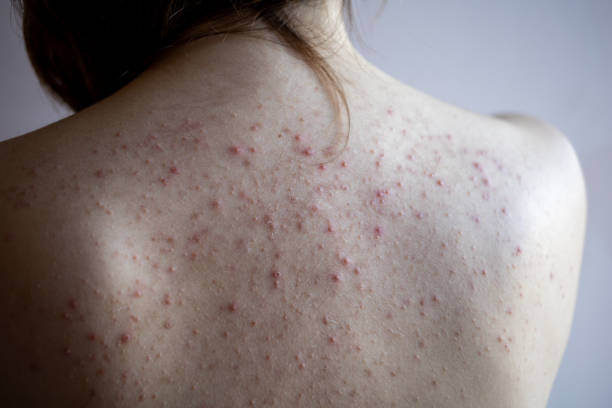
Few habits sabotage back acne treatment more thoroughly than picking and popping. It feels productive—like you are removing the problem—but in reality, squeezing pushes bacteria and inflammation deeper into the follicle, extends healing time, and creates the scars that linger long after the blemish fades. How to Treat Back Acne(كيفية علاج حب الشباب في الظهر) Understanding How to Treat Back Acne without picking or popping means learning why the urge arises, what damage it causes, and how to replace the habit with strategies that actually help.
Why Picking and Popping Cause Damage
Bacteria Pushed Deeper
Squeezing forces bacteria, oil, and debris further into the follicle and surrounding tissue. What was a surface blemish becomes a deeper, more painful lesion that takes far longer to resolve.
Inflammation Escalates
The pressure of squeezing ruptures the follicle wall, spilling contents into surrounding tissue. The body responds with intensified inflammation, causing redness, swelling, and pain.
Scarring Develops
Repeated trauma to the same area causes textural scarring that is difficult to reverse. Atrophic scars, ice-pick scars, and thickened keloids all develop more frequently in skin that has been repeatedly manipulated.
Pigmentation Worsens
Inflammation triggers melanin production, and picking increases inflammation dramatically. The dark marks left behind may persist for many months, particularly on the back where healing is slower.
Infection Risk
Open wounds created by squeezing provide an entry point for bacteria. On the back, where clothing and sweat are constant factors, infection risk is higher than on the face. When patients commit to How to Treat Back Acne without manipulation, many notice faster clearing within weeks.
Spread to New Areas
Hands transfer bacteria from one blemish to another. Picking in one area frequently results in new breakouts nearby.
Why the Urge Feels So Strong
The Illusion of Control
Picking feels like taking action. When skin feels out of control, manipulation provides a temporary sense of agency, even though it worsens the situation.
Immediate Relief From Pressure
Large, tense blemishes create physical discomfort. Releasing pressure brings short-term relief, which reinforces the habit despite long-term consequences.
Visual Triggers
Seeing or feeling a blemish activates the urge. Mirrors, tight clothing against the skin, and idle moments in the shower all increase temptation.
Stress and Anxiety
Stress increases both acne activity and the urge to pick. The two reinforce each other in a cycle that is difficult to break without deliberate strategies.
Habitual Unconsciousness
Much picking happens without awareness—while reading, watching television, or lying in bed. Unconscious habits require environmental changes rather than willpower alone.
Strategies to Stop Picking
Keep Hands Occupied
Fidget tools, stress balls, or simply holding a book reduces idle hand activity. Occupied hands are far less likely to wander to the back.
Trim Nails Short
Short nails make squeezing difficult and reduce damage if you do pick. This simple step lowers the consequences of momentary lapses.
Identify Your Triggers
Note when and where you pick—after showers, in front of mirrors, during stressful periods. Awareness allows you to interrupt the pattern before it starts.
Cover Problem Areas
Loose clothing covering the back reduces visual and tactile triggers. Out of sight genuinely helps for many people.
Limit Mirror Time
Extended mirror checking increases picking. Keep bathroom time brief and focused on your routine rather than inspection.
Set a Replacement Behaviour
When you feel the urge, replace it with something specific—applying treatment, drinking water, or taking a short walk. Substitution works better than suppression.
Use Treatment to Address the Impulse
Applying a targeted spot treatment gives you something productive to do when a blemish bothers you. This redirects the urge without causing damage.
Track Progress Visually
Photograph your back weekly. Seeing clear improvement motivates you to protect it rather than interfere with it.
What to Do Instead of Picking
Apply a Spot Treatment
Benzoyl peroxide, salicylic acid, or azelaic acid applied directly to the blemish addresses it without trauma. A Best treatment for back acne routine includes a spot option for moments of temptation.
Use Warm Compresses
For tense, uncomfortable blemishes, a warm compress for a few minutes can encourage natural drainage and reduce pressure without squeezing.
Take Anti-Inflammatory Measures
Cool compresses, soothing moisturisers, and reducing inflammatory foods support faster resolution of painful lesions.
Moisturise the Area
Keeping skin hydrated reduces tightness and the temptation to manipulate. Lightweight non-comedogenic lotion supports barrier healing.
Practice Stress Reduction
Breathing exercises, walking, and adequate sleep reduce both acne activity and the urge to pick. Addressing stress addresses both sides of the cycle.
Seek Professional Drainage if Needed
Deep, painful lesions may require professional drainage. This is safer, more effective, and far less likely to scar than home extraction.
Managing the Aftermath If You Do Pick
Clean the Area Gently
If you have picked, cleanse gently with lukewarm water and a mild cleanser. Avoid scrubbing or applying strong actives to the open area.
Apply a Protective Ointment
A thin layer of non-comedogenic healing ointment protects the wound and supports closure without clogging surrounding pores.
Avoid Sun Exposure on the Wound
Fresh wounds darken significantly with ultraviolet exposure. Cover the area or protect it with non-comedogenic sunscreen once healed enough.
Do Not Repeat
The most important step is preventing further manipulation. Every additional squeeze compounds damage and extends healing time.
Monitor for Infection
Increasing redness, warmth, foul discharge, or fever requires prompt medical attention. Back wounds are vulnerable to infection given constant clothing contact.
Be Patient With Healing
Picked blemishes take longer to fade than untouched ones. Expect weeks rather than days, and resist the urge to interfere further.
Supporting Habits That Reduce Picking Urges
Shower Promptly After Sweating
Clean skin feels calmer and reduces the tactile triggers that prompt picking.
Wear Breathable, Loose Clothing
Friction from tight garments draws attention to the back and increases urges. Loose cotton reduces both irritation and awareness.
Keep Nails Clean and Short
Short nails reduce damage if you slip. Clean nails reduce infection risk if you do pick.
Manage Stress Deliberately
Chronic stress increases both acne and picking behaviour. Sleep, exercise, and relaxation practices address both.
Limit Alcohol and Caffeine Excess
Both increase anxiety and skin reactivity, contributing to the cycle of stress and picking.
Establish a Consistent Routine
A structured skincare routine provides a sense of control that reduces the psychological need to pick. Those mastering How to Treat Back Acne often find that routine itself is therapeutic.
When to Seek Professional Help
Body-Focused Repetitive Behaviour
If picking feels compulsive and difficult to control, professional support can help. This is a recognised behaviour pattern, not a personal failing.
Signs of Infection
Increasing redness, swelling, warmth, foul discharge, or fever require prompt medical evaluation.
Significant Scarring
If scarring has developed from picking, professional treatments can improve texture once active breakouts are controlled.
Persistent Acne Despite Good Care
If breakouts continue after twelve weeks of consistent treatment, prescription options may be needed. A Best treatment for back acne plan should address both the acne and the behaviour.
Final Thoughts: Hands Off, Progress On
Every blemish you resist picking heals faster and leaves less damage behind. The urge is real, but it can be managed with awareness, replacement behaviours, and a routine that gives you a sense of control. Understand How to Treat Back Acne as a practice that includes protecting your skin from your own hands, and your results will reflect that restraint.
For those seeking expert guidance and customized aesthetic care, you can book an appointment consultation at the 'Enfield Royal Riyadh(إنفيلد رويال الرياض).
FAQs
Why is popping back acne so harmful?
It pushes bacteria deeper, increases inflammation, and causes scarring and pigmentation that can persist for months.
How do I stop picking at my back acne?
Keep hands occupied, trim nails, cover problem areas, limit mirror time, and use spot treatments instead.
What should I do if I already picked a pimple?
Cleanse gently, apply protective ointment, avoid sun exposure, and do not squeeze again.
Can picked blemishes still heal well?
Yes, with gentle care and patience they heal, though they take longer and may leave marks.
When should I see a doctor about picking?
If picking feels compulsive or signs of infection appear, seek professional support promptly.


Share this page with your family and friends.