




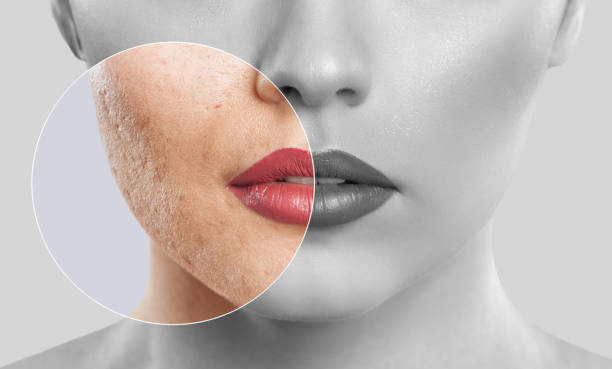
Laser acne scar treatments are among the most effective options for improving scar texture and tone, but they are not a decision to rush. Results depend on proper assessment, realistic expectations, and a clear understanding of what treatment involves. Laser Acne Scar Treatments in Riyadh Patients who prepare properly and choose qualified providers achieve far better outcomes than those who focus only on the promised result. covers what patients should know first before undergoing laser acne scar treatments.
Understanding What Laser Treatment Can Achieve
Laser treatments improve scars by breaking down damaged tissue and stimulating collagen production. They can soften indented scars, smooth raised tissue, reduce redness, and fade brown marks. They cannot, however, eliminate scars entirely or restore skin to a pre-acne state. Results are measured in degrees of improvement rather than perfection. For anyone considering Laser Acne Scar Treatments in Riyadh, understanding this distinction is the foundation of realistic expectations.
Identifying Your Scar Type
Not all scars respond to the same treatment. Ice pick scars are narrow and deep, often requiring fractional ablative lasers or TCA CROSS. Boxcar scars respond to resurfacing. Rolling scars may need subcision before laser treatment. Hypertrophic scars often require vascular lasers or steroid injections. Patients searching for acne scar treatment in riyadh should have their scar type assessed before choosing a treatment approach.
Assessing Skin Tone and Laser Suitability
Skin tone significantly influences laser selection. Lighter skin tones tolerate a broader range of technologies, including ablative lasers. Darker skin tones require specific devices such as Nd:YAG or certain fractional non-ablative lasers to avoid post-inflammatory hyperpigmentation. Choosing the wrong laser for your skin type increases complication risk. Consultation ensures the chosen technology is safe and effective for your skin.
Confirming Active Acne Is Controlled
Laser treatment should not be performed on active, inflamed acne. Treating scars while breakouts are ongoing can worsen inflammation, spread infection, and compromise results. Patients should achieve a period of clear or well-controlled skin before beginning laser therapy. Your provider may recommend acne treatment first, then reassess for laser candidacy.
Understanding the Commitment Required
A single laser session rarely produces dramatic results. Most patients require three to six sessions spaced several weeks apart. Each session builds on the previous one, and collagen remodeling continues between visits. Planning for a treatment series rather than a one-time appointment prevents disappointment and allows proper scheduling.
Preparing for Downtime
Downtime varies by laser type. Ablative treatments may require seven to ten days of healing, with redness, peeling, and sensitivity. Non-ablative treatments involve a day or two of redness. Fractional lasers fall between. Patients should consider their work and social commitments when choosing a treatment approach. Proper aftercare accelerates healing and protects results.
Committing to Sun Protection
Treated skin is highly vulnerable to ultraviolet damage. Sun exposure after laser treatment can cause hyperpigmentation that undermines results. Patients must commit to strict sun protection, including daily sunscreen, hats, and avoiding peak sun hours. This commitment continues for weeks after treatment and ideally becomes a lifelong habit.
Reviewing Medications and Supplements
Certain medications and supplements increase bleeding, bruising, or photosensitivity. Blood thinners, aspirin, ibuprofen, and herbal supplements like ginkgo and high-dose vitamin E should be paused with medical approval. Some acne medications, including isotretinoin, require specific timelines. Disclose all medications during consultation so your provider can advise appropriately.
Understanding Aftercare Requirements
Aftercare is essential for safety and results. Gentle cleansing, moisturizing, and strict sun protection are required. Harsh actives must be avoided until healing completes. Do not pick or scratch treated areas. Avoid hot tubs, saunas, and swimming pools during healing. Attend follow-up appointments so your provider can assess progress and adjust the plan.
Recognizing Possible Side Effects
Common side effects include redness, swelling, and temporary pigment changes. Rare complications include infection, prolonged pigmentation, or scarring. Choosing an experienced provider and following aftercare instructions significantly reduces these risks. Patients should discuss potential side effects and how they are managed during consultation.
Choosing a Qualified Provider
Provider skill determines both safety and effectiveness. Different lasers require different training, and matching technology to skin type and scar pattern demands experience. Ask about your provider's experience with your specific scar type and skin tone. Review before-and-after images of similar patients.
Book an Appointment Consultation Clinic
For those seeking expert guidance and customized aesthetic care, you can book an appointment consultation at the Enfield Royal Riyadh. Their team performs thorough assessments and designs personalized laser plans for safe, effective results.
FAQs
What should I know before laser acne scar treatment?
Scar type, skin tone, downtime, session requirements, aftercare, and realistic expectations are key factors.
Can I have laser treatment with active acne?
No, active acne should be controlled first to avoid worsening inflammation and compromising results.
How many sessions will I need?
Most patients require three to six sessions, depending on scar severity and laser type.
Is laser treatment safe for all skin tones?
Yes, with appropriate laser selection; darker skin requires specific technologies for safety.
Is acne scar treatment in riyadh preceded by thorough assessment?
Quality providers evaluate scar type, skin tone, and medical history before recommending treatment.
Conclusion
Before undergoing laser acne scar treatments, patients should understand their scar type, skin tone, downtime, session requirements, aftercare obligations, and realistic expectations. Provider expertise, sun protection, and commitment to a treatment series all influence outcomes. If you are considering Laser Acne Scar Treatments in Riyadh, consult a qualified provider who assesses your skin thoroughly and explains every step. Informed preparation leads to safer, more satisfying results.


Share this page with your family and friends.