




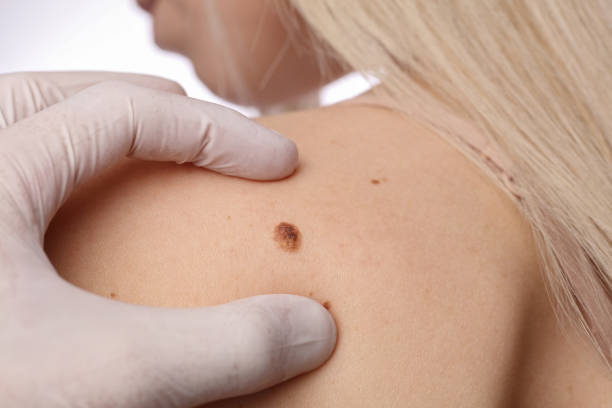
Mole removal is one of the most common dermatological procedures, yet patients often have questions about what it involves, what could go wrong, and what results to expect. Mole Removal in Riyadh Understanding the risks, benefits, and treatment outcomes helps you make an informed decision and approach the procedure with confidence. explains each of these aspects clearly.
Why Mole Removal Is Performed
Moles are removed for two main reasons: medical and cosmetic. Medical removal addresses moles that are suspicious for skin cancer or cause symptoms such as bleeding, itching, or irritation. Cosmetic removal addresses moles that are benign but bothersome due to their appearance or location. Even cosmetic removal should begin with professional assessment, since some moles that appear harmless may have concerning features. For anyone considering Mole Removal in Riyadh, understanding this distinction is essential.
The Benefits of Mole Removal
Mole removal offers several benefits. Medical removal can detect skin cancer early, when treatment is most effective. It can also prevent suspicious moles from progressing. Cosmetic removal improves appearance and confidence, particularly for moles on the face, neck, or hands. Removing irritating moles eliminates friction and discomfort from clothing, shaving, or jewelry. Many patients report feeling relieved and more comfortable in their skin after removal.
Types of Removal Methods
Several methods exist for mole removal. Surgical excision removes the mole with a scalpel and allows laboratory analysis. Shave removal removes raised moles flush with the skin. Laser removal breaks down pigment cells with concentrated light. Cryotherapy freezes the mole with liquid nitrogen. Electrocautery burns the mole away with electric current. The method chosen depends on the mole's characteristics, location, and whether testing is needed.
Risks and Possible Complications
Mole removal is generally safe, but risks exist. These include infection, bleeding, and poor wound healing. Scarring is possible with any method, though modern techniques minimize it. Some moles may regrow if not completely removed. Darker skin tones may develop hyperpigmentation. Rarely, damage to surrounding structures can occur. Choosing a qualified provider and following aftercare instructions significantly reduces these risks.
Understanding Treatment Outcomes
Outcomes vary by method and individual healing. Surgical excision typically leaves a thin scar that fades over six to twelve months. Shave removal may leave a slight indentation or lighter mark. Laser removal typically leaves minimal scarring but may cause temporary darkening. Complete removal reduces the risk of regrowth. Patients researching mole removal near me should discuss expected outcomes with their provider during consultation.
Factors That Affect Outcomes
Several factors influence how mole removal turns out. The mole's size, depth, and location affect scarring and healing. Skin type influences pigmentation risk. Age affects healing speed. Sun exposure during healing can darken the site. Following aftercare instructions improves outcomes. Provider skill determines both completeness of removal and scar quality. Patients should optimize controllable factors for the best possible result.
The Importance of Laboratory Analysis
When a mole is removed for medical reasons, laboratory analysis is essential. The tissue is examined by a pathologist who determines whether the mole is benign, precancerous, or malignant. This information guides further treatment if needed. Cosmetic removal methods that destroy tissue do not allow analysis, so they should not be used on suspicious moles.
Preparing for Mole Removal
Preparation is straightforward. Avoid sun exposure before treatment. Inform your provider of all medications, especially blood thinners. Arrange for someone to drive you if sedation is used. Wear comfortable clothing that allows easy access to the treatment area. Follow any specific instructions provided during consultation.
Aftercare for Optimal Healing
Aftercare is essential for optimal healing. Keep the wound clean and covered. Avoid picking at scabs. Protect the area from sun exposure. Avoid strenuous activity that could pull the treated area. Attend follow-up appointments so your provider can monitor healing and discuss results. Patients considering Mole Removal in Riyadh should follow their provider's instructions precisely.
Book an Appointment Consultation Clinic
For those seeking expert guidance and customized aesthetic care, you can book an appointment consultation at the Enfield Royal Riyadh. Their team provides thorough assessments and personalized removal plans for safe, effective results.
FAQs
What are the benefits of mole removal?
Early detection of skin cancer, relief from irritation, and improved appearance and confidence.
What are the risks of mole removal?
Infection, bleeding, scarring, incomplete removal, and pigmentation changes.
Will mole removal leave a scar?
Some scarring is possible, but modern techniques minimize it and scars fade over time.
Can moles grow back after removal?
They can if not completely removed; deeper excision reduces this risk.
Is mole removal near me safe for suspicious moles?
Yes, qualified providers use excision and laboratory analysis for suspicious moles.
Conclusion
Mole removal offers meaningful benefits, from cancer detection to improved confidence, but it also carries risks and requires realistic expectations. Understanding methods, outcomes, and aftercare helps you make informed decisions. If you are considering Mole Removal in Riyadh, choose a qualified provider who prioritizes thorough assessment and clear communication. Safe removal delivers peace of mind and clearer skin.


Share this page with your family and friends.