




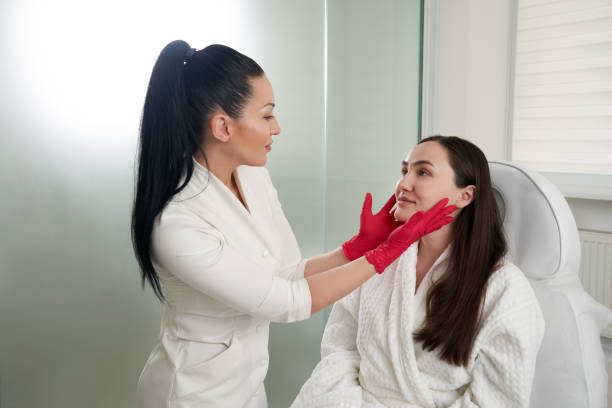
Skin redness and irritation are among the most common reasons people seek skin clinic care. Skin Clinic Riyadh They can range from mild flushing to persistent inflammation—and they can signal anything from simple irritation to chronic conditions like rosacea. Understanding the causes helps you address the root issue rather than just the symptom. explains common causes of skin redness and irritation—and when professional care is warranted.
Understanding Skin Redness
Redness occurs when blood vessels near the skin's surface dilate—increasing blood flow to the area. This is part of the inflammatory response—the body's reaction to irritation, infection, or injury. Redness can be temporary—flushing from heat or emotion—or persistent—indicating an underlying condition. The cause determines the treatment: identifying whether redness stems from barrier damage, allergies, rosacea, or another condition is essential for effective care.
Cause One: Barrier Damage and Irritation
Barrier damage is one of the most common causes of redness and irritation. When the skin barrier is compromised—through over-exfoliation, harsh products, or environmental stress—irritants penetrate more easily, triggering inflammation. Signs include redness, stinging, tightness, and sensitivity. The fix: simplify your routine, stop actives, use gentle barrier-supporting products, and allow time for recovery. Barrier damage is reversible with patience—but it requires stopping the habits that caused it.
Cause Two: Contact Dermatitis
Contact dermatitis occurs when skin reacts to substances it touches. Irritant contact dermatitis results from direct damage—harsh soaps, detergents, or chemicals. Allergic contact dermatitis involves an immune response—to fragrances, preservatives, metals, or other allergens. Both cause redness, itching, and sometimes rash. Identifying and avoiding the trigger is essential—patch testing can help pinpoint allergens. Professional assessment is valuable when the cause isn't obvious.
Cause Three: Rosacea
Rosacea is a chronic inflammatory condition causing facial redness, flushing, visible blood vessels, and sometimes papules or pustules. It's triggered by heat, sun, spicy foods, alcohol, and stress. Rosacea requires professional management—including trigger avoidance, gentle skincare, and sometimes prescription treatments or laser therapy. If you experience persistent facial redness with flushing or visible vessels, professional assessment is warranted—self-treating rosacea often worsens it.
Cause Four: Allergic Reactions
Allergic reactions can cause redness, itching, hives, and swelling. Reactions may be to foods, medications, skincare products, or environmental allergens. Mild reactions may resolve with antihistamines and trigger avoidance; severe reactions—with breathing difficulty or facial swelling—require emergency care. If you experience recurrent allergic reactions, professional evaluation—including allergy testing—can identify triggers and guide management.
Cause Five: Eczema and Psoriasis
Eczema and psoriasis are chronic inflammatory conditions that cause redness, scaling, and irritation. Eczema typically causes dry, itchy, inflamed patches; psoriasis causes thick, scaly plaques. Both require professional management—prescription topicals, phototherapy, or systemic treatments. If you suspect eczema or psoriasis, professional assessment is essential—self-treating chronic conditions often leads to poor control and flares.
Cause Six: Infections
Skin infections—bacterial, fungal, or viral—can cause redness and irritation. Cellulitis causes spreading redness, warmth, and tenderness; fungal infections cause red, scaly patches; viral infections may cause redness with blisters or rash. Infections require specific treatments—antibiotics, antifungals, or antivirals. If redness is accompanied by warmth, pain, fever, or rapid spreading, seek prompt medical care—infections can worsen quickly.
Cause Seven: Environmental and Lifestyle Factors
Environmental factors—sun exposure, wind, cold, pollution—can cause redness and irritation. Lifestyle factors—stress, alcohol, spicy foods, hot showers—can trigger flushing and worsen redness. Identifying and addressing these triggers supports skin calm. Sun protection is essential—UV exposure worsens redness and triggers rosacea flares. Gentle skincare and trigger avoidance reduce irritation.
When to Seek Skin Clinic Care
Seek professional care if redness: persists beyond two weeks; is accompanied by pain, warmth, swelling, or fever; spreads rapidly; is associated with visible blood vessels or flushing; doesn't respond to gentle skincare; or affects your quality of life. These signs warrant assessment—early diagnosis prevents complications and provides relief. Don't self-treat persistent redness—professional guidance ensures appropriate care.
What to Expect at a Skin Clinic
A skin clinic assessment includes: medical history—onset, triggers, and associated symptoms; physical examination—assessing redness pattern, distribution, and characteristics; possible testing—patch tests for allergies, scrapings for infections; and diagnosis with treatment recommendations. Treatment may include prescription topicals, oral medications, laser therapy for visible vessels, or lifestyle guidance. Personalized care addresses the specific cause.
Questions to Ask During Consultation
Ask: What's causing my redness? Do I need testing? What treatments do you recommend? What triggers should I avoid? How long before I see improvement? A provider who answers specifically—referencing your skin—helps you understand and address the cause.
When to Seek Professional Guidance
If you're experiencing persistent redness or irritation, professional guidance can help. A skin clinic can diagnose the cause and recommend appropriate treatment. For personalized guidance on skin redness, a consultation with qualified professionals offers clarity and relief.
Final Thoughts: Identify the Cause, Find Calm
Skin redness and irritation have many causes—barrier damage, contact dermatitis, rosacea, allergies, eczema, infections, and environmental factors. Identifying the cause determines the treatment. While mild irritation may respond to gentle care, persistent redness warrants professional assessment. With the right diagnosis and care, skin can calm—and comfort can return.
Book an Appointment Consultation Clinic
For those seeking expert guidance and customized aesthetic care, you can book an appointment consultation at the Enfield Royal Riyadh.
FAQs
What causes skin redness and irritation?
Barrier damage, contact dermatitis, rosacea, allergies, eczema, infections, and environmental triggers.
When should I see a skin clinic for redness?
If redness persists beyond two weeks, is painful, spreads, or doesn't respond to gentle skincare.
How does a skin clinic diagnose redness?
Through medical history, physical examination, patch testing, and sometimes skin scrapings or biopsy.
Can redness be treated?
Yes—treatment depends on the cause: gentle skincare for barrier damage, prescription topicals for rosacea, antibiotics for infections, and trigger avoidance.
Is redness a sign of something serious?
Usually not—but redness with warmth, pain, fever, or rapid spreading may indicate infection requiring prompt care.


Share this page with your family and friends.