Search in Classifieds
Search in Groups
Search in Polls
Search in Members
Search in Members
Search in News
Search in Polls
Search in Businesses
Search in Contests
Search in Events
Search in Music Albums
Search in Music Songs
Search in Quotes
Search in Site Team
Search in Jobs
Search in Products
Search in Products
6 minutes, 58 seconds
-72 Views 0 Comments 0 Likes 0 Reviews
Intimate hygiene is an important part of personal care, but the vagina does not need the same type of cleansing as the rest of the body. Many products marketed as vaginal wash are actually designed for the external genital area, known as the vulva. Understanding this distinction can help women make informed choices about intimate-care products and avoid unnecessary irritation.
Healthy intimate care is generally about keeping the external area clean and comfortable while allowing the vagina to maintain its natural balance. A simple, gentle routine is often more appropriate than using heavily fragranced or aggressive cleansing products.
The term vaginal wash is commonly used for liquid or gel-based products marketed for intimate hygiene. However, products intended for external use should be applied only to the vulva unless the product is specifically designed and medically recommended for internal use.
The vagina is a self-cleaning organ. Its natural secretions help remove cells and maintain an appropriate environment. Because of this natural process, routinely washing inside the vagina is generally unnecessary.
Knowing the difference is essential for intimate hygiene.
The vagina is the internal muscular canal, while the vulva refers to the external genital structures, including the labia and surrounding skin. Most intimate washes available commercially are intended for the external vulvar area.
Using a product incorrectly or introducing cleansing products into the vagina may disturb its natural environment.
If we choose to use an intimate cleansing product, the ingredients and formulation deserve attention. The vulvar area can be sensitive, so a gentle product is preferable.
A mild cleanser designed specifically for external intimate skin may be more suitable than conventional body washes. Products with strong fragrances, harsh cleansing agents, or unnecessary additives may cause irritation for some people.
A fragrance-free or lightly formulated option can be worth considering, particularly for people with sensitive skin.
More washing does not necessarily mean better hygiene. Excessive cleansing can remove natural oils from the skin and potentially contribute to dryness or irritation.
For everyday care, gently washing the external area with lukewarm water may be sufficient for many women. If a cleanser is used, it should be applied externally and rinsed thoroughly according to its directions.
Every vagina has a natural scent, and changes throughout the menstrual cycle can be normal. A strong or unusual odor accompanied by symptoms such as itching, burning, unusual discharge, pain, or irritation may require medical attention.
A vagina wash should not be used to mask persistent symptoms.
Symptoms can have different causes, including infections or skin conditions, and choosing a cleansing product cannot diagnose or treat the underlying issue. If unusual symptoms persist, consulting a qualified healthcare professional is a safer approach than repeatedly changing intimate-care products.
Pregnancy, recurrent infections, unexplained bleeding, significant pain, or persistent irritation are additional reasons to seek professional advice.
The vagina naturally maintains an acidic environment supported by beneficial microorganisms. This environment plays an important role in vaginal health.
Using unsuitable products internally can interfere with this natural balance. This is why intimate hygiene should focus on gentle external cleansing rather than attempting to make the vagina completely free of natural bacteria or odor.
It is also important to remember that a product claiming to "restore pH" or provide freshness does not necessarily make it appropriate for internal use.
Good intimate hygiene does not require a complicated routine. Simple habits can support comfort and cleanliness.
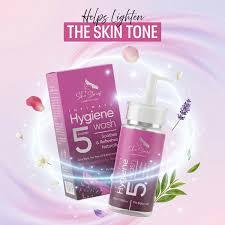
Skin Stories offers skincare and personal-care products for customers in Pakistan. When considering an intimate-care product, it is important to read the label carefully and confirm whether it is intended for external vulvar use.
No intimate wash should replace professional medical care when symptoms suggest an infection or another health concern.
A vaginal wash can be part of an external intimate-care routine when it is appropriately formulated and used correctly, but the vagina itself generally does not require internal cleansing. Understanding the difference between the vagina and vulva helps women choose products more responsibly and avoid unnecessary irritation.
The healthiest approach is usually simple: keep the external area clean, avoid harsh or heavily fragranced products, do not douche or wash internally, and pay attention to changes in odor, discharge, itching, or discomfort. When symptoms are unusual or persistent, professional medical advice is more appropriate than relying on an intimate wash.
Thoughtful product selection and a gentle daily routine can support intimate comfort while respecting the body's natural balance.
We are a close community to help to meet and greet new people.
We are a secure community with 5000+ active members who help you with your queries, post new updates and grow your network.

Share this page with your family and friends.