Search in Classifieds
Search in Groups
Search in Polls
Search in Members
Search in Members
Search in News
Search in Polls
Search in Businesses
Search in Contests
Search in Events
Search in Music Albums
Search in Music Songs
Search in Quotes
Search in Site Team
Search in Jobs
Search in Products
Search in Products
To continue using the site you need to read the revised version and agree to the policies
7 minutes, 8 seconds
-31 Views 0 Comments 0 Likes 0 Reviews
Welding plays an important role in modern construction, manufacturing, and metalworking. Many industries depend on metal components that are designed, shaped, and joined to meet specific project requirements. Welding fabrication combines metal cutting, bending, shaping, and welding to create finished structures and components from raw materials. These processes help produce everything from small brackets and frames to large industrial assemblies. Understanding how fabrication works can help property owners, contractors, and manufacturers choose suitable metal solutions for different applications.
The fabrication process begins with planning and designing the required metal component. Measurements, drawings, material specifications, and structural requirements guide the work before production starts. Welding fabrication involves transforming raw metal sheets, plates, pipes, or structural sections into useful products through several connected steps. Each stage must follow the design carefully to achieve the correct dimensions and strength. Proper preparation also helps reduce material waste, avoid production errors, and maintain consistent results throughout the project.
Material selection affects the strength, durability, weight, and performance of a finished structure. Steel is commonly used because it offers excellent strength and works well for many structural applications. Stainless steel is suitable for environments where corrosion resistance is important, while aluminum provides a lightweight option for projects that require reduced weight. Welding fabrication in Stafford specialists consider the intended application, environmental conditions, load requirements, and material thickness before choosing suitable metals. Selecting the right material helps improve service life and reduces the need for frequent repairs.
Before welding begins, metal pieces must be cut and shaped according to the project design. Cutting methods may include saw cutting, plasma cutting, laser cutting, or other techniques depending on material thickness and required accuracy. Bending and forming processes create the desired angles, curves, and shapes. Welding fabrication requires accurate preparation because poorly fitted components can create gaps, alignment problems, and weak joints. Clean edges and correctly positioned pieces help welders produce stronger connections and maintain the intended dimensions of the finished product.
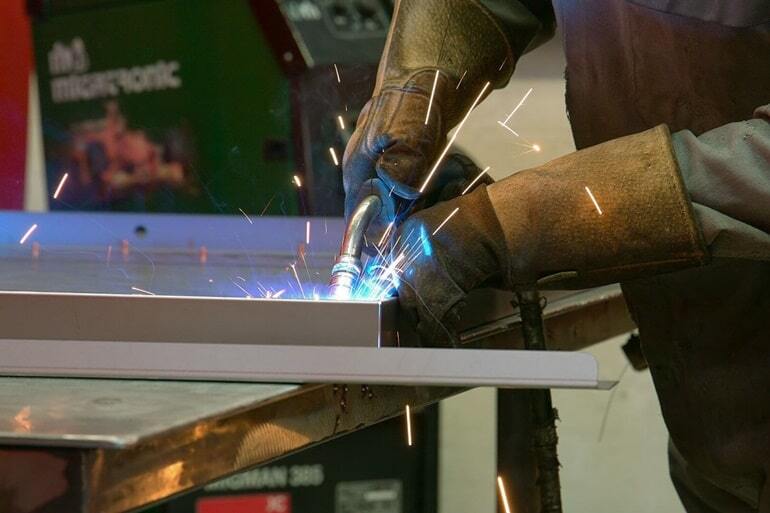
Welding joins separate metal pieces by applying heat and, when needed, filler material to create a permanent connection. Different welding methods are used depending on the material, thickness, location, and production requirements. MIG welding is common in many fabrication projects, while TIG welding offers greater control for certain materials and detailed work. Welding fabrication depends on suitable welding techniques, proper joint preparation, and controlled heat application. Strong welds help components remain connected under normal operating conditions and support the overall performance of the finished assembly.
Many construction and industrial projects require metal components that cannot be purchased in standard sizes or shapes. Custom fabrication allows these parts to be designed around specific measurements and functional requirements. Welding fabrication can produce stair railings, gates, equipment frames, support brackets, platforms, machine bases, and structural assemblies. Custom designs also make it possible to accommodate unusual layouts or special installation conditions. Accurate measurements and clear project specifications help ensure that fabricated components fit properly and perform their intended functions after installation.
Metal fabrication supports a wide range of commercial, residential, and industrial activities. Construction projects often use fabricated steel beams, columns, handrails, stairs, and support structures. Manufacturing facilities depend on metal frames, machine components, equipment guards, and production assemblies. Welding fabrication also contributes to agricultural equipment, transportation systems, storage facilities, and maintenance operations. These applications demonstrate how fabricated metal products help businesses build, operate, and maintain different types of equipment and infrastructure.
After fabrication and welding are complete, metal components may require finishing to improve appearance and protect against environmental damage. Grinding removes rough edges and helps smooth welded areas, while polishing creates a cleaner surface on certain materials. Protective coatings, painting, galvanizing, and other treatments can reduce corrosion and extend the useful life of metal structures. Welding fabrication projects often include finishing requirements based on where the product will be installed. Outdoor structures may need stronger protection against moisture, temperature changes, and exposure to the elements.
Quality checks help confirm that fabricated components meet the required specifications. Measurements, visual inspections, weld examinations, and alignment checks can identify problems before products reach the installation stage. Welding fabrication also requires careful attention to workplace safety because cutting equipment, hot metal, sparks, and welding fumes can create hazards. Protective clothing, proper ventilation, equipment maintenance, and safe handling procedures reduce the risk of accidents. Following appropriate safety practices helps protect workers while supporting consistent production quality.
A successful fabrication project depends on clear planning, suitable materials, accurate measurements, and skilled workmanship. Project owners should consider the intended use, required dimensions, load conditions, finishing needs, and installation requirements before production begins. Welding fabrication offers flexibility for creating metal products that match specific design and performance goals. Understanding the process makes it easier to evaluate project requirements, communicate expectations, and avoid unnecessary changes during production. With careful preparation and proper quality checks, fabricated metal components can provide practical solutions for construction, manufacturing, and many other applications.
As a Free User, you can earn Credits and try out all the features before upgrading to the next level.
We are a secure community with about 9620+ active members who help you with your queries, post new updates and grow your network.

Share this page with your family and friends.