An automatic welding filter needs to recognize the sudden light produced by an arc before it changes from a clear viewing state to a darker shade. This detection depends on photo-sensitive components positioned around the filter area, while the electronic circuit interprets the signal and controls the liquid crystal layer. An auto dimming helmet therefore relies on a combination of sensor coverage, optical design, electronic control, and operating conditions rather than one isolated component. Welding-helmet systems can use different sensor arrangements according to the intended application, but how does sensor quantity influence the actual behavior of a welding helmet?
Sensor quantity mainly affects the opportunity for the filter to detect an arc from different directions. A sensor works as a light detection point, monitoring changes in illumination and sending a signal when the welding arc reaches the required detection condition. With a single detection point, the available viewing angle for arc recognition can be relatively limited. When additional sensing points are placed across the filter housing, the system can monitor a wider area and maintain detection when the operator changes position.
The placement of these sensors is just as important as their quantity. Sensors positioned with suitable spacing can provide overlapping detection areas, which can be useful when the arc is not directly centered in front of the filter. During pipe work, corner welding, overhead operations, or confined fabrication areas, the operator may need to approach the joint from an unusual angle. In such situations, the workpiece, torch, hand, or surrounding structure can partially block one detection point. A distributed sensor layout gives the electronic system additional opportunities to receive the light signal. RLINGD's published filter specifications include models with both two and four arc sensors, showing that different sensor configurations can be used across product designs.
This does not mean that simply adding sensors automatically creates the desired operating result. A sensor still needs a suitable position, appropriate sensitivity, reliable electronic processing, and a clear optical path. If several sensors are placed too close together or positioned without considering common welding angles, the additional components may not provide the expected practical advantage. Engineering decisions therefore involve the relationship between sensor location, lens structure, helmet shape, viewing area, and the environments in which the equipment will be used.
Welding position provides a useful example. Imagine a welder working on a joint located behind a narrow structural section. The head may need to turn while the torch approaches the joint from the side. In this position, the arc may no longer appear directly in front of every sensor. A sensor that has been blocked by the workpiece cannot contribute to arc detection at that moment. Another sensor with a clearer optical path may still recognize the light change, allowing the control circuit to activate the filter.
Low-current welding can make sensor design even more significant. A weaker arc produces a less intense optical signal than a powerful welding arc, so detection conditions can become less distinct, especially under strong ambient lighting. RLINGD's technical material explains that low-current applications can present a sensor sensitivity challenge and identifies sensor quality, sensor quantity, sensitivity settings, and workplace lighting as factors affecting triggering behavior.
Sensitivity control works closely with the sensor arrangement. If the sensitivity is too low, a weaker arc may not produce a sufficiently strong trigger signal. If it is set excessively high, nearby welding activity or intense environmental lighting may cause unwanted activation. The suitable setting depends on the welding process, arc characteristics, and surrounding illumination. Sensor quantity can provide additional detection coverage, but sensitivity determines how the electronic system interprets the light reaching those sensing points.
Environmental conditions also deserve attention. Outdoor welding can involve strong daylight, while indoor fabrication areas may contain bright lamps, reflective metal surfaces, or nearby welding operations. These sources can change the background illumination around the filter. A well-designed sensing system needs to distinguish the intended welding arc from unrelated light changes. Sensor distribution can assist with coverage, but it does not remove the need for correct sensitivity adjustment and appropriate operating practices.
The condition of the sensor surface matters as well. Dust, smoke residue, grinding particles, and other workshop contamination can gradually cover the sensor area. When light reaching a sensor is reduced or distorted, the detection process may not behave as expected. RLINGD's maintenance guidance recommends keeping sensor areas clean and checking the equipment before use because sensor condition is connected with the response of an auto-darkening system.
The lens design must also work together with the sensor system. The filter contains several optical and electronic layers, with the liquid crystal section changing its state after the control circuit receives the trigger signal. The sensors are therefore only the beginning of the response chain. Detection, signal processing, filter activation, shade control, and optical transmission all need to operate as a coordinated system. A helmet with a carefully designed sensor layout still requires suitable filter construction to provide consistent viewing characteristics.
For buyers, this means sensor quantity should be considered alongside the type of welding work. A workshop focused on straightforward welding positions may have different requirements from a fabricator working around pipes, frames, corners, or restricted joints. The frequency of position changes, arc visibility, current range, workplace lighting, and required viewing area can all influence the relevance of sensor coverage.
The relationship between sensor quantity and response should also be understood carefully. A larger number of sensing points can increase the number of locations from which the system can receive an arc signal, but reaction speed is influenced by other elements as well. Sensor sensitivity, circuit design, filter construction, power condition, and the strength of the arc all participate in the response process. RLINGD publishes switching specifications for its filter range alongside sensor configurations, illustrating that sensor count and switching performance are separate product characteristics that should be assessed together.
Quality inspection is another important consideration for manufacturers. Sensor alignment, electrical connections, filter switching, sensitivity adjustment, shade control, battery operation, and optical consistency can all be checked during production. A sensor system should not only contain the intended number of components but also maintain stable operation after assembly. Inspection procedures help identify problems that may not be visible from an external appearance check.
For distributors and purchasing teams, technical specifications can provide a useful starting point, but application conditions remain essential. A product intended for general fabrication may be evaluated differently from one intended for precision welding, maintenance work, or difficult access positions. Reviewing sensor quantity together with sensor placement, sensitivity adjustment, shade range, viewing area, power source, and operating temperature can create a clearer picture of how a filter may fit a particular task.
Regular testing also deserves a place in equipment management. The sensor system should be checked according to the manufacturer's instructions, especially when the helmet has been exposed to dust, impact, heavy workshop use, or unusual operating conditions. RLINGD's published testing guidance recommends examining sensors, lens behavior, shade control, and battery condition rather than focusing on one feature alone.
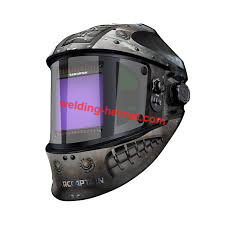
For businesses researching welding protection products, the practical question is not simply how many sensors a helmet contains, but how the complete sensing system matches the intended welding environment. Product information available through https://www.welding-helmet.com/product can help buyers review different filter configurations, sensor arrangements, optical specifications, and welding applications while considering which Auto Dimming Helmet design fits their working conditions.


 Search in Classifieds
 Search in Groups
 Search in Polls
 Search in Members
 Search in Members
 Search in News
 Search in Businesses
 Search in Contests
 Search in Events
 Search in Music Albums
 Search in Music Songs
 Search in Quotes
 Search in Site Team







 Loading ...


Share this page with your family and friends.