


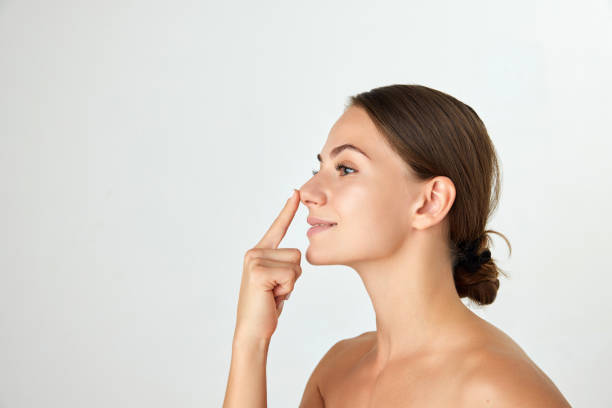
For many patients, glasses are not a lifestyle choice—they are essential for work, driving, reading, and daily functioning. So when a non-surgical nose job is planned, one of the first practical questions is often: can I still wear my glasses? The answer requires some care. Non Surgical Nose Job in Riyadh(تجميل الأنف غير الجراحي في الرياض) The nose is where glasses rest, and the bridge is often a treated area. Pressure on freshly injected filler can affect placement, and while the risks are lower than after surgery, they are not zero. Understanding Non Surgical Nose Job in Riyadh properly means understanding how to manage glasses during the days after treatment.
Why Glasses Pose a Consideration
Pressure on the Treated Area
Glasses rest directly on the nasal bridge, which is one of the most commonly treated areas. Pressure during the first hours or days can theoretically affect filler placement.
Filler Needs Time to Settle
While hyaluronic acid filler integrates relatively quickly, the first 24 to 48 hours are important for it to settle into position.
Swelling and Sensitivity
The treated area may be swollen and tender, making glasses uncomfortable.
Indentation Risk
Sustained pressure could create temporary indentation in the treated area.
Why This Matters
Anyone researching Non Surgical Nose Job in Riyadh should plan how to manage glasses during recovery.
The General Timeline for Wearing Glasses
The First 24 Hours
Avoid wearing glasses that rest on the bridge. This is the most critical period for filler settling.
Days Two to Seven
Most providers advise continuing to avoid direct pressure on the bridge. Alternatives should be used.
After One Week
Many providers permit glasses to rest on the bridge once the filler has settled, though this varies.
Individual Variation
Timing depends on the volume injected, the areas treated, and your provider's specific guidance.
Why This Matters
There is no universal answer. A Best Non Surgical Nose Job provider in Riyadh will advise based on your treatment.
Alternatives While You Cannot Wear Glasses
Tape Glasses to Your Forehead
A common approach is to tape glasses to your forehead so they do not rest on the bridge.
Use a Glasses Support Device
Specialised devices hold glasses off the nose, resting on the cheeks or forehead instead.
Switch to Contact Lenses
If you tolerate contact lenses, this is often the simplest solution during early recovery.
Wear Sunglasses Carefully
Sunglasses carry the same pressure risk. If permitted, they should be propped off the bridge.
Adjust the Fit
Having glasses adjusted so they rest higher or lower may reduce bridge pressure, though this should only be done with your provider's approval.
Why This Matters
Practical alternatives allow you to see clearly without compromising healing.
Contact Lenses: An Alternative Worth Considering
When They Are Permitted
Most providers permit contact lenses during recovery, provided you can handle them without touching the nose.
Hygiene Matters
Wash your hands thoroughly before handling lenses.
Avoid if Eyes Are Irritated
If your eyes are dry, irritated, or swollen after treatment, contact lenses may be uncomfortable.
Have a Backup
Keep glasses available in case lenses become uncomfortable.
Why This Matters
Contact lenses offer a practical solution during the period when glasses are restricted.
Protecting Your Nose When Glasses Are Permitted
Use Lightweight Frames
Heavy frames place more pressure on the bridge.
Prop Them Off the Bridge
Even when permitted, propping glasses slightly off the bridge reduces pressure.
Limit Wear Time
Short periods are safer than all-day wear during early recovery.
Avoid Tight Frames
Frames that pinch or press should be adjusted.
Check With Your Provider
Confirm before resuming normal wear.
Why This Matters
Even after clearance, careful habits protect your result.
What Happens If Glasses Are Worn Too Soon
Indentation
A temporary dent can form where glasses rest.
Filler Displacement
Pressure could theoretically affect filler placement, though this is uncommon with hyaluronic acid fillers.
Increased Swelling
Pressure can worsen swelling and prolong recovery.
Discomfort
The treated area may be tender, making glasses uncomfortable.
Why This Matters
The consequences of early wear are genuine and largely preventable. Anyone exploring Non-surgical nose correction should plan ahead.
Other Pressure Sources to Avoid
Sunglasses
Same pressure risk as prescription glasses.
Masks With Tight Nose Wires
Adjust masks so they do not press on the bridge.
Face Shields and Helmets
Ensure these do not rest on the nose.
Sleep Position
Sleeping face-down or on your side can pressure the nose. Sleep on your back with your head elevated.
Resting Your Head on Your Hands
This common habit places pressure on the nose and should be avoided.
Why This Matters
Pressure comes from many sources, not just glasses.
When to Contact Your Provider
Indentation Appears
If you notice a dent or asymmetry, contact your provider promptly.
Pain From Pressure
Any pain related to glasses or masks should be assessed.
Swelling Worsens
Increased swelling after wearing glasses warrants attention.
Skin Discolouration
White, mottled, or dusky skin discolouration may indicate vascular compromise and requires emergency care.
Vision Changes
Any change in vision requires urgent medical attention.
Why This Matters
Early communication resolves most concerns quickly.
Preparing for Recovery in Advance
Arrange Contact Lenses
If you wear them, ensure you have a supply before treatment.
Prepare a Glasses Support Device
These are inexpensive and widely available.
Adjust Your Mask Collection
Choose masks that do not press on the bridge.
Arrange Transport
If you cannot drive without glasses, arrange alternative transport initially.
Plan for Screen Time
If you need glasses for screens, adjust your workspace to reduce strain.
Why This Matters
Preparation makes the glasses restriction far easier to manage.
Questions to Ask Your Provider
When Can I Wear Glasses Again?
Ask for a specific timeframe based on your treatment.
Can I Tape Them to My Forehead?
This is often permitted and is a practical solution.
Are Contact Lenses Allowed?
Most providers permit them, provided you can handle them safely.
What About Sunglasses?
Same restrictions apply.
What If I Notice an Indentation?
Contact your provider promptly for assessment.
Why This Matters
Informed patients protect their results while managing practical needs.
Red Flags Regarding Glasses
No Discussion of Glasses Restrictions
If your provider does not address this, ask directly.
Vague Timelines
Specific guidance is more reliable than general advice.
Dismissing Your Concerns
If your questions are minimised, consider whether this provider will listen.
No Emergency Protocols
If your provider does not discuss vascular risk and hyaluronidase, consider alternatives.
Pressure to Resume Normal Wear Immediately
Genuine guidance prioritises healing over convenience.
Why This Matters
Recognising red flags protects your safety and outcome.
Final Thoughts: A Short Restriction, A Better Result
Glasses restrictions after a non-surgical nose job are brief—typically 24 hours to one week—but they protect the treated bridge from pressure that could affect your result. Contact lenses, tape, and support devices all provide practical alternatives. Understand Non Surgical Nose Job in Riyadh as a treatment with a short, manageable recovery, and the inconvenience becomes easy to navigate.
For those seeking expert guidance and customized aesthetic care, you can book an appointment consultation at the 'Enfield Royal Riyadh(إنفيلد رويال الرياض).
FAQs
How long after a non-surgical nose job can I wear glasses?
Most providers advise waiting 24 hours to one week before allowing glasses to rest on the bridge.
Can I tape my glasses to my forehead?
Yes, this is a common and practical solution during early recovery.
Are contact lenses allowed after nose filler?
Most providers permit contact lenses, provided you can handle them without touching the nose.
What happens if I wear glasses too soon?
Pressure can cause indentation or affect filler placement, though this is uncommon.
When should I contact my provider?
If you notice an indentation, pain from pressure, worsening swelling, skin discolouration, or vision changes.


Share this page with your family and friends.