In any professional environment, Office furniture is a core part of building a structured, efficient, and comfortable workplace. It goes beyond simple seating and tables because it directly affects employee focus, workflow speed, and overall office discipline. A properly arranged workspace helps reduce clutter, improves time management, and supports a healthier working posture for long hours.
Understanding workplace requirements is the first step in choosing the right setup. Different roles demand different configurations—some employees need private focused desks, while others work better in shared or collaborative arrangements. Selecting furniture according to job function helps improve efficiency and reduces unnecessary movement across the office.
Comfort also plays a major role in productivity. Ergonomic chairs with proper lumbar support, adjustable features, and soft cushioning help reduce fatigue during long working hours. Similarly, desks with appropriate height and sufficient surface space allow employees to work without strain or discomfort, improving daily performance.
Office furniture arrangement styles for professional interiors
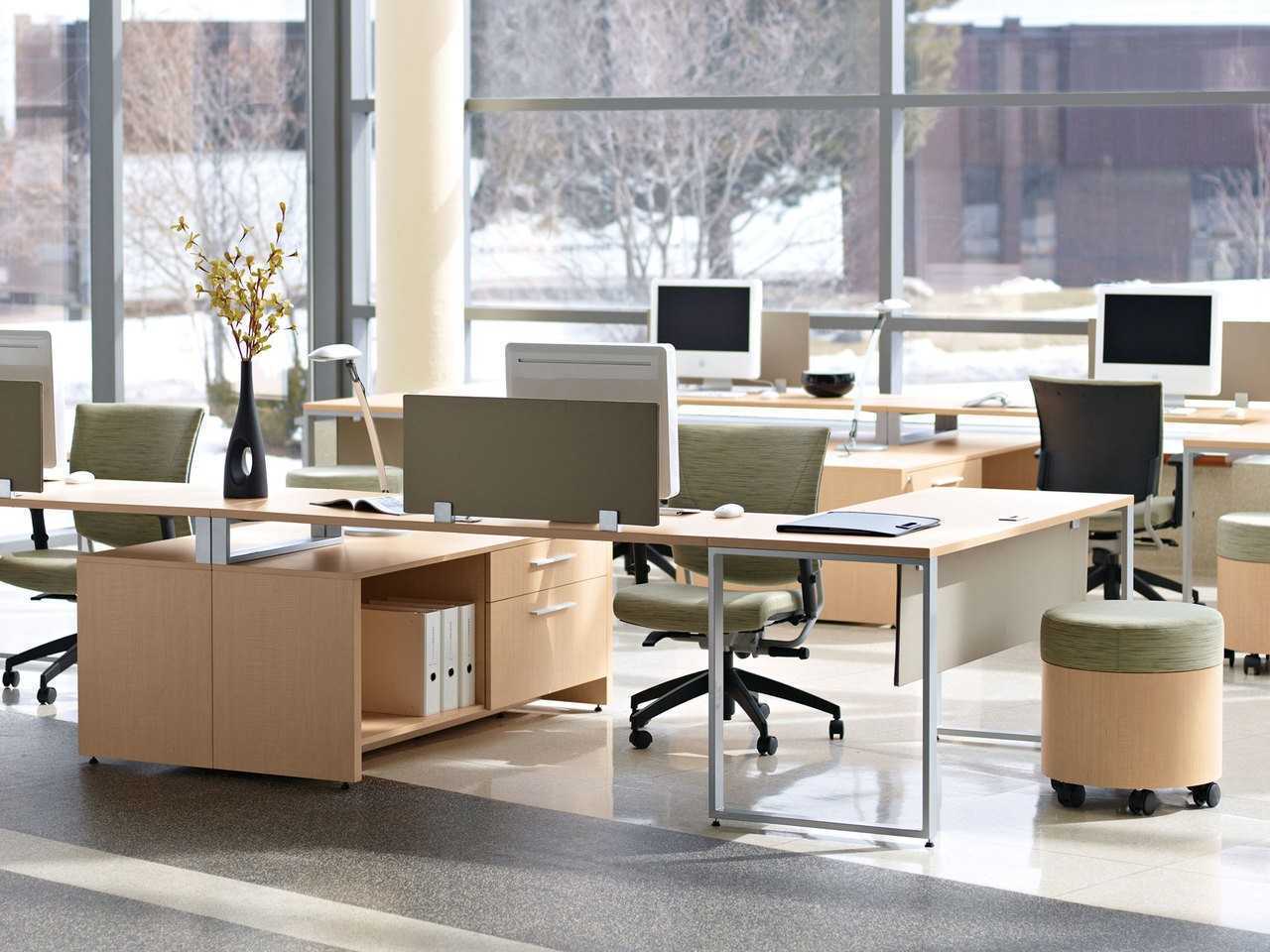
Modern workplaces are designed with flexibility in mind, and Office furniture arrangement has become an important part of office planning. Businesses today prefer layouts that support communication while still maintaining personal working zones. This balance helps teams collaborate effectively without losing focus on individual tasks.
Workstations should be positioned in a way that allows smooth movement and easy access to shared office tools like printers, files, and storage cabinets. Proper spacing between desks helps reduce distractions and creates a more organized environment. Meeting areas should be clearly separated to support discussions without disturbing other employees.
Interior styling also contributes to workplace atmosphere. Simple and clean layouts with neutral tones create a calm and professional look. Furniture placement should also align with lighting conditions to avoid shadows and screen glare, ensuring a more comfortable visual experience for employees throughout the day.
Office furniture material durability and quality selection
The strength and lifespan of Office furniture depend largely on the materials used in its construction. Choosing the right material ensures long-term usability and reduces maintenance costs over time. Common materials include engineered wood, solid wood, metal frames, and modern composite materials, each offering specific benefits for office use.
Engineered wood is widely used due to its affordability and smooth finish, making it suitable for desks and storage units. Solid wood provides a premium appearance and strong durability, often used in executive office setups. Metal structures are commonly used in chairs and table supports because they provide stability and long-lasting strength, especially in high-usage environments.
For seating comfort, mesh and foam-based materials are commonly preferred. Mesh allows airflow and keeps users comfortable during long sitting hours, while high-density foam ensures proper cushioning and support. Choosing durable materials ensures that furniture maintains both appearance and function even after years of use.
Office furniture space optimization techniques for better layout
Efficient space utilization is essential in any office, and proper Office furniture placement helps maximize available area without creating a crowded environment. A well-planned layout improves movement flow, enhances communication, and ensures every employee has enough personal working space.
Dividing the office into functional zones is a practical approach. Workstations, meeting rooms, reception areas, and relaxation zones should each have specific furniture suited to their purpose. This helps maintain order and makes daily operations more structured and efficient.
For smaller offices, compact and multi-functional furniture is a smart solution. Foldable tables, stackable chairs, and vertical storage units help save space while maintaining usability. Wall-mounted shelves and under-desk storage options also reduce floor clutter, making the environment look cleaner and more spacious.
Flexibility is also important in modern offices. As businesses grow or restructure teams, furniture should be easy to move or adjust without major effort. Modular designs help companies adapt quickly to changing workspace needs.
Office furniture care practices for long term durability
Maintaining Office furniture properly is essential for preserving its appearance, strength, and functionality over time. Regular care helps extend the lifespan of furniture and ensures the workplace always looks clean and professional.
Cleaning routines should be based on the type of material. Wooden surfaces should be cleaned gently to avoid scratches, while metal parts should be checked regularly for dust or rust. Upholstered chairs should be vacuumed to maintain hygiene and prevent dust buildup, especially in high-use areas.
Routine maintenance checks are also important. Loose screws, unstable joints, or damaged wheels should be repaired immediately to prevent further issues. Moving parts like drawers and chair mechanisms should be lubricated to ensure smooth operation and reduce wear.
Environmental conditions can also affect furniture quality. Direct sunlight may fade colors, while humidity can damage wooden surfaces. Proper placement and protective accessories such as mats or pads can help prevent long-term damage and maintain furniture condition.
Office furniture investment guide for productive work environments
Selecting the right Office furniture is a strategic decision that impacts productivity, comfort, and workplace efficiency. A well-planned investment ensures that employees can work comfortably while maintaining a professional and organized environment.
Before purchasing, it is important to evaluate office size, team structure, and daily workflow needs. This helps in selecting furniture that fits current requirements and can also support future expansion. Ergonomic design should always be prioritized to reduce health issues and improve long-term comfort.
Consistency in design creates a more unified and professional appearance. However, flexibility is equally important so that office layouts can be adjusted when needed. A balanced approach between aesthetics, comfort, and functionality ensures a productive workspace.
A well-structured office environment improves focus, teamwork, and overall business performance. For businesses aiming to build reliable and efficient workspaces, Cebu office furniture den provides practical solutions designed to meet modern office demands and long-term workplace success.


 Search in Classifieds
 Search in Groups
 Search in Polls
 Search in Members
 Search in Members
 Search in News
 Search in Businesses
 Search in Contests
 Search in Events
 Search in Music Albums
 Search in Music Songs
 Search in Quotes
 Search in Site Team



Share this page with your family and friends.