Search in Classifieds
Search in Groups
Search in Polls
Search in Members
Search in Members
Search in News
Search in Polls
Search in Businesses
Search in Contests
Search in Events
Search in Music Albums
Search in Music Songs
Search in Quotes
Search in Site Team
Search in Jobs
Search in Products
Search in Products
7 minutes, 18 seconds
-36 Views 0 Comments 0 Likes 0 Reviews
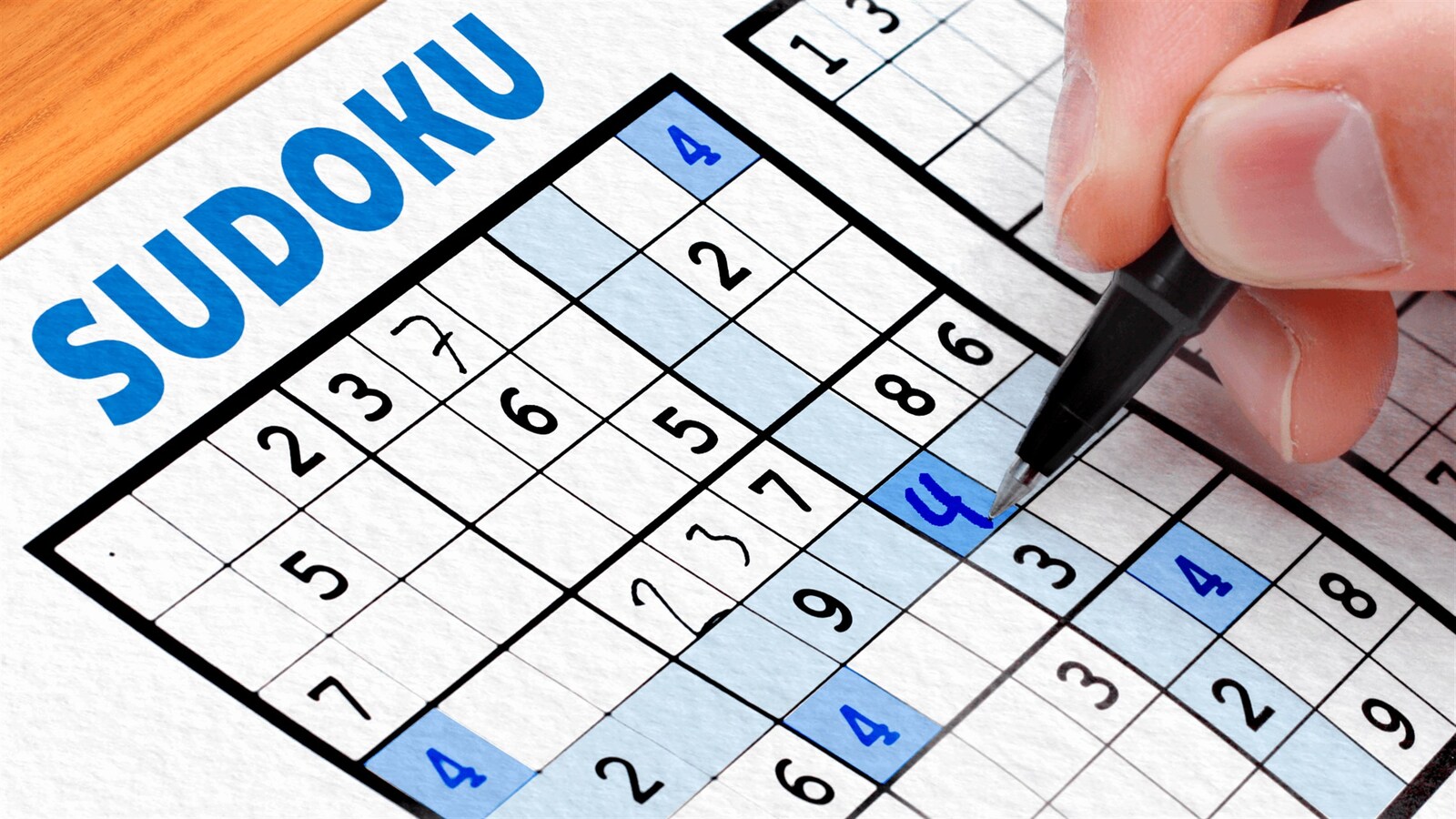
There’s a particular kind of satisfaction that comes from finishing a Sudoku puzzle. It’s not loud or dramatic like winning a video game match. There are no fireworks or celebration screens. It’s just a quiet moment where you look at the completed grid and think, “Nice… that worked.”
But that small feeling of accomplishment is exactly why I keep coming back to it.
What surprises me most is how something so simple—a grid of numbers—can hold my attention for so long.
Whenever I open a Sudoku puzzle, the beginning feels familiar.
You look at the grid and notice a few numbers already placed. Some rows have several numbers filled in, while others are mostly empty.
At first, the task feels straightforward.
The rules are simple:
Each row must contain the numbers 1 through 9
Each column must contain the numbers 1 through 9
Each 3×3 box must also contain the numbers 1 through 9
No repeats allowed.
With those rules in mind, I start scanning the grid for easy opportunities.
The first few moves are usually quick.
If a row already contains eight numbers, the missing one is easy to identify. Sometimes a column needs just one more number to be complete.
These early moves are satisfying because they give you immediate progress.
You fill in a few squares, and suddenly the puzzle looks more organized.
It feels like cleaning up a messy table where everything slowly finds its place.
But after those easy wins, things start to change.
After filling in several numbers, the puzzle becomes more challenging.
Now each empty square has multiple possible answers. You can’t just glance at the grid and immediately know the correct number.
This is where the real thinking begins.
You start checking each row carefully. Then each column. Then the smaller 3×3 boxes.
Sometimes you notice a pattern that helps narrow down the possibilities.
Other times, you stare at the same section of the grid for several minutes before something finally clicks.
Every Sudoku player knows the feeling of being stuck.
You’ve filled in most of the puzzle, but suddenly there’s no obvious move left.
You scan the rows again.
Then the columns.
Then the boxes.
Still nothing.
At first, this moment can feel frustrating. But over time, I’ve learned that it’s actually part of the fun.
Because right after that stuck moment usually comes something even better.
Eventually, you notice something small.
Maybe a number can only appear in one position within a box. Maybe a row is missing a number that you didn’t notice before.
Once you place that number, everything changes.
Suddenly another row becomes clear. Then a column. Then another box.
The puzzle that felt impossible just minutes ago begins solving itself.
That chain reaction is one of the most satisfying parts of the entire experience.
Not every puzzle ends smoothly, though.
I once spent nearly half an hour solving a difficult Sudoku puzzle. Everything seemed perfect until I reached the final two squares.
But no matter what numbers I tried, the grid wouldn’t work.
After checking the puzzle again, I discovered the problem.
I had made a mistake much earlier in the puzzle.
One wrong number had quietly caused problems throughout the entire grid.
At first I was annoyed, but then I laughed. It was a good reminder that patience matters when solving puzzles.
After playing many Sudoku puzzles, I’ve learned a few simple habits that make solving them easier.
Rows or columns with only one missing number are the easiest place to start.
Sometimes the clue you need isn’t in the row or column—it’s hidden in the smaller box.
If you feel stuck, stepping away for a few minutes can help. When you come back, the solution often becomes easier to spot.
What I enjoy most about Sudoku is how calm it feels compared to many other games.
There’s no timer pushing you to move faster. No opponents competing against you.
It’s just a puzzle and your own logic.
You can take your time thinking about each move.
Sometimes that quiet focus is exactly what my brain needs after a busy day.
The best moment in any Sudoku puzzle is always the final move.
By the time only one or two squares remain, the answer becomes obvious.
You place the second-to-last number.
Then the final one.
The grid is complete.
Every row works.
Every column fits.
Every box is perfect.
That small moment of completion feels surprisingly rewarding.
It’s funny how a simple puzzle can bring so much satisfaction. Sudoku may look like nothing more than a grid of numbers, but it offers a quiet challenge that keeps your mind engaged.
We are a close community to help to meet and greet new people.
We are a secure community with 5000+ active members who help you with your queries, post new updates and grow your network.

Share this page with your family and friends.