

-
 Search in Classifieds
-
 Search in Groups
-
 Search in Polls
-
 Search in Members
-
 Search in Members
-
 Search in News
-
Search in Polls
-
 Search in Businesses
-
 Search in Contests
-
 Search in Events
-
 Search in Music Albums
-
 Search in Music Songs
-
 Search in Quotes
-
 Search in Site Team
-
Search in Jobs
-
Search in Products
-
Search in Products
Our Privacy Policy has been Updated
To continue using the site you need to read the revised version and agree to the policies
Informativa ai sensi degli articoli 13 e 14 del Regolamento UE n. 2016/679 (“GDPR”) Ultimo aggiornamento: 06.03.2019.
Il titolare del trattamento è,:
- GSW Srl, con sede in Cda Colle Della Torre Casoli CHIETI;
- Società Italiana, di seguito, individualmente nominati come “Titolare”. Il Titolare ha nominato un responsabile
della
protezione dei dati personali (“Data Protection Officer” o “DPO”), che Lei potrà contattare per l'esercizio dei Suoi
diritti, nonché per ricevere qualsiasi informazione relativa agli stessi e/o alla presente informativa, scrivendo a
info@geniwit.com. La protezione ed il rispetto dei Suoi dati personali sono importanti per il
Titolare. La presente
informativa (insieme ai Termini di utilizzo della nostra piattaforma ea qualunque altro documento a cui in essi si
fa
riferimento) indica le basi in forza delle quali qualunque dato personale raccolto presso di Lei o da Lei fornitoci,
sarà da noi il trattato.
- La invitiamo a leggere attentamente quanto segue al fine di comprendere la nostra visione e le nostre pratiche
relativamente ai Suoi dati personali e le relative modalità di trattamento
- Visitando i siti www.arriva.it e estore.arriva.it o fornendo le informazioni e i dati personali nei casi descritti
di
seguito:
- Lei sta prendendo atto e, ove del caso, acconsentendo ai trattamenti descritti nella presente informativa.
- Quali dati personali raccogliamo?
- Dati da Lei forniti. Compilando i moduli disponibili sul nostro sito. (i “Siti”) o mettendosi in contatto con
noi
tramite telefono, e-mail o altre modalità, Lei ci fornirà i Suoi dati personali. Inoltre, ci forniremo i Suoi
dati
personali anche in altre occasioni quali, ad esempio, al momento della Sua registrazione per l'utilizzo dei ns
Siti, per
scaricare e utilizzare la nostra App, sottoscrivere i nostri servizi, acquistare biglietti, utilizzare il
servizio Wi-Fi
presente sui nostri automezzi, partecipare ad un concorso, promozione o sondaggio, riportare una problematica
relativa
ai nostri siti o fare una richiesta, proporre la Sua candidatura nell'ambito della sezione “lavora con noi”, o
proporre
altre segnalazioni nell'apposita area (es: oggetti smarriti). I dati personali fornitici in tali occasioni
potrebbero
includere il Suo nome, dati di nascita, indirizzo, indirizzo e-mail e numero di telefono, la Sua provenienza
(intesa
come nazionalità, comprensiva della Regione), informazioni di natura finanziaria quali, ad esempio, quelle
relative alla
carta di credito, la Sua fotografia, posizione geografica, indirizzo IP o MAC o altri dettagli riguardanti
l'utilizzo
del Suo dispositivo mobile , Desktop , o computer portatile.
- Dati da noi raccolti. In occasione di ogni Suo accesso e visita ai nostri Siti, al pari delle App, noi
probabilmente
raccoglieremo automaticamente le seguenti informazioni a Lei relative:
- Informazioni di natura tecnica, quali l'indirizzo IP utilizzato per connettere il Suo dispositivo mobile o
computer ad
Internet, le Sue informazioni di login, tipologia e versione del browser, impostazioni relative al fuso orario,
tipologia e versione dei plug-in del browser, sistema e piattaforma operativa;
- Informazioni relative al Suo accesso, incluso l'intero URL, flussi di clic verso altrui, attraverso e dai
nostri siti
(compresa la data e l'orario); prodotti che avete visionato o ricercato; tempi di risposta della pagina, errori
di
download, durata delle visite a determinate pagine, informazioni sull'interazione della pagina (quali
scorrimento, clic
e mouse-over) e metodi utilizzati per navigare dalla pagina e qualsiasi numero di telefono utilizzato per
contattare il
servizio clienti ecc.
- Informazioni che riceviamo da altre fonti. Potremmo ricevere informazioni su di Lei qualora utilizzi qualunque
altro
Sito che gestiamo o usufruisca di altri servizi che forniamo. Lavoriamo anche a stretto contatto con terze parti
(inclusi, a titolo esemplificativo, Partner Commerciali, sub-fornitori di servizi tecnici, di pagamento e di
consegna,
fornitori di analisi, fornitori di informazioni sulle ricerche, agenzie di credito) e possiamo ricevere da tali
soggetti
informazioni su di Lei.
- Dati appartenenti a categorie particolari (cd dati sensibili). Non cercheremo intenzionalmente o
sistematicamente di
raccogliere, conservare o, altrimenti, utilizzare informazioni su di lei si intende qualsiasi Utente,
qualificate come
“categorie particolari di dati” o “dati sensibili” (per esempio, informazioni relative all'adesione ad
un'organizzazione
sindacale, origine etnica o informazioni relative allo stato di salute). Cookie I nostri Siti utilizzano cookie
al fine
di poter distinguere da altri utenti dei nostri Siti.
- Ciò ci consente di fornire un'ottima esperienza di navigazione quando si visitano i nostri siti nonché di
continuo
miglioramento dei nostri siti.
Per maggiori informazioni sui cookies che utilizziamo e sulle finalità per cui li utilizziamo La invitiamo a
prendere
visione delle nostre Cookie policy salvate sui Siti.
- Finalità e base giuridica dei trattamenti Dati da Lei forniti: utilizziamo i dati da Lei forniti per le seguenti
finalità ed in forza delle basi giuridiche di trattamento di seguito precisate:
Finalità del trattamento Base giuridica del trattamento
- Adempimento di obblighi previsti da leggi, regolamenti e/o normativi nazionali o comunitarie, oppure da organi
di
vigilanza e controllo o da autorità giudiziaria o da altre autorità a ciò legittimate. Adempimento di un obbligo
legale
da parte nostra.
- Soddisfazione delle richieste da Lei di volta in volta formulate tramite la compilazione degli appositi moduli
disponibili sui Siti. Esecuzione del contratto / soddisfazione della richiesta dell'interessato.
- Soddisfazione della Sua richiesta di registrazione ai Siti e fornitura dei servizi connessi (es: acquisto
titoli di
viaggio). Esecuzione del contratto / soddisfazione della richiesta dell'interessato.
- Vendita del/dei biglietti/i per il viaggio da Lei selezionato. Esecuzione del contratto / soddisfazione della
richiesta
dell'interessato.
- Gestione delle candidature e dei curriculum vitae, ai fini della eventuale selezione e conclusione di un
contratto di
lavoro o collaborazione Esecuzione del contratto / soddisfazione della richiesta dell'interessato.
- Invio di comunicazioni di natura commerciale (ivi inclusa newsletter) sulle attività ed i servizi del Titolare
Legittimo
interesse del Titolare
- Geolocalizzazione della Sua posizione al fine di consentirci di fornirLe informazioni più accurate e precise
relativamente ai mezzi ed ai percorsi disponibili Consenso.
- Profilazione ad uso statistico o di marketing (con finalità di compimento di ricerche di mercato, per l'invio
di
comunicazioni commerciali, per l'iscrizione a newsletter) al fine di fornire informazioni per un'offerta
personalizzata
di prodotti e servizi (nostri o dei nostri partner commerciali). Consenso. Dati da noi raccolti. I sistemi
informatici e
le procedure software preposte al funzionamento di questo Sito web acquisiscono, nel corso del loro normale
esercizio,
alcuni dati personali la cui trasmissione è implicita nell'uso dei protocolli di comunicazione di Internet. Si
tratta di
informazioni che non sono raccolte per essere associati ad interessati identificazione, ma che per loro stessa
natura
potrebbero, attraverso elaborazioni ed associazioni con dati detenuti da terzi, permettere di identificare gli
utenti.
In questa categoria di dati rientrano gli indirizzi IP oi nomi a dominio dei computer utilizzati dagli utenti
che si
connettono ai ns Siti, gli indirizzi in notazione URI (Uniform Resource Identifier) delle risorse richieste,
l'orario
della richiesta, il metodo utilizzato nel sottoporre la richiesta al server, la dimensione del file ottenuto in
risposta, il codice numerico indicante lo stato della risposta dati dal server (buon fine, errore, ecc.) ed
altri
parametri relativi al sistema operativo ed all'ambiente informatico dell'utente. Tali dati costituiscono il
registro dei
collegamenti. Questi dati vengono utilizzati da Arriva Italia al solo fine di ricavare informazioni statistiche
anonime
sull'uso dei Siti e per controllarne il corretto funzionamento. Il registro dei collegamenti viene poi mantenuto
a
disposizione dell'Autorità Giudiziaria ed esibito solo dietro esplicita richiesta. Base giuridica del
trattamento e
natura del conferimento. Come potrà rilevare, la base giuridica dei trattamenti sopra descritti dipende dai dati
personali di volta in volta raccolti e trattati nonché dallo specifico contesto in cui vengono raccolti. Fatta
eccezione
per la finalità di invio di comunicazioni commerciali e di geolocalizzazione, oltre che di profilazione,
indicare nella
precedente tabella rispettivamente alle lettere f) g) e h), il conferimento dei dati personali per le finalità
riportate
nella precedente tabella alle lettere a), b), c), d) ed e) è obbligatorio. Per tanto , il suo eventuale rifiuto
di
fornire i suoi dati personali non ci consente di fornire le informazioni, i servizi e, in ogni caso, il
riscontro alla
richiesta da lei formulata tramite i Siti. Diversamente, per la finalità di invio di comunicazioni commerciali
di cui
alla lettera f) della tabella precedente, il conferimento dei dati personali è facoltativo, con la conseguenza
che un
Suo eventuale rifiuto non ci impedirà di dare seguito alla richiesta da Lei formulata tramite i Siti. Allo
stesso modo,
per la finalità di geolocalizzazione (lettera g) della tabella precedente), il conferimento dei dati personali
non è
obbligatorio. Pertanto, un eventuale rifiuto di fornire i Suoi dati personali per conto finalità non ci impedirà
di
soddisfare in ogni caso la richiesta da Lei formulata tramite i Siti ma esclusivamente di fornire le 4
informazioni più
accurate relativamente ai mezzi ed ai percorsi disponibili.
- Con riferimento alla geolocalizzazione - che si basa sul suo consenso, La informiamo che, in qualsiasi
momento, ha il
diritto di revocare il consenso prestato. Allo stesso modo, Lei ha diritto in ogni momento di revocare altresì
il
consenso prestato per le finalità di profilazione di cui alla lettera h): anche per tale fattispecie, il Suo
eventuale
rifiuto a fornire i dati personali non ci impedirà di dare corso alla Sua richiesta tramite i Siti, ma
implicherà
l'impossibilità di fornirle informazioni per un'offerta personalizzata di prodotti e servizi.
- Con riguardo alle finalità commerciali, il Titolare La informa che il trattamento si ispira alla filosofia del
consent
marketing: le nostre comunicazioni commerciali (non invasive) saranno inviate, previo Suo espresso consenso e
saranno
mirate ai Suoi interessi; non saranno invasivi.
-
Condivisione delle Vostre informazioni Per il perseguimento delle finalità sopra indicate, possiamo comunicare i
Suoi
dati personali alle seguenti categorie di destinatari:
- autorità pubbliche, organi di vigilanza e controllo, nonché competenti autorità giudiziarie, agenzie
governative o altre
terze parti anche al fine di esercitare, instaurare o difendere i nostri diritti in sede giudiziaria;
- società del Gruppo
- soggetti che svolgono per conto di geniwit Italia compiti di natura tecnica ed organizzativa;
- soggetti che effettuano servizi di acquisizione, lavorazione ed elaborazione dei dati necessari per la
fruizione dei
servizi per la clientela;
- soggetti che forniscono servizi per la gestione dei Siti e del proprio sistema informativo;
- soggetti che svolgono attività di assistenza alla clientela;
- studi e società che forniscono servizi a geniwit nell'ambito dei rapporti di assistenza e consulenza;
- soggetti che svolgono adempimenti di controllo, revisione, certificazione delle attività poste in essere da
geniwit.com
Italia anche nell'interesse dei propri clienti ed utenti;
- società e consulenti specializzati nello svolgimento di colloqui informativi, nell'esecuzione dei test
psicoattitudinali
e nella valutazione dei loro risultati;
- società per la fornitura di servizi funzionali al reclutamento/selezione (quali, a titolo esemplificativo, i
servizi
informatici o di archiviazione);
- società con cui Arriva Italia Srl e/o le proprietà controllate intrattengono rapporti di partnership, con
particolare
riferimento a quelle nel cui favore vengono erogati servizi di trasporto. Potremmo inoltre comunicare i Suoi
dati
personali ad un acquirente o potenziale acquirente (ed i loro agenti e consulenti) in relazione a qualunque
operazione
di riorganizzazione, ristrutturazione, fusione o vendita, o altro trasferimento di beni, fermo restando che, in
queste
ipotesi, informeremo qualunque soggetto destinatario dei Suoi dati personali che dovranno utilizzarli
esclusivamente per
le finalità indicate nella presente informativa.
I soggetti appartenenti alle categorie sopra dichiarano come distinti Titolari del trattamento o in qualità di
responsabilità del trattamento all'uopo nominati da Arriva Italia. I dati personali potranno inoltre, essere
conosciuti
dai dipendenti/consulenti di geniwit.com Italia e quali sono stati appositamente nominati soggetti autorizzati
al
trattamento.
- 4. Periodo di conservazione dei dati personali Non tratteremo i Suoi dati personali per un periodo superiore a
quello
necessario a stabilire le finalità per le quali i dati personali sono stati raccolti e, successivamente, li
conserveremo
esclusivamente per il periodo necessario a rispettare la normativa vigente (ivi incluse le previsioni di
prescrizione di
diritti). La tabella che segue espone in maggiore dettaglio il periodo per cui Arriva Italia conserverà le diverse
tipologie di dati personali: Finalità del trattamento Periodo di conservazione dei dati personali Adempimento di
obblighi previsti da leggi, regolamenti e/o normativi nazionali o comunitarie, oppure da organi di vigilanza e
controllo
o da autorità giudiziaria e da altre autorità a ciò legittimo. I dati personali saranno trattati per il periodo
strettamente necessario ad adempiere l'obbligo imposto dalla legge e conservati per quello successivo eventualmente
stabilito dalla normativa. Soddisfazione delle richieste da Lei di volta in volta formulate tramite la compilazione
degli appositi form disponibili sui Siti. I dati personali saranno trattati per il tempo strettamente necessario a
soddisfare la Sua richiesta formulata tramite i Siti e, in ogni caso, saranno cancellati 6 mesi dopo l'evasione
della
richiesta Soddisfazione della Sua richiesta di registrazione ai Siti e fornitura dei servizi connessi. I dati
personali
saranno conservati per il periodo di tempo in cui Lei decide di rimanere registrato ai Siti. Vendita del/i
biglietto/i
per il viaggio da Lei selezionato. I dati personali saranno trattati per il tempo strettamente necessario
all'esecuzione
del contratto e fino al termine del viaggio. Oltre i dati del racconto , saranno conservati esclusivamente per il
periodo di tempo necessario a rispettare la normativa vigente (ivi incluse le previsioni di prescrizione dei
diritti).
Gestione delle candidature e dei curriculum vitae, ai fini della eventuale selezione e conclusione di un contratto
di
lavoro o collaborazione. I dati personali saranno trattati per il tempo strettamente necessario a soddisfare la Sua
richiesta formulata tramite i Siti e, in ogni caso, saranno cancellati 6 mesi dopo l'evasione della richiesta salvo
il
caso di conclusione del rapporto di lavoro o collaborazione.
- 5. Invio di comunicazioni di natura commerciale (ivi inclusa newsletter) sulle attività ed i servizi del Titolare
I dati
personali saranno trattati dal Titolare fino alla Sua decisione di ottenere la cessazione del trattamento.
Geolocalizzazione della Sua posizione al fine di consentirci di fornire. Le informazioni più accurate relativamente
ai
mezzi e ai percorsi disponibili. I dati personali raccolti a tale scopo saranno trattati esclusivamente per
soddisfare
la richiesta da Lei formulata e saranno conservati per il tempo necessario al miglioramento della sua esperienza sui
Siti e al migliore utilizzo dei nostri servizi. Profilazione ad uso statistico o di marketing (con finalità di
compimento di ricerche di mercato, per l'invio di i dati personali saranno trattati per il tempo strettamente
necessario
a soddisfare la Sua richiesta formulata tramite i Siti e, in ogni caso, saranno cancellati 6 mesi dopo l'evasione
della
richiesta.
- Informazioni di sicurezza Adottiamo adeguate misure di sicurezza tecniche ed organizzative al fine di proteggere i
Suoi
dati personali da noi trattati da accessi, raccolta, utilizzo, utilizzo, copia, modifica o diritti non autorizzati.
Tutti i dati personali fornitici o raccolti sono conservati su server sicuri. La gruppogsw una delle Società che
gestisce geniwit.com oltre a svolgere corsi di formazione per i propri dipendenti aventi ad oggetto le policy e
procedure internamente adottate sulla privacy, ha implementato un sistema di accessi per cui è consentito
esclusivamente
ai dipendenti autorizzati, in base alla necessità di venirne a conoscenza coerentemente con il ruolo ricoperto, di
accedere ai dati personali. Agiamo anche al fine di assicurare che tutti i fornitori di servizi che incarichiamo di
trattare i dati personali per conto nostro adottino adeguate misure tecniche ed organizzative al fine di
salvaguardare
tali dati personali.
- Aggiornamento della presente informativa Potremmo aggiornare la presente informativa di volta in volta, in
considerazione di modifiche normative, tecniche o sviluppi commerciali. Qualora dovessimo aggiornare la presente
informativa, adotteremo misure adeguate per informarLa, coerenti con la rilevanza delle modifiche apportate.
Chiederemo
il Suo consenso per qualunque modifica sostanziale all'informativa se e dove questo sia richiesto dalla normativa in
materia di protezione dei dati personali applicabili.
E' possibile verificare l'ultimo aggiornamento della presente informativa visualizzando la data “ultimo
aggiornamento”
mostrata all'inizio della stessa.
- I Vostri diritti in materia di protezione dei dati personali In relazione ai trattamenti descritti nella presente
Informativa, in qualità di interessato Lei potrà, alle condizioni previste dal GDPR, esercitare, in particolare, i
seguenti diritti:
- diritto di accesso: diritto di ottenere conferma che sia o meno in corso un trattamento di dati personali che
La
riguardano e, in tal caso, ottenere l'accesso ai Suoi dati personali – compresa una copia degli stessi – e la
comunicazione, tra le altre, delle seguenti informazioni:
- finalità del trattamento;
- categorie di dati personali trattati;
- destinatari cui questi sono stati o saranno comunicati;
- periodo di conservazione dei dati oi criteri utilizzati;
- diritto dell'interessato rettifica, cancellazione dei dati personali, limitazione del trattamento e diritto di
opposizione al trattamento;
- diritto di proporre un reclamo;
- diritto di ricevere informazioni sulla origine dei miei dati personali qualora essi non siano stati raccolti
presso
l'interessato;
- l'esistenza di un processo decisionale automatizzato, compresa la profilazione;
- diritto di rettifica: diritto di ottenere la rettifica dei dati personali inesatti che la riguardano e/o
l'integrazione
dei dati personali incompleti; comunicazioni commerciali, per l'iscrizione a newsletter) al fine di fornire le
informazioni per un'offerta personalizzata di prodotti e servizi (nostri o dei nostri partner commerciali).
- diritto alla cancellazione (diritto all'oblio): diritto di ottenere la cancellazione dei dati personali che La
riguardano, quando:
- i dati non sono più necessari rispetto alle finalità per cui sono stati raccolti o altrimenti trattati;
- Lei ha revocato il Suo consenso e non sussiste alcun altro fondamento giuridico per il trattamento;
- Lei si è opposto con successo al trattamento dei dati personali;
- i dati sono stati trattati illecitamente,
- i dati devono essere cancellati per adempiere un obbligo legale;
- i dati personali sono stati raccolti relativamente all'offerta di servizi della società dell'informazione di
cui
all'articolo 8, paragrafo 1, GDPR. Il diritto alla cancellazione non si applica nella misura in cui il
trattamento sia
necessario per l'adempimento di un obbligo legale o per l'esecuzione di un compito svolto nel pubblico interesse
o per
l'accertamento, l'esercizio o la difesa di un diritto in sede giudiziaria;
- diritto di limitazione del trattamento: diritto di ottenere la limitazione del trattamento, quando:
- l'interessato contesta l'esattezza dei dati personali;
- il trattamento è illecito e l'interessato si oppone alla cancellazione dei dati personali e chiede invece che
ne sia
limitato l'utilizzo;
- i dati personali sono necessari all'interessato per l'accertamento ,l'esercizio o la difesa di un diritto in
sede
giudiziaria;
- diritto di opposizione: diritto di opporsi al trattamento dei dati personali che La riguardano, salvo che
sussistano
motivi legittimi per il Titolare di continuare il trattamento;
- diritto alla portabilità dei dati: diritto di ricevere, in un formato strutturato, di uso comune e leggibile
da un
dispositivo automatico, i dati personali che La riguardano forniti al Titolare e il diritto di trasmetterli ad
un altro
titolare senza impedimenti, qualora il trattamento si basi sul consenso e sia effettuato con mezzi
automatizzati.
Inoltre, il diritto di ottenere che i Suoi dati personali siano trasmessi direttamente da GENIWIT Italia ad
altro
titolare qualora ciò sia tecnicamente fattibile;
- proporre reclamo all'Autorità Garante per la protezione dei dati personali, GSW SRL ITA
- Dati da Lei forniti. Compilando i moduli disponibili sul nostro sito. (i “Siti”) o mettendosi in contatto con noi tramite telefono, e-mail o altre modalità, Lei ci fornirà i Suoi dati personali. Inoltre, ci forniremo i Suoi dati personali anche in altre occasioni quali, ad esempio, al momento della Sua registrazione per l'utilizzo dei ns Siti, per scaricare e utilizzare la nostra App, sottoscrivere i nostri servizi, acquistare biglietti, utilizzare il servizio Wi-Fi presente sui nostri automezzi, partecipare ad un concorso, promozione o sondaggio, riportare una problematica relativa ai nostri siti o fare una richiesta, proporre la Sua candidatura nell'ambito della sezione “lavora con noi”, o proporre altre segnalazioni nell'apposita area (es: oggetti smarriti). I dati personali fornitici in tali occasioni potrebbero includere il Suo nome, dati di nascita, indirizzo, indirizzo e-mail e numero di telefono, la Sua provenienza (intesa come nazionalità, comprensiva della Regione), informazioni di natura finanziaria quali, ad esempio, quelle relative alla carta di credito, la Sua fotografia, posizione geografica, indirizzo IP o MAC o altri dettagli riguardanti l'utilizzo del Suo dispositivo mobile , Desktop , o computer portatile.
- Dati da noi raccolti. In occasione di ogni Suo accesso e visita ai nostri Siti, al pari delle App, noi probabilmente raccoglieremo automaticamente le seguenti informazioni a Lei relative:
- Informazioni di natura tecnica, quali l'indirizzo IP utilizzato per connettere il Suo dispositivo mobile o computer ad Internet, le Sue informazioni di login, tipologia e versione del browser, impostazioni relative al fuso orario, tipologia e versione dei plug-in del browser, sistema e piattaforma operativa;
- Informazioni relative al Suo accesso, incluso l'intero URL, flussi di clic verso altrui, attraverso e dai nostri siti (compresa la data e l'orario); prodotti che avete visionato o ricercato; tempi di risposta della pagina, errori di download, durata delle visite a determinate pagine, informazioni sull'interazione della pagina (quali scorrimento, clic e mouse-over) e metodi utilizzati per navigare dalla pagina e qualsiasi numero di telefono utilizzato per contattare il servizio clienti ecc.
- Informazioni che riceviamo da altre fonti. Potremmo ricevere informazioni su di Lei qualora utilizzi qualunque altro Sito che gestiamo o usufruisca di altri servizi che forniamo. Lavoriamo anche a stretto contatto con terze parti (inclusi, a titolo esemplificativo, Partner Commerciali, sub-fornitori di servizi tecnici, di pagamento e di consegna, fornitori di analisi, fornitori di informazioni sulle ricerche, agenzie di credito) e possiamo ricevere da tali soggetti informazioni su di Lei.
- Dati appartenenti a categorie particolari (cd dati sensibili). Non cercheremo intenzionalmente o sistematicamente di raccogliere, conservare o, altrimenti, utilizzare informazioni su di lei si intende qualsiasi Utente, qualificate come “categorie particolari di dati” o “dati sensibili” (per esempio, informazioni relative all'adesione ad un'organizzazione sindacale, origine etnica o informazioni relative allo stato di salute). Cookie I nostri Siti utilizzano cookie al fine di poter distinguere da altri utenti dei nostri Siti.
- Ciò ci consente di fornire un'ottima esperienza di navigazione quando si visitano i nostri siti nonché di continuo miglioramento dei nostri siti. Per maggiori informazioni sui cookies che utilizziamo e sulle finalità per cui li utilizziamo La invitiamo a prendere visione delle nostre Cookie policy salvate sui Siti.
- Adempimento di obblighi previsti da leggi, regolamenti e/o normativi nazionali o comunitarie, oppure da organi di vigilanza e controllo o da autorità giudiziaria o da altre autorità a ciò legittimate. Adempimento di un obbligo legale da parte nostra.
- Soddisfazione delle richieste da Lei di volta in volta formulate tramite la compilazione degli appositi moduli disponibili sui Siti. Esecuzione del contratto / soddisfazione della richiesta dell'interessato.
- Soddisfazione della Sua richiesta di registrazione ai Siti e fornitura dei servizi connessi (es: acquisto titoli di viaggio). Esecuzione del contratto / soddisfazione della richiesta dell'interessato.
- Vendita del/dei biglietti/i per il viaggio da Lei selezionato. Esecuzione del contratto / soddisfazione della richiesta dell'interessato.
- Gestione delle candidature e dei curriculum vitae, ai fini della eventuale selezione e conclusione di un contratto di lavoro o collaborazione Esecuzione del contratto / soddisfazione della richiesta dell'interessato.
- Invio di comunicazioni di natura commerciale (ivi inclusa newsletter) sulle attività ed i servizi del Titolare Legittimo interesse del Titolare
- Geolocalizzazione della Sua posizione al fine di consentirci di fornirLe informazioni più accurate e precise relativamente ai mezzi ed ai percorsi disponibili Consenso.
- Profilazione ad uso statistico o di marketing (con finalità di compimento di ricerche di mercato, per l'invio di comunicazioni commerciali, per l'iscrizione a newsletter) al fine di fornire informazioni per un'offerta personalizzata di prodotti e servizi (nostri o dei nostri partner commerciali). Consenso. Dati da noi raccolti. I sistemi informatici e le procedure software preposte al funzionamento di questo Sito web acquisiscono, nel corso del loro normale esercizio, alcuni dati personali la cui trasmissione è implicita nell'uso dei protocolli di comunicazione di Internet. Si tratta di informazioni che non sono raccolte per essere associati ad interessati identificazione, ma che per loro stessa natura potrebbero, attraverso elaborazioni ed associazioni con dati detenuti da terzi, permettere di identificare gli utenti. In questa categoria di dati rientrano gli indirizzi IP oi nomi a dominio dei computer utilizzati dagli utenti che si connettono ai ns Siti, gli indirizzi in notazione URI (Uniform Resource Identifier) delle risorse richieste, l'orario della richiesta, il metodo utilizzato nel sottoporre la richiesta al server, la dimensione del file ottenuto in risposta, il codice numerico indicante lo stato della risposta dati dal server (buon fine, errore, ecc.) ed altri parametri relativi al sistema operativo ed all'ambiente informatico dell'utente. Tali dati costituiscono il registro dei collegamenti. Questi dati vengono utilizzati da Arriva Italia al solo fine di ricavare informazioni statistiche anonime sull'uso dei Siti e per controllarne il corretto funzionamento. Il registro dei collegamenti viene poi mantenuto a disposizione dell'Autorità Giudiziaria ed esibito solo dietro esplicita richiesta. Base giuridica del trattamento e natura del conferimento. Come potrà rilevare, la base giuridica dei trattamenti sopra descritti dipende dai dati personali di volta in volta raccolti e trattati nonché dallo specifico contesto in cui vengono raccolti. Fatta eccezione per la finalità di invio di comunicazioni commerciali e di geolocalizzazione, oltre che di profilazione, indicare nella precedente tabella rispettivamente alle lettere f) g) e h), il conferimento dei dati personali per le finalità riportate nella precedente tabella alle lettere a), b), c), d) ed e) è obbligatorio. Per tanto , il suo eventuale rifiuto di fornire i suoi dati personali non ci consente di fornire le informazioni, i servizi e, in ogni caso, il riscontro alla richiesta da lei formulata tramite i Siti. Diversamente, per la finalità di invio di comunicazioni commerciali di cui alla lettera f) della tabella precedente, il conferimento dei dati personali è facoltativo, con la conseguenza che un Suo eventuale rifiuto non ci impedirà di dare seguito alla richiesta da Lei formulata tramite i Siti. Allo stesso modo, per la finalità di geolocalizzazione (lettera g) della tabella precedente), il conferimento dei dati personali non è obbligatorio. Pertanto, un eventuale rifiuto di fornire i Suoi dati personali per conto finalità non ci impedirà di soddisfare in ogni caso la richiesta da Lei formulata tramite i Siti ma esclusivamente di fornire le 4 informazioni più accurate relativamente ai mezzi ed ai percorsi disponibili.
- Con riferimento alla geolocalizzazione - che si basa sul suo consenso, La informiamo che, in qualsiasi momento, ha il diritto di revocare il consenso prestato. Allo stesso modo, Lei ha diritto in ogni momento di revocare altresì il consenso prestato per le finalità di profilazione di cui alla lettera h): anche per tale fattispecie, il Suo eventuale rifiuto a fornire i dati personali non ci impedirà di dare corso alla Sua richiesta tramite i Siti, ma implicherà l'impossibilità di fornirle informazioni per un'offerta personalizzata di prodotti e servizi.
- Con riguardo alle finalità commerciali, il Titolare La informa che il trattamento si ispira alla filosofia del consent marketing: le nostre comunicazioni commerciali (non invasive) saranno inviate, previo Suo espresso consenso e saranno mirate ai Suoi interessi; non saranno invasivi.
Finalità del trattamento Base giuridica del trattamento
- autorità pubbliche, organi di vigilanza e controllo, nonché competenti autorità giudiziarie, agenzie governative o altre terze parti anche al fine di esercitare, instaurare o difendere i nostri diritti in sede giudiziaria;
- società del Gruppo
- soggetti che svolgono per conto di geniwit Italia compiti di natura tecnica ed organizzativa;
- soggetti che effettuano servizi di acquisizione, lavorazione ed elaborazione dei dati necessari per la fruizione dei servizi per la clientela;
- soggetti che forniscono servizi per la gestione dei Siti e del proprio sistema informativo;
- soggetti che svolgono attività di assistenza alla clientela;
- studi e società che forniscono servizi a geniwit nell'ambito dei rapporti di assistenza e consulenza;
- soggetti che svolgono adempimenti di controllo, revisione, certificazione delle attività poste in essere da geniwit.com Italia anche nell'interesse dei propri clienti ed utenti;
- società e consulenti specializzati nello svolgimento di colloqui informativi, nell'esecuzione dei test psicoattitudinali e nella valutazione dei loro risultati;
- società per la fornitura di servizi funzionali al reclutamento/selezione (quali, a titolo esemplificativo, i servizi informatici o di archiviazione);
- società con cui Arriva Italia Srl e/o le proprietà controllate intrattengono rapporti di partnership, con particolare riferimento a quelle nel cui favore vengono erogati servizi di trasporto. Potremmo inoltre comunicare i Suoi dati personali ad un acquirente o potenziale acquirente (ed i loro agenti e consulenti) in relazione a qualunque operazione di riorganizzazione, ristrutturazione, fusione o vendita, o altro trasferimento di beni, fermo restando che, in queste ipotesi, informeremo qualunque soggetto destinatario dei Suoi dati personali che dovranno utilizzarli esclusivamente per le finalità indicate nella presente informativa. I soggetti appartenenti alle categorie sopra dichiarano come distinti Titolari del trattamento o in qualità di responsabilità del trattamento all'uopo nominati da Arriva Italia. I dati personali potranno inoltre, essere conosciuti dai dipendenti/consulenti di geniwit.com Italia e quali sono stati appositamente nominati soggetti autorizzati al trattamento.
- diritto di accesso: diritto di ottenere conferma che sia o meno in corso un trattamento di dati personali che La riguardano e, in tal caso, ottenere l'accesso ai Suoi dati personali – compresa una copia degli stessi – e la comunicazione, tra le altre, delle seguenti informazioni:
- finalità del trattamento;
- categorie di dati personali trattati;
- destinatari cui questi sono stati o saranno comunicati;
- periodo di conservazione dei dati oi criteri utilizzati;
- diritto dell'interessato rettifica, cancellazione dei dati personali, limitazione del trattamento e diritto di opposizione al trattamento;
- diritto di proporre un reclamo;
- diritto di ricevere informazioni sulla origine dei miei dati personali qualora essi non siano stati raccolti presso l'interessato;
- l'esistenza di un processo decisionale automatizzato, compresa la profilazione;
- diritto di rettifica: diritto di ottenere la rettifica dei dati personali inesatti che la riguardano e/o l'integrazione dei dati personali incompleti; comunicazioni commerciali, per l'iscrizione a newsletter) al fine di fornire le informazioni per un'offerta personalizzata di prodotti e servizi (nostri o dei nostri partner commerciali).
- diritto alla cancellazione (diritto all'oblio): diritto di ottenere la cancellazione dei dati personali che La riguardano, quando:
- i dati non sono più necessari rispetto alle finalità per cui sono stati raccolti o altrimenti trattati;
- Lei ha revocato il Suo consenso e non sussiste alcun altro fondamento giuridico per il trattamento;
- Lei si è opposto con successo al trattamento dei dati personali;
- i dati sono stati trattati illecitamente,
- i dati devono essere cancellati per adempiere un obbligo legale;
- i dati personali sono stati raccolti relativamente all'offerta di servizi della società dell'informazione di cui all'articolo 8, paragrafo 1, GDPR. Il diritto alla cancellazione non si applica nella misura in cui il trattamento sia necessario per l'adempimento di un obbligo legale o per l'esecuzione di un compito svolto nel pubblico interesse o per l'accertamento, l'esercizio o la difesa di un diritto in sede giudiziaria;
- diritto di limitazione del trattamento: diritto di ottenere la limitazione del trattamento, quando:
- l'interessato contesta l'esattezza dei dati personali;
- il trattamento è illecito e l'interessato si oppone alla cancellazione dei dati personali e chiede invece che ne sia limitato l'utilizzo;
- i dati personali sono necessari all'interessato per l'accertamento ,l'esercizio o la difesa di un diritto in sede giudiziaria;
- diritto di opposizione: diritto di opporsi al trattamento dei dati personali che La riguardano, salvo che sussistano motivi legittimi per il Titolare di continuare il trattamento;
- diritto alla portabilità dei dati: diritto di ricevere, in un formato strutturato, di uso comune e leggibile da un dispositivo automatico, i dati personali che La riguardano forniti al Titolare e il diritto di trasmetterli ad un altro titolare senza impedimenti, qualora il trattamento si basi sul consenso e sia effettuato con mezzi automatizzati. Inoltre, il diritto di ottenere che i Suoi dati personali siano trasmessi direttamente da GENIWIT Italia ad altro titolare qualora ciò sia tecnicamente fattibile;
- proporre reclamo all'Autorità Garante per la protezione dei dati personali, GSW SRL ITA
Our Privacy Policy has been Updated
To continue using the site you need to read the revised version and agree to the policies
Informativa ai sensi degli articoli 13 e 14 del Regolamento UE n. 2016/679 (“GDPR”) Ultimo aggiornamento: 06.03.2019.
Il titolare del trattamento è,:
- GSW Srl, con sede in Cda Colle Della Torre Casoli CHIETI;
- Società Italiana, di seguito, individualmente nominati come “Titolare”. Il Titolare ha nominato un responsabile
della
protezione dei dati personali (“Data Protection Officer” o “DPO”), che Lei potrà contattare per l'esercizio dei Suoi
diritti, nonché per ricevere qualsiasi informazione relativa agli stessi e/o alla presente informativa, scrivendo a
info@geniwit.com. La protezione ed il rispetto dei Suoi dati personali sono importanti per il
Titolare. La presente
informativa (insieme ai Termini di utilizzo della nostra piattaforma ea qualunque altro documento a cui in essi si
fa
riferimento) indica le basi in forza delle quali qualunque dato personale raccolto presso di Lei o da Lei fornitoci,
sarà da noi il trattato.
- La invitiamo a leggere attentamente quanto segue al fine di comprendere la nostra visione e le nostre pratiche
relativamente ai Suoi dati personali e le relative modalità di trattamento
- Visitando i siti www.arriva.it e estore.arriva.it o fornendo le informazioni e i dati personali nei casi descritti
di
seguito:
- Lei sta prendendo atto e, ove del caso, acconsentendo ai trattamenti descritti nella presente informativa.
- Quali dati personali raccogliamo?
- Dati da Lei forniti. Compilando i moduli disponibili sul nostro sito. (i “Siti”) o mettendosi in contatto con
noi
tramite telefono, e-mail o altre modalità, Lei ci fornirà i Suoi dati personali. Inoltre, ci forniremo i Suoi
dati
personali anche in altre occasioni quali, ad esempio, al momento della Sua registrazione per l'utilizzo dei ns
Siti, per
scaricare e utilizzare la nostra App, sottoscrivere i nostri servizi, acquistare biglietti, utilizzare il
servizio Wi-Fi
presente sui nostri automezzi, partecipare ad un concorso, promozione o sondaggio, riportare una problematica
relativa
ai nostri siti o fare una richiesta, proporre la Sua candidatura nell'ambito della sezione “lavora con noi”, o
proporre
altre segnalazioni nell'apposita area (es: oggetti smarriti). I dati personali fornitici in tali occasioni
potrebbero
includere il Suo nome, dati di nascita, indirizzo, indirizzo e-mail e numero di telefono, la Sua provenienza
(intesa
come nazionalità, comprensiva della Regione), informazioni di natura finanziaria quali, ad esempio, quelle
relative alla
carta di credito, la Sua fotografia, posizione geografica, indirizzo IP o MAC o altri dettagli riguardanti
l'utilizzo
del Suo dispositivo mobile , Desktop , o computer portatile.
- Dati da noi raccolti. In occasione di ogni Suo accesso e visita ai nostri Siti, al pari delle App, noi
probabilmente
raccoglieremo automaticamente le seguenti informazioni a Lei relative:
- Informazioni di natura tecnica, quali l'indirizzo IP utilizzato per connettere il Suo dispositivo mobile o
computer ad
Internet, le Sue informazioni di login, tipologia e versione del browser, impostazioni relative al fuso orario,
tipologia e versione dei plug-in del browser, sistema e piattaforma operativa;
- Informazioni relative al Suo accesso, incluso l'intero URL, flussi di clic verso altrui, attraverso e dai
nostri siti
(compresa la data e l'orario); prodotti che avete visionato o ricercato; tempi di risposta della pagina, errori
di
download, durata delle visite a determinate pagine, informazioni sull'interazione della pagina (quali
scorrimento, clic
e mouse-over) e metodi utilizzati per navigare dalla pagina e qualsiasi numero di telefono utilizzato per
contattare il
servizio clienti ecc.
- Informazioni che riceviamo da altre fonti. Potremmo ricevere informazioni su di Lei qualora utilizzi qualunque
altro
Sito che gestiamo o usufruisca di altri servizi che forniamo. Lavoriamo anche a stretto contatto con terze parti
(inclusi, a titolo esemplificativo, Partner Commerciali, sub-fornitori di servizi tecnici, di pagamento e di
consegna,
fornitori di analisi, fornitori di informazioni sulle ricerche, agenzie di credito) e possiamo ricevere da tali
soggetti
informazioni su di Lei.
- Dati appartenenti a categorie particolari (cd dati sensibili). Non cercheremo intenzionalmente o
sistematicamente di
raccogliere, conservare o, altrimenti, utilizzare informazioni su di lei si intende qualsiasi Utente,
qualificate come
“categorie particolari di dati” o “dati sensibili” (per esempio, informazioni relative all'adesione ad
un'organizzazione
sindacale, origine etnica o informazioni relative allo stato di salute). Cookie I nostri Siti utilizzano cookie
al fine
di poter distinguere da altri utenti dei nostri Siti.
- Ciò ci consente di fornire un'ottima esperienza di navigazione quando si visitano i nostri siti nonché di
continuo
miglioramento dei nostri siti.
Per maggiori informazioni sui cookies che utilizziamo e sulle finalità per cui li utilizziamo La invitiamo a
prendere
visione delle nostre Cookie policy salvate sui Siti.
- Finalità e base giuridica dei trattamenti Dati da Lei forniti: utilizziamo i dati da Lei forniti per le seguenti
finalità ed in forza delle basi giuridiche di trattamento di seguito precisate:
Finalità del trattamento Base giuridica del trattamento
- Adempimento di obblighi previsti da leggi, regolamenti e/o normativi nazionali o comunitarie, oppure da organi
di
vigilanza e controllo o da autorità giudiziaria o da altre autorità a ciò legittimate. Adempimento di un obbligo
legale
da parte nostra.
- Soddisfazione delle richieste da Lei di volta in volta formulate tramite la compilazione degli appositi moduli
disponibili sui Siti. Esecuzione del contratto / soddisfazione della richiesta dell'interessato.
- Soddisfazione della Sua richiesta di registrazione ai Siti e fornitura dei servizi connessi (es: acquisto
titoli di
viaggio). Esecuzione del contratto / soddisfazione della richiesta dell'interessato.
- Vendita del/dei biglietti/i per il viaggio da Lei selezionato. Esecuzione del contratto / soddisfazione della
richiesta
dell'interessato.
- Gestione delle candidature e dei curriculum vitae, ai fini della eventuale selezione e conclusione di un
contratto di
lavoro o collaborazione Esecuzione del contratto / soddisfazione della richiesta dell'interessato.
- Invio di comunicazioni di natura commerciale (ivi inclusa newsletter) sulle attività ed i servizi del Titolare
Legittimo
interesse del Titolare
- Geolocalizzazione della Sua posizione al fine di consentirci di fornirLe informazioni più accurate e precise
relativamente ai mezzi ed ai percorsi disponibili Consenso.
- Profilazione ad uso statistico o di marketing (con finalità di compimento di ricerche di mercato, per l'invio
di
comunicazioni commerciali, per l'iscrizione a newsletter) al fine di fornire informazioni per un'offerta
personalizzata
di prodotti e servizi (nostri o dei nostri partner commerciali). Consenso. Dati da noi raccolti. I sistemi
informatici e
le procedure software preposte al funzionamento di questo Sito web acquisiscono, nel corso del loro normale
esercizio,
alcuni dati personali la cui trasmissione è implicita nell'uso dei protocolli di comunicazione di Internet. Si
tratta di
informazioni che non sono raccolte per essere associati ad interessati identificazione, ma che per loro stessa
natura
potrebbero, attraverso elaborazioni ed associazioni con dati detenuti da terzi, permettere di identificare gli
utenti.
In questa categoria di dati rientrano gli indirizzi IP oi nomi a dominio dei computer utilizzati dagli utenti
che si
connettono ai ns Siti, gli indirizzi in notazione URI (Uniform Resource Identifier) delle risorse richieste,
l'orario
della richiesta, il metodo utilizzato nel sottoporre la richiesta al server, la dimensione del file ottenuto in
risposta, il codice numerico indicante lo stato della risposta dati dal server (buon fine, errore, ecc.) ed
altri
parametri relativi al sistema operativo ed all'ambiente informatico dell'utente. Tali dati costituiscono il
registro dei
collegamenti. Questi dati vengono utilizzati da Arriva Italia al solo fine di ricavare informazioni statistiche
anonime
sull'uso dei Siti e per controllarne il corretto funzionamento. Il registro dei collegamenti viene poi mantenuto
a
disposizione dell'Autorità Giudiziaria ed esibito solo dietro esplicita richiesta. Base giuridica del
trattamento e
natura del conferimento. Come potrà rilevare, la base giuridica dei trattamenti sopra descritti dipende dai dati
personali di volta in volta raccolti e trattati nonché dallo specifico contesto in cui vengono raccolti. Fatta
eccezione
per la finalità di invio di comunicazioni commerciali e di geolocalizzazione, oltre che di profilazione,
indicare nella
precedente tabella rispettivamente alle lettere f) g) e h), il conferimento dei dati personali per le finalità
riportate
nella precedente tabella alle lettere a), b), c), d) ed e) è obbligatorio. Per tanto , il suo eventuale rifiuto
di
fornire i suoi dati personali non ci consente di fornire le informazioni, i servizi e, in ogni caso, il
riscontro alla
richiesta da lei formulata tramite i Siti. Diversamente, per la finalità di invio di comunicazioni commerciali
di cui
alla lettera f) della tabella precedente, il conferimento dei dati personali è facoltativo, con la conseguenza
che un
Suo eventuale rifiuto non ci impedirà di dare seguito alla richiesta da Lei formulata tramite i Siti. Allo
stesso modo,
per la finalità di geolocalizzazione (lettera g) della tabella precedente), il conferimento dei dati personali
non è
obbligatorio. Pertanto, un eventuale rifiuto di fornire i Suoi dati personali per conto finalità non ci impedirà
di
soddisfare in ogni caso la richiesta da Lei formulata tramite i Siti ma esclusivamente di fornire le 4
informazioni più
accurate relativamente ai mezzi ed ai percorsi disponibili.
- Con riferimento alla geolocalizzazione - che si basa sul suo consenso, La informiamo che, in qualsiasi
momento, ha il
diritto di revocare il consenso prestato. Allo stesso modo, Lei ha diritto in ogni momento di revocare altresì
il
consenso prestato per le finalità di profilazione di cui alla lettera h): anche per tale fattispecie, il Suo
eventuale
rifiuto a fornire i dati personali non ci impedirà di dare corso alla Sua richiesta tramite i Siti, ma
implicherà
l'impossibilità di fornirle informazioni per un'offerta personalizzata di prodotti e servizi.
- Con riguardo alle finalità commerciali, il Titolare La informa che il trattamento si ispira alla filosofia del
consent
marketing: le nostre comunicazioni commerciali (non invasive) saranno inviate, previo Suo espresso consenso e
saranno
mirate ai Suoi interessi; non saranno invasivi.
-
Condivisione delle Vostre informazioni Per il perseguimento delle finalità sopra indicate, possiamo comunicare i
Suoi
dati personali alle seguenti categorie di destinatari:
- autorità pubbliche, organi di vigilanza e controllo, nonché competenti autorità giudiziarie, agenzie
governative o altre
terze parti anche al fine di esercitare, instaurare o difendere i nostri diritti in sede giudiziaria;
- società del Gruppo
- soggetti che svolgono per conto di geniwit Italia compiti di natura tecnica ed organizzativa;
- soggetti che effettuano servizi di acquisizione, lavorazione ed elaborazione dei dati necessari per la
fruizione dei
servizi per la clientela;
- soggetti che forniscono servizi per la gestione dei Siti e del proprio sistema informativo;
- soggetti che svolgono attività di assistenza alla clientela;
- studi e società che forniscono servizi a geniwit nell'ambito dei rapporti di assistenza e consulenza;
- soggetti che svolgono adempimenti di controllo, revisione, certificazione delle attività poste in essere da
geniwit.com
Italia anche nell'interesse dei propri clienti ed utenti;
- società e consulenti specializzati nello svolgimento di colloqui informativi, nell'esecuzione dei test
psicoattitudinali
e nella valutazione dei loro risultati;
- società per la fornitura di servizi funzionali al reclutamento/selezione (quali, a titolo esemplificativo, i
servizi
informatici o di archiviazione);
- società con cui Arriva Italia Srl e/o le proprietà controllate intrattengono rapporti di partnership, con
particolare
riferimento a quelle nel cui favore vengono erogati servizi di trasporto. Potremmo inoltre comunicare i Suoi
dati
personali ad un acquirente o potenziale acquirente (ed i loro agenti e consulenti) in relazione a qualunque
operazione
di riorganizzazione, ristrutturazione, fusione o vendita, o altro trasferimento di beni, fermo restando che, in
queste
ipotesi, informeremo qualunque soggetto destinatario dei Suoi dati personali che dovranno utilizzarli
esclusivamente per
le finalità indicate nella presente informativa.
I soggetti appartenenti alle categorie sopra dichiarano come distinti Titolari del trattamento o in qualità di
responsabilità del trattamento all'uopo nominati da Arriva Italia. I dati personali potranno inoltre, essere
conosciuti
dai dipendenti/consulenti di geniwit.com Italia e quali sono stati appositamente nominati soggetti autorizzati
al
trattamento.
- 4. Periodo di conservazione dei dati personali Non tratteremo i Suoi dati personali per un periodo superiore a
quello
necessario a stabilire le finalità per le quali i dati personali sono stati raccolti e, successivamente, li
conserveremo
esclusivamente per il periodo necessario a rispettare la normativa vigente (ivi incluse le previsioni di
prescrizione di
diritti). La tabella che segue espone in maggiore dettaglio il periodo per cui Arriva Italia conserverà le diverse
tipologie di dati personali: Finalità del trattamento Periodo di conservazione dei dati personali Adempimento di
obblighi previsti da leggi, regolamenti e/o normativi nazionali o comunitarie, oppure da organi di vigilanza e
controllo
o da autorità giudiziaria e da altre autorità a ciò legittimo. I dati personali saranno trattati per il periodo
strettamente necessario ad adempiere l'obbligo imposto dalla legge e conservati per quello successivo eventualmente
stabilito dalla normativa. Soddisfazione delle richieste da Lei di volta in volta formulate tramite la compilazione
degli appositi form disponibili sui Siti. I dati personali saranno trattati per il tempo strettamente necessario a
soddisfare la Sua richiesta formulata tramite i Siti e, in ogni caso, saranno cancellati 6 mesi dopo l'evasione
della
richiesta Soddisfazione della Sua richiesta di registrazione ai Siti e fornitura dei servizi connessi. I dati
personali
saranno conservati per il periodo di tempo in cui Lei decide di rimanere registrato ai Siti. Vendita del/i
biglietto/i
per il viaggio da Lei selezionato. I dati personali saranno trattati per il tempo strettamente necessario
all'esecuzione
del contratto e fino al termine del viaggio. Oltre i dati del racconto , saranno conservati esclusivamente per il
periodo di tempo necessario a rispettare la normativa vigente (ivi incluse le previsioni di prescrizione dei
diritti).
Gestione delle candidature e dei curriculum vitae, ai fini della eventuale selezione e conclusione di un contratto
di
lavoro o collaborazione. I dati personali saranno trattati per il tempo strettamente necessario a soddisfare la Sua
richiesta formulata tramite i Siti e, in ogni caso, saranno cancellati 6 mesi dopo l'evasione della richiesta salvo
il
caso di conclusione del rapporto di lavoro o collaborazione.
- 5. Invio di comunicazioni di natura commerciale (ivi inclusa newsletter) sulle attività ed i servizi del Titolare
I dati
personali saranno trattati dal Titolare fino alla Sua decisione di ottenere la cessazione del trattamento.
Geolocalizzazione della Sua posizione al fine di consentirci di fornire. Le informazioni più accurate relativamente
ai
mezzi e ai percorsi disponibili. I dati personali raccolti a tale scopo saranno trattati esclusivamente per
soddisfare
la richiesta da Lei formulata e saranno conservati per il tempo necessario al miglioramento della sua esperienza sui
Siti e al migliore utilizzo dei nostri servizi. Profilazione ad uso statistico o di marketing (con finalità di
compimento di ricerche di mercato, per l'invio di i dati personali saranno trattati per il tempo strettamente
necessario
a soddisfare la Sua richiesta formulata tramite i Siti e, in ogni caso, saranno cancellati 6 mesi dopo l'evasione
della
richiesta.
- Informazioni di sicurezza Adottiamo adeguate misure di sicurezza tecniche ed organizzative al fine di proteggere i
Suoi
dati personali da noi trattati da accessi, raccolta, utilizzo, utilizzo, copia, modifica o diritti non autorizzati.
Tutti i dati personali fornitici o raccolti sono conservati su server sicuri. La gruppogsw una delle Società che
gestisce geniwit.com oltre a svolgere corsi di formazione per i propri dipendenti aventi ad oggetto le policy e
procedure internamente adottate sulla privacy, ha implementato un sistema di accessi per cui è consentito
esclusivamente
ai dipendenti autorizzati, in base alla necessità di venirne a conoscenza coerentemente con il ruolo ricoperto, di
accedere ai dati personali. Agiamo anche al fine di assicurare che tutti i fornitori di servizi che incarichiamo di
trattare i dati personali per conto nostro adottino adeguate misure tecniche ed organizzative al fine di
salvaguardare
tali dati personali.
- Aggiornamento della presente informativa Potremmo aggiornare la presente informativa di volta in volta, in
considerazione di modifiche normative, tecniche o sviluppi commerciali. Qualora dovessimo aggiornare la presente
informativa, adotteremo misure adeguate per informarLa, coerenti con la rilevanza delle modifiche apportate.
Chiederemo
il Suo consenso per qualunque modifica sostanziale all'informativa se e dove questo sia richiesto dalla normativa in
materia di protezione dei dati personali applicabili.
E' possibile verificare l'ultimo aggiornamento della presente informativa visualizzando la data “ultimo
aggiornamento”
mostrata all'inizio della stessa.
- I Vostri diritti in materia di protezione dei dati personali In relazione ai trattamenti descritti nella presente
Informativa, in qualità di interessato Lei potrà, alle condizioni previste dal GDPR, esercitare, in particolare, i
seguenti diritti:
- diritto di accesso: diritto di ottenere conferma che sia o meno in corso un trattamento di dati personali che
La
riguardano e, in tal caso, ottenere l'accesso ai Suoi dati personali – compresa una copia degli stessi – e la
comunicazione, tra le altre, delle seguenti informazioni:
- finalità del trattamento;
- categorie di dati personali trattati;
- destinatari cui questi sono stati o saranno comunicati;
- periodo di conservazione dei dati oi criteri utilizzati;
- diritto dell'interessato rettifica, cancellazione dei dati personali, limitazione del trattamento e diritto di
opposizione al trattamento;
- diritto di proporre un reclamo;
- diritto di ricevere informazioni sulla origine dei miei dati personali qualora essi non siano stati raccolti
presso
l'interessato;
- l'esistenza di un processo decisionale automatizzato, compresa la profilazione;
- diritto di rettifica: diritto di ottenere la rettifica dei dati personali inesatti che la riguardano e/o
l'integrazione
dei dati personali incompleti; comunicazioni commerciali, per l'iscrizione a newsletter) al fine di fornire le
informazioni per un'offerta personalizzata di prodotti e servizi (nostri o dei nostri partner commerciali).
- diritto alla cancellazione (diritto all'oblio): diritto di ottenere la cancellazione dei dati personali che La
riguardano, quando:
- i dati non sono più necessari rispetto alle finalità per cui sono stati raccolti o altrimenti trattati;
- Lei ha revocato il Suo consenso e non sussiste alcun altro fondamento giuridico per il trattamento;
- Lei si è opposto con successo al trattamento dei dati personali;
- i dati sono stati trattati illecitamente,
- i dati devono essere cancellati per adempiere un obbligo legale;
- i dati personali sono stati raccolti relativamente all'offerta di servizi della società dell'informazione di
cui
all'articolo 8, paragrafo 1, GDPR. Il diritto alla cancellazione non si applica nella misura in cui il
trattamento sia
necessario per l'adempimento di un obbligo legale o per l'esecuzione di un compito svolto nel pubblico interesse
o per
l'accertamento, l'esercizio o la difesa di un diritto in sede giudiziaria;
- diritto di limitazione del trattamento: diritto di ottenere la limitazione del trattamento, quando:
- l'interessato contesta l'esattezza dei dati personali;
- il trattamento è illecito e l'interessato si oppone alla cancellazione dei dati personali e chiede invece che
ne sia
limitato l'utilizzo;
- i dati personali sono necessari all'interessato per l'accertamento ,l'esercizio o la difesa di un diritto in
sede
giudiziaria;
- diritto di opposizione: diritto di opporsi al trattamento dei dati personali che La riguardano, salvo che
sussistano
motivi legittimi per il Titolare di continuare il trattamento;
- diritto alla portabilità dei dati: diritto di ricevere, in un formato strutturato, di uso comune e leggibile
da un
dispositivo automatico, i dati personali che La riguardano forniti al Titolare e il diritto di trasmetterli ad
un altro
titolare senza impedimenti, qualora il trattamento si basi sul consenso e sia effettuato con mezzi
automatizzati.
Inoltre, il diritto di ottenere che i Suoi dati personali siano trasmessi direttamente da GENIWIT Italia ad
altro
titolare qualora ciò sia tecnicamente fattibile;
- proporre reclamo all'Autorità Garante per la protezione dei dati personali, GSW SRL ITA
- Dati da Lei forniti. Compilando i moduli disponibili sul nostro sito. (i “Siti”) o mettendosi in contatto con noi tramite telefono, e-mail o altre modalità, Lei ci fornirà i Suoi dati personali. Inoltre, ci forniremo i Suoi dati personali anche in altre occasioni quali, ad esempio, al momento della Sua registrazione per l'utilizzo dei ns Siti, per scaricare e utilizzare la nostra App, sottoscrivere i nostri servizi, acquistare biglietti, utilizzare il servizio Wi-Fi presente sui nostri automezzi, partecipare ad un concorso, promozione o sondaggio, riportare una problematica relativa ai nostri siti o fare una richiesta, proporre la Sua candidatura nell'ambito della sezione “lavora con noi”, o proporre altre segnalazioni nell'apposita area (es: oggetti smarriti). I dati personali fornitici in tali occasioni potrebbero includere il Suo nome, dati di nascita, indirizzo, indirizzo e-mail e numero di telefono, la Sua provenienza (intesa come nazionalità, comprensiva della Regione), informazioni di natura finanziaria quali, ad esempio, quelle relative alla carta di credito, la Sua fotografia, posizione geografica, indirizzo IP o MAC o altri dettagli riguardanti l'utilizzo del Suo dispositivo mobile , Desktop , o computer portatile.
- Dati da noi raccolti. In occasione di ogni Suo accesso e visita ai nostri Siti, al pari delle App, noi probabilmente raccoglieremo automaticamente le seguenti informazioni a Lei relative:
- Informazioni di natura tecnica, quali l'indirizzo IP utilizzato per connettere il Suo dispositivo mobile o computer ad Internet, le Sue informazioni di login, tipologia e versione del browser, impostazioni relative al fuso orario, tipologia e versione dei plug-in del browser, sistema e piattaforma operativa;
- Informazioni relative al Suo accesso, incluso l'intero URL, flussi di clic verso altrui, attraverso e dai nostri siti (compresa la data e l'orario); prodotti che avete visionato o ricercato; tempi di risposta della pagina, errori di download, durata delle visite a determinate pagine, informazioni sull'interazione della pagina (quali scorrimento, clic e mouse-over) e metodi utilizzati per navigare dalla pagina e qualsiasi numero di telefono utilizzato per contattare il servizio clienti ecc.
- Informazioni che riceviamo da altre fonti. Potremmo ricevere informazioni su di Lei qualora utilizzi qualunque altro Sito che gestiamo o usufruisca di altri servizi che forniamo. Lavoriamo anche a stretto contatto con terze parti (inclusi, a titolo esemplificativo, Partner Commerciali, sub-fornitori di servizi tecnici, di pagamento e di consegna, fornitori di analisi, fornitori di informazioni sulle ricerche, agenzie di credito) e possiamo ricevere da tali soggetti informazioni su di Lei.
- Dati appartenenti a categorie particolari (cd dati sensibili). Non cercheremo intenzionalmente o sistematicamente di raccogliere, conservare o, altrimenti, utilizzare informazioni su di lei si intende qualsiasi Utente, qualificate come “categorie particolari di dati” o “dati sensibili” (per esempio, informazioni relative all'adesione ad un'organizzazione sindacale, origine etnica o informazioni relative allo stato di salute). Cookie I nostri Siti utilizzano cookie al fine di poter distinguere da altri utenti dei nostri Siti.
- Ciò ci consente di fornire un'ottima esperienza di navigazione quando si visitano i nostri siti nonché di continuo miglioramento dei nostri siti. Per maggiori informazioni sui cookies che utilizziamo e sulle finalità per cui li utilizziamo La invitiamo a prendere visione delle nostre Cookie policy salvate sui Siti.
- Adempimento di obblighi previsti da leggi, regolamenti e/o normativi nazionali o comunitarie, oppure da organi di vigilanza e controllo o da autorità giudiziaria o da altre autorità a ciò legittimate. Adempimento di un obbligo legale da parte nostra.
- Soddisfazione delle richieste da Lei di volta in volta formulate tramite la compilazione degli appositi moduli disponibili sui Siti. Esecuzione del contratto / soddisfazione della richiesta dell'interessato.
- Soddisfazione della Sua richiesta di registrazione ai Siti e fornitura dei servizi connessi (es: acquisto titoli di viaggio). Esecuzione del contratto / soddisfazione della richiesta dell'interessato.
- Vendita del/dei biglietti/i per il viaggio da Lei selezionato. Esecuzione del contratto / soddisfazione della richiesta dell'interessato.
- Gestione delle candidature e dei curriculum vitae, ai fini della eventuale selezione e conclusione di un contratto di lavoro o collaborazione Esecuzione del contratto / soddisfazione della richiesta dell'interessato.
- Invio di comunicazioni di natura commerciale (ivi inclusa newsletter) sulle attività ed i servizi del Titolare Legittimo interesse del Titolare
- Geolocalizzazione della Sua posizione al fine di consentirci di fornirLe informazioni più accurate e precise relativamente ai mezzi ed ai percorsi disponibili Consenso.
- Profilazione ad uso statistico o di marketing (con finalità di compimento di ricerche di mercato, per l'invio di comunicazioni commerciali, per l'iscrizione a newsletter) al fine di fornire informazioni per un'offerta personalizzata di prodotti e servizi (nostri o dei nostri partner commerciali). Consenso. Dati da noi raccolti. I sistemi informatici e le procedure software preposte al funzionamento di questo Sito web acquisiscono, nel corso del loro normale esercizio, alcuni dati personali la cui trasmissione è implicita nell'uso dei protocolli di comunicazione di Internet. Si tratta di informazioni che non sono raccolte per essere associati ad interessati identificazione, ma che per loro stessa natura potrebbero, attraverso elaborazioni ed associazioni con dati detenuti da terzi, permettere di identificare gli utenti. In questa categoria di dati rientrano gli indirizzi IP oi nomi a dominio dei computer utilizzati dagli utenti che si connettono ai ns Siti, gli indirizzi in notazione URI (Uniform Resource Identifier) delle risorse richieste, l'orario della richiesta, il metodo utilizzato nel sottoporre la richiesta al server, la dimensione del file ottenuto in risposta, il codice numerico indicante lo stato della risposta dati dal server (buon fine, errore, ecc.) ed altri parametri relativi al sistema operativo ed all'ambiente informatico dell'utente. Tali dati costituiscono il registro dei collegamenti. Questi dati vengono utilizzati da Arriva Italia al solo fine di ricavare informazioni statistiche anonime sull'uso dei Siti e per controllarne il corretto funzionamento. Il registro dei collegamenti viene poi mantenuto a disposizione dell'Autorità Giudiziaria ed esibito solo dietro esplicita richiesta. Base giuridica del trattamento e natura del conferimento. Come potrà rilevare, la base giuridica dei trattamenti sopra descritti dipende dai dati personali di volta in volta raccolti e trattati nonché dallo specifico contesto in cui vengono raccolti. Fatta eccezione per la finalità di invio di comunicazioni commerciali e di geolocalizzazione, oltre che di profilazione, indicare nella precedente tabella rispettivamente alle lettere f) g) e h), il conferimento dei dati personali per le finalità riportate nella precedente tabella alle lettere a), b), c), d) ed e) è obbligatorio. Per tanto , il suo eventuale rifiuto di fornire i suoi dati personali non ci consente di fornire le informazioni, i servizi e, in ogni caso, il riscontro alla richiesta da lei formulata tramite i Siti. Diversamente, per la finalità di invio di comunicazioni commerciali di cui alla lettera f) della tabella precedente, il conferimento dei dati personali è facoltativo, con la conseguenza che un Suo eventuale rifiuto non ci impedirà di dare seguito alla richiesta da Lei formulata tramite i Siti. Allo stesso modo, per la finalità di geolocalizzazione (lettera g) della tabella precedente), il conferimento dei dati personali non è obbligatorio. Pertanto, un eventuale rifiuto di fornire i Suoi dati personali per conto finalità non ci impedirà di soddisfare in ogni caso la richiesta da Lei formulata tramite i Siti ma esclusivamente di fornire le 4 informazioni più accurate relativamente ai mezzi ed ai percorsi disponibili.
- Con riferimento alla geolocalizzazione - che si basa sul suo consenso, La informiamo che, in qualsiasi momento, ha il diritto di revocare il consenso prestato. Allo stesso modo, Lei ha diritto in ogni momento di revocare altresì il consenso prestato per le finalità di profilazione di cui alla lettera h): anche per tale fattispecie, il Suo eventuale rifiuto a fornire i dati personali non ci impedirà di dare corso alla Sua richiesta tramite i Siti, ma implicherà l'impossibilità di fornirle informazioni per un'offerta personalizzata di prodotti e servizi.
- Con riguardo alle finalità commerciali, il Titolare La informa che il trattamento si ispira alla filosofia del consent marketing: le nostre comunicazioni commerciali (non invasive) saranno inviate, previo Suo espresso consenso e saranno mirate ai Suoi interessi; non saranno invasivi.
Finalità del trattamento Base giuridica del trattamento
- autorità pubbliche, organi di vigilanza e controllo, nonché competenti autorità giudiziarie, agenzie governative o altre terze parti anche al fine di esercitare, instaurare o difendere i nostri diritti in sede giudiziaria;
- società del Gruppo
- soggetti che svolgono per conto di geniwit Italia compiti di natura tecnica ed organizzativa;
- soggetti che effettuano servizi di acquisizione, lavorazione ed elaborazione dei dati necessari per la fruizione dei servizi per la clientela;
- soggetti che forniscono servizi per la gestione dei Siti e del proprio sistema informativo;
- soggetti che svolgono attività di assistenza alla clientela;
- studi e società che forniscono servizi a geniwit nell'ambito dei rapporti di assistenza e consulenza;
- soggetti che svolgono adempimenti di controllo, revisione, certificazione delle attività poste in essere da geniwit.com Italia anche nell'interesse dei propri clienti ed utenti;
- società e consulenti specializzati nello svolgimento di colloqui informativi, nell'esecuzione dei test psicoattitudinali e nella valutazione dei loro risultati;
- società per la fornitura di servizi funzionali al reclutamento/selezione (quali, a titolo esemplificativo, i servizi informatici o di archiviazione);
- società con cui Arriva Italia Srl e/o le proprietà controllate intrattengono rapporti di partnership, con particolare riferimento a quelle nel cui favore vengono erogati servizi di trasporto. Potremmo inoltre comunicare i Suoi dati personali ad un acquirente o potenziale acquirente (ed i loro agenti e consulenti) in relazione a qualunque operazione di riorganizzazione, ristrutturazione, fusione o vendita, o altro trasferimento di beni, fermo restando che, in queste ipotesi, informeremo qualunque soggetto destinatario dei Suoi dati personali che dovranno utilizzarli esclusivamente per le finalità indicate nella presente informativa. I soggetti appartenenti alle categorie sopra dichiarano come distinti Titolari del trattamento o in qualità di responsabilità del trattamento all'uopo nominati da Arriva Italia. I dati personali potranno inoltre, essere conosciuti dai dipendenti/consulenti di geniwit.com Italia e quali sono stati appositamente nominati soggetti autorizzati al trattamento.
- diritto di accesso: diritto di ottenere conferma che sia o meno in corso un trattamento di dati personali che La riguardano e, in tal caso, ottenere l'accesso ai Suoi dati personali – compresa una copia degli stessi – e la comunicazione, tra le altre, delle seguenti informazioni:
- finalità del trattamento;
- categorie di dati personali trattati;
- destinatari cui questi sono stati o saranno comunicati;
- periodo di conservazione dei dati oi criteri utilizzati;
- diritto dell'interessato rettifica, cancellazione dei dati personali, limitazione del trattamento e diritto di opposizione al trattamento;
- diritto di proporre un reclamo;
- diritto di ricevere informazioni sulla origine dei miei dati personali qualora essi non siano stati raccolti presso l'interessato;
- l'esistenza di un processo decisionale automatizzato, compresa la profilazione;
- diritto di rettifica: diritto di ottenere la rettifica dei dati personali inesatti che la riguardano e/o l'integrazione dei dati personali incompleti; comunicazioni commerciali, per l'iscrizione a newsletter) al fine di fornire le informazioni per un'offerta personalizzata di prodotti e servizi (nostri o dei nostri partner commerciali).
- diritto alla cancellazione (diritto all'oblio): diritto di ottenere la cancellazione dei dati personali che La riguardano, quando:
- i dati non sono più necessari rispetto alle finalità per cui sono stati raccolti o altrimenti trattati;
- Lei ha revocato il Suo consenso e non sussiste alcun altro fondamento giuridico per il trattamento;
- Lei si è opposto con successo al trattamento dei dati personali;
- i dati sono stati trattati illecitamente,
- i dati devono essere cancellati per adempiere un obbligo legale;
- i dati personali sono stati raccolti relativamente all'offerta di servizi della società dell'informazione di cui all'articolo 8, paragrafo 1, GDPR. Il diritto alla cancellazione non si applica nella misura in cui il trattamento sia necessario per l'adempimento di un obbligo legale o per l'esecuzione di un compito svolto nel pubblico interesse o per l'accertamento, l'esercizio o la difesa di un diritto in sede giudiziaria;
- diritto di limitazione del trattamento: diritto di ottenere la limitazione del trattamento, quando:
- l'interessato contesta l'esattezza dei dati personali;
- il trattamento è illecito e l'interessato si oppone alla cancellazione dei dati personali e chiede invece che ne sia limitato l'utilizzo;
- i dati personali sono necessari all'interessato per l'accertamento ,l'esercizio o la difesa di un diritto in sede giudiziaria;
- diritto di opposizione: diritto di opporsi al trattamento dei dati personali che La riguardano, salvo che sussistano motivi legittimi per il Titolare di continuare il trattamento;
- diritto alla portabilità dei dati: diritto di ricevere, in un formato strutturato, di uso comune e leggibile da un dispositivo automatico, i dati personali che La riguardano forniti al Titolare e il diritto di trasmetterli ad un altro titolare senza impedimenti, qualora il trattamento si basi sul consenso e sia effettuato con mezzi automatizzati. Inoltre, il diritto di ottenere che i Suoi dati personali siano trasmessi direttamente da GENIWIT Italia ad altro titolare qualora ciò sia tecnicamente fattibile;
- proporre reclamo all'Autorità Garante per la protezione dei dati personali, GSW SRL ITA
Our Privacy Policy has been Updated
To continue using the site you need to read the revised version and agree to the policies
Informativa ai sensi degli articoli 13 e 14 del Regolamento UE n. 2016/679 (“GDPR”) Ultimo aggiornamento: 06.03.2019.
Il titolare del trattamento è,:
- GSW Srl, con sede in Cda Colle Della Torre Casoli CHIETI;
- Società Italiana, di seguito, individualmente nominati come “Titolare”. Il Titolare ha nominato un responsabile
della
protezione dei dati personali (“Data Protection Officer” o “DPO”), che Lei potrà contattare per l'esercizio dei Suoi
diritti, nonché per ricevere qualsiasi informazione relativa agli stessi e/o alla presente informativa, scrivendo a
info@geniwit.com. La protezione ed il rispetto dei Suoi dati personali sono importanti per il
Titolare. La presente
informativa (insieme ai Termini di utilizzo della nostra piattaforma ea qualunque altro documento a cui in essi si
fa
riferimento) indica le basi in forza delle quali qualunque dato personale raccolto presso di Lei o da Lei fornitoci,
sarà da noi il trattato.
- La invitiamo a leggere attentamente quanto segue al fine di comprendere la nostra visione e le nostre pratiche
relativamente ai Suoi dati personali e le relative modalità di trattamento
- Visitando i siti www.arriva.it e estore.arriva.it o fornendo le informazioni e i dati personali nei casi descritti
di
seguito:
- Lei sta prendendo atto e, ove del caso, acconsentendo ai trattamenti descritti nella presente informativa.
- Quali dati personali raccogliamo?
- Dati da Lei forniti. Compilando i moduli disponibili sul nostro sito. (i “Siti”) o mettendosi in contatto con
noi
tramite telefono, e-mail o altre modalità, Lei ci fornirà i Suoi dati personali. Inoltre, ci forniremo i Suoi
dati
personali anche in altre occasioni quali, ad esempio, al momento della Sua registrazione per l'utilizzo dei ns
Siti, per
scaricare e utilizzare la nostra App, sottoscrivere i nostri servizi, acquistare biglietti, utilizzare il
servizio Wi-Fi
presente sui nostri automezzi, partecipare ad un concorso, promozione o sondaggio, riportare una problematica
relativa
ai nostri siti o fare una richiesta, proporre la Sua candidatura nell'ambito della sezione “lavora con noi”, o
proporre
altre segnalazioni nell'apposita area (es: oggetti smarriti). I dati personali fornitici in tali occasioni
potrebbero
includere il Suo nome, dati di nascita, indirizzo, indirizzo e-mail e numero di telefono, la Sua provenienza
(intesa
come nazionalità, comprensiva della Regione), informazioni di natura finanziaria quali, ad esempio, quelle
relative alla
carta di credito, la Sua fotografia, posizione geografica, indirizzo IP o MAC o altri dettagli riguardanti
l'utilizzo
del Suo dispositivo mobile , Desktop , o computer portatile.
- Dati da noi raccolti. In occasione di ogni Suo accesso e visita ai nostri Siti, al pari delle App, noi
probabilmente
raccoglieremo automaticamente le seguenti informazioni a Lei relative:
- Informazioni di natura tecnica, quali l'indirizzo IP utilizzato per connettere il Suo dispositivo mobile o
computer ad
Internet, le Sue informazioni di login, tipologia e versione del browser, impostazioni relative al fuso orario,
tipologia e versione dei plug-in del browser, sistema e piattaforma operativa;
- Informazioni relative al Suo accesso, incluso l'intero URL, flussi di clic verso altrui, attraverso e dai
nostri siti
(compresa la data e l'orario); prodotti che avete visionato o ricercato; tempi di risposta della pagina, errori
di
download, durata delle visite a determinate pagine, informazioni sull'interazione della pagina (quali
scorrimento, clic
e mouse-over) e metodi utilizzati per navigare dalla pagina e qualsiasi numero di telefono utilizzato per
contattare il
servizio clienti ecc.
- Informazioni che riceviamo da altre fonti. Potremmo ricevere informazioni su di Lei qualora utilizzi qualunque
altro
Sito che gestiamo o usufruisca di altri servizi che forniamo. Lavoriamo anche a stretto contatto con terze parti
(inclusi, a titolo esemplificativo, Partner Commerciali, sub-fornitori di servizi tecnici, di pagamento e di
consegna,
fornitori di analisi, fornitori di informazioni sulle ricerche, agenzie di credito) e possiamo ricevere da tali
soggetti
informazioni su di Lei.
- Dati appartenenti a categorie particolari (cd dati sensibili). Non cercheremo intenzionalmente o
sistematicamente di
raccogliere, conservare o, altrimenti, utilizzare informazioni su di lei si intende qualsiasi Utente,
qualificate come
“categorie particolari di dati” o “dati sensibili” (per esempio, informazioni relative all'adesione ad
un'organizzazione
sindacale, origine etnica o informazioni relative allo stato di salute). Cookie I nostri Siti utilizzano cookie
al fine
di poter distinguere da altri utenti dei nostri Siti.
- Ciò ci consente di fornire un'ottima esperienza di navigazione quando si visitano i nostri siti nonché di
continuo
miglioramento dei nostri siti.
Per maggiori informazioni sui cookies che utilizziamo e sulle finalità per cui li utilizziamo La invitiamo a
prendere
visione delle nostre Cookie policy salvate sui Siti.
- Finalità e base giuridica dei trattamenti Dati da Lei forniti: utilizziamo i dati da Lei forniti per le seguenti
finalità ed in forza delle basi giuridiche di trattamento di seguito precisate:
Finalità del trattamento Base giuridica del trattamento
- Adempimento di obblighi previsti da leggi, regolamenti e/o normativi nazionali o comunitarie, oppure da organi
di
vigilanza e controllo o da autorità giudiziaria o da altre autorità a ciò legittimate. Adempimento di un obbligo
legale
da parte nostra.
- Soddisfazione delle richieste da Lei di volta in volta formulate tramite la compilazione degli appositi moduli
disponibili sui Siti. Esecuzione del contratto / soddisfazione della richiesta dell'interessato.
- Soddisfazione della Sua richiesta di registrazione ai Siti e fornitura dei servizi connessi (es: acquisto
titoli di
viaggio). Esecuzione del contratto / soddisfazione della richiesta dell'interessato.
- Vendita del/dei biglietti/i per il viaggio da Lei selezionato. Esecuzione del contratto / soddisfazione della
richiesta
dell'interessato.
- Gestione delle candidature e dei curriculum vitae, ai fini della eventuale selezione e conclusione di un
contratto di
lavoro o collaborazione Esecuzione del contratto / soddisfazione della richiesta dell'interessato.
- Invio di comunicazioni di natura commerciale (ivi inclusa newsletter) sulle attività ed i servizi del Titolare
Legittimo
interesse del Titolare
- Geolocalizzazione della Sua posizione al fine di consentirci di fornirLe informazioni più accurate e precise
relativamente ai mezzi ed ai percorsi disponibili Consenso.
- Profilazione ad uso statistico o di marketing (con finalità di compimento di ricerche di mercato, per l'invio
di
comunicazioni commerciali, per l'iscrizione a newsletter) al fine di fornire informazioni per un'offerta
personalizzata
di prodotti e servizi (nostri o dei nostri partner commerciali). Consenso. Dati da noi raccolti. I sistemi
informatici e
le procedure software preposte al funzionamento di questo Sito web acquisiscono, nel corso del loro normale
esercizio,
alcuni dati personali la cui trasmissione è implicita nell'uso dei protocolli di comunicazione di Internet. Si
tratta di
informazioni che non sono raccolte per essere associati ad interessati identificazione, ma che per loro stessa
natura
potrebbero, attraverso elaborazioni ed associazioni con dati detenuti da terzi, permettere di identificare gli
utenti.
In questa categoria di dati rientrano gli indirizzi IP oi nomi a dominio dei computer utilizzati dagli utenti
che si
connettono ai ns Siti, gli indirizzi in notazione URI (Uniform Resource Identifier) delle risorse richieste,
l'orario
della richiesta, il metodo utilizzato nel sottoporre la richiesta al server, la dimensione del file ottenuto in
risposta, il codice numerico indicante lo stato della risposta dati dal server (buon fine, errore, ecc.) ed
altri
parametri relativi al sistema operativo ed all'ambiente informatico dell'utente. Tali dati costituiscono il
registro dei
collegamenti. Questi dati vengono utilizzati da Arriva Italia al solo fine di ricavare informazioni statistiche
anonime
sull'uso dei Siti e per controllarne il corretto funzionamento. Il registro dei collegamenti viene poi mantenuto
a
disposizione dell'Autorità Giudiziaria ed esibito solo dietro esplicita richiesta. Base giuridica del
trattamento e
natura del conferimento. Come potrà rilevare, la base giuridica dei trattamenti sopra descritti dipende dai dati
personali di volta in volta raccolti e trattati nonché dallo specifico contesto in cui vengono raccolti. Fatta
eccezione
per la finalità di invio di comunicazioni commerciali e di geolocalizzazione, oltre che di profilazione,
indicare nella
precedente tabella rispettivamente alle lettere f) g) e h), il conferimento dei dati personali per le finalità
riportate
nella precedente tabella alle lettere a), b), c), d) ed e) è obbligatorio. Per tanto , il suo eventuale rifiuto
di
fornire i suoi dati personali non ci consente di fornire le informazioni, i servizi e, in ogni caso, il
riscontro alla
richiesta da lei formulata tramite i Siti. Diversamente, per la finalità di invio di comunicazioni commerciali
di cui
alla lettera f) della tabella precedente, il conferimento dei dati personali è facoltativo, con la conseguenza
che un
Suo eventuale rifiuto non ci impedirà di dare seguito alla richiesta da Lei formulata tramite i Siti. Allo
stesso modo,
per la finalità di geolocalizzazione (lettera g) della tabella precedente), il conferimento dei dati personali
non è
obbligatorio. Pertanto, un eventuale rifiuto di fornire i Suoi dati personali per conto finalità non ci impedirà
di
soddisfare in ogni caso la richiesta da Lei formulata tramite i Siti ma esclusivamente di fornire le 4
informazioni più
accurate relativamente ai mezzi ed ai percorsi disponibili.
- Con riferimento alla geolocalizzazione - che si basa sul suo consenso, La informiamo che, in qualsiasi
momento, ha il
diritto di revocare il consenso prestato. Allo stesso modo, Lei ha diritto in ogni momento di revocare altresì
il
consenso prestato per le finalità di profilazione di cui alla lettera h): anche per tale fattispecie, il Suo
eventuale
rifiuto a fornire i dati personali non ci impedirà di dare corso alla Sua richiesta tramite i Siti, ma
implicherà
l'impossibilità di fornirle informazioni per un'offerta personalizzata di prodotti e servizi.
- Con riguardo alle finalità commerciali, il Titolare La informa che il trattamento si ispira alla filosofia del
consent
marketing: le nostre comunicazioni commerciali (non invasive) saranno inviate, previo Suo espresso consenso e
saranno
mirate ai Suoi interessi; non saranno invasivi.
-
Condivisione delle Vostre informazioni Per il perseguimento delle finalità sopra indicate, possiamo comunicare i
Suoi
dati personali alle seguenti categorie di destinatari:
- autorità pubbliche, organi di vigilanza e controllo, nonché competenti autorità giudiziarie, agenzie
governative o altre
terze parti anche al fine di esercitare, instaurare o difendere i nostri diritti in sede giudiziaria;
- società del Gruppo
- soggetti che svolgono per conto di geniwit Italia compiti di natura tecnica ed organizzativa;
- soggetti che effettuano servizi di acquisizione, lavorazione ed elaborazione dei dati necessari per la
fruizione dei
servizi per la clientela;
- soggetti che forniscono servizi per la gestione dei Siti e del proprio sistema informativo;
- soggetti che svolgono attività di assistenza alla clientela;
- studi e società che forniscono servizi a geniwit nell'ambito dei rapporti di assistenza e consulenza;
- soggetti che svolgono adempimenti di controllo, revisione, certificazione delle attività poste in essere da
geniwit.com
Italia anche nell'interesse dei propri clienti ed utenti;
- società e consulenti specializzati nello svolgimento di colloqui informativi, nell'esecuzione dei test
psicoattitudinali
e nella valutazione dei loro risultati;
- società per la fornitura di servizi funzionali al reclutamento/selezione (quali, a titolo esemplificativo, i
servizi
informatici o di archiviazione);
- società con cui Arriva Italia Srl e/o le proprietà controllate intrattengono rapporti di partnership, con
particolare
riferimento a quelle nel cui favore vengono erogati servizi di trasporto. Potremmo inoltre comunicare i Suoi
dati
personali ad un acquirente o potenziale acquirente (ed i loro agenti e consulenti) in relazione a qualunque
operazione
di riorganizzazione, ristrutturazione, fusione o vendita, o altro trasferimento di beni, fermo restando che, in
queste
ipotesi, informeremo qualunque soggetto destinatario dei Suoi dati personali che dovranno utilizzarli
esclusivamente per
le finalità indicate nella presente informativa.
I soggetti appartenenti alle categorie sopra dichiarano come distinti Titolari del trattamento o in qualità di
responsabilità del trattamento all'uopo nominati da Arriva Italia. I dati personali potranno inoltre, essere
conosciuti
dai dipendenti/consulenti di geniwit.com Italia e quali sono stati appositamente nominati soggetti autorizzati
al
trattamento.
- 4. Periodo di conservazione dei dati personali Non tratteremo i Suoi dati personali per un periodo superiore a
quello
necessario a stabilire le finalità per le quali i dati personali sono stati raccolti e, successivamente, li
conserveremo
esclusivamente per il periodo necessario a rispettare la normativa vigente (ivi incluse le previsioni di
prescrizione di
diritti). La tabella che segue espone in maggiore dettaglio il periodo per cui Arriva Italia conserverà le diverse
tipologie di dati personali: Finalità del trattamento Periodo di conservazione dei dati personali Adempimento di
obblighi previsti da leggi, regolamenti e/o normativi nazionali o comunitarie, oppure da organi di vigilanza e
controllo
o da autorità giudiziaria e da altre autorità a ciò legittimo. I dati personali saranno trattati per il periodo
strettamente necessario ad adempiere l'obbligo imposto dalla legge e conservati per quello successivo eventualmente
stabilito dalla normativa. Soddisfazione delle richieste da Lei di volta in volta formulate tramite la compilazione
degli appositi form disponibili sui Siti. I dati personali saranno trattati per il tempo strettamente necessario a
soddisfare la Sua richiesta formulata tramite i Siti e, in ogni caso, saranno cancellati 6 mesi dopo l'evasione
della
richiesta Soddisfazione della Sua richiesta di registrazione ai Siti e fornitura dei servizi connessi. I dati
personali
saranno conservati per il periodo di tempo in cui Lei decide di rimanere registrato ai Siti. Vendita del/i
biglietto/i
per il viaggio da Lei selezionato. I dati personali saranno trattati per il tempo strettamente necessario
all'esecuzione
del contratto e fino al termine del viaggio. Oltre i dati del racconto , saranno conservati esclusivamente per il
periodo di tempo necessario a rispettare la normativa vigente (ivi incluse le previsioni di prescrizione dei
diritti).
Gestione delle candidature e dei curriculum vitae, ai fini della eventuale selezione e conclusione di un contratto
di
lavoro o collaborazione. I dati personali saranno trattati per il tempo strettamente necessario a soddisfare la Sua
richiesta formulata tramite i Siti e, in ogni caso, saranno cancellati 6 mesi dopo l'evasione della richiesta salvo
il
caso di conclusione del rapporto di lavoro o collaborazione.
- 5. Invio di comunicazioni di natura commerciale (ivi inclusa newsletter) sulle attività ed i servizi del Titolare
I dati
personali saranno trattati dal Titolare fino alla Sua decisione di ottenere la cessazione del trattamento.
Geolocalizzazione della Sua posizione al fine di consentirci di fornire. Le informazioni più accurate relativamente
ai
mezzi e ai percorsi disponibili. I dati personali raccolti a tale scopo saranno trattati esclusivamente per
soddisfare
la richiesta da Lei formulata e saranno conservati per il tempo necessario al miglioramento della sua esperienza sui
Siti e al migliore utilizzo dei nostri servizi. Profilazione ad uso statistico o di marketing (con finalità di
compimento di ricerche di mercato, per l'invio di i dati personali saranno trattati per il tempo strettamente
necessario
a soddisfare la Sua richiesta formulata tramite i Siti e, in ogni caso, saranno cancellati 6 mesi dopo l'evasione
della
richiesta.
- Informazioni di sicurezza Adottiamo adeguate misure di sicurezza tecniche ed organizzative al fine di proteggere i
Suoi
dati personali da noi trattati da accessi, raccolta, utilizzo, utilizzo, copia, modifica o diritti non autorizzati.
Tutti i dati personali fornitici o raccolti sono conservati su server sicuri. La gruppogsw una delle Società che
gestisce geniwit.com oltre a svolgere corsi di formazione per i propri dipendenti aventi ad oggetto le policy e
procedure internamente adottate sulla privacy, ha implementato un sistema di accessi per cui è consentito
esclusivamente
ai dipendenti autorizzati, in base alla necessità di venirne a conoscenza coerentemente con il ruolo ricoperto, di
accedere ai dati personali. Agiamo anche al fine di assicurare che tutti i fornitori di servizi che incarichiamo di
trattare i dati personali per conto nostro adottino adeguate misure tecniche ed organizzative al fine di
salvaguardare
tali dati personali.
- Aggiornamento della presente informativa Potremmo aggiornare la presente informativa di volta in volta, in
considerazione di modifiche normative, tecniche o sviluppi commerciali. Qualora dovessimo aggiornare la presente
informativa, adotteremo misure adeguate per informarLa, coerenti con la rilevanza delle modifiche apportate.
Chiederemo
il Suo consenso per qualunque modifica sostanziale all'informativa se e dove questo sia richiesto dalla normativa in
materia di protezione dei dati personali applicabili.
E' possibile verificare l'ultimo aggiornamento della presente informativa visualizzando la data “ultimo
aggiornamento”
mostrata all'inizio della stessa.
- I Vostri diritti in materia di protezione dei dati personali In relazione ai trattamenti descritti nella presente
Informativa, in qualità di interessato Lei potrà, alle condizioni previste dal GDPR, esercitare, in particolare, i
seguenti diritti:
- diritto di accesso: diritto di ottenere conferma che sia o meno in corso un trattamento di dati personali che
La
riguardano e, in tal caso, ottenere l'accesso ai Suoi dati personali – compresa una copia degli stessi – e la
comunicazione, tra le altre, delle seguenti informazioni:
- finalità del trattamento;
- categorie di dati personali trattati;
- destinatari cui questi sono stati o saranno comunicati;
- periodo di conservazione dei dati oi criteri utilizzati;
- diritto dell'interessato rettifica, cancellazione dei dati personali, limitazione del trattamento e diritto di
opposizione al trattamento;
- diritto di proporre un reclamo;
- diritto di ricevere informazioni sulla origine dei miei dati personali qualora essi non siano stati raccolti
presso
l'interessato;
- l'esistenza di un processo decisionale automatizzato, compresa la profilazione;
- diritto di rettifica: diritto di ottenere la rettifica dei dati personali inesatti che la riguardano e/o
l'integrazione
dei dati personali incompleti; comunicazioni commerciali, per l'iscrizione a newsletter) al fine di fornire le
informazioni per un'offerta personalizzata di prodotti e servizi (nostri o dei nostri partner commerciali).
- diritto alla cancellazione (diritto all'oblio): diritto di ottenere la cancellazione dei dati personali che La
riguardano, quando:
- i dati non sono più necessari rispetto alle finalità per cui sono stati raccolti o altrimenti trattati;
- Lei ha revocato il Suo consenso e non sussiste alcun altro fondamento giuridico per il trattamento;
- Lei si è opposto con successo al trattamento dei dati personali;
- i dati sono stati trattati illecitamente,
- i dati devono essere cancellati per adempiere un obbligo legale;
- i dati personali sono stati raccolti relativamente all'offerta di servizi della società dell'informazione di
cui
all'articolo 8, paragrafo 1, GDPR. Il diritto alla cancellazione non si applica nella misura in cui il
trattamento sia
necessario per l'adempimento di un obbligo legale o per l'esecuzione di un compito svolto nel pubblico interesse
o per
l'accertamento, l'esercizio o la difesa di un diritto in sede giudiziaria;
- diritto di limitazione del trattamento: diritto di ottenere la limitazione del trattamento, quando:
- l'interessato contesta l'esattezza dei dati personali;
- il trattamento è illecito e l'interessato si oppone alla cancellazione dei dati personali e chiede invece che
ne sia
limitato l'utilizzo;
- i dati personali sono necessari all'interessato per l'accertamento ,l'esercizio o la difesa di un diritto in
sede
giudiziaria;
- diritto di opposizione: diritto di opporsi al trattamento dei dati personali che La riguardano, salvo che
sussistano
motivi legittimi per il Titolare di continuare il trattamento;
- diritto alla portabilità dei dati: diritto di ricevere, in un formato strutturato, di uso comune e leggibile
da un
dispositivo automatico, i dati personali che La riguardano forniti al Titolare e il diritto di trasmetterli ad
un altro
titolare senza impedimenti, qualora il trattamento si basi sul consenso e sia effettuato con mezzi
automatizzati.
Inoltre, il diritto di ottenere che i Suoi dati personali siano trasmessi direttamente da GENIWIT Italia ad
altro
titolare qualora ciò sia tecnicamente fattibile;
- proporre reclamo all'Autorità Garante per la protezione dei dati personali, GSW SRL ITA
- Dati da Lei forniti. Compilando i moduli disponibili sul nostro sito. (i “Siti”) o mettendosi in contatto con noi tramite telefono, e-mail o altre modalità, Lei ci fornirà i Suoi dati personali. Inoltre, ci forniremo i Suoi dati personali anche in altre occasioni quali, ad esempio, al momento della Sua registrazione per l'utilizzo dei ns Siti, per scaricare e utilizzare la nostra App, sottoscrivere i nostri servizi, acquistare biglietti, utilizzare il servizio Wi-Fi presente sui nostri automezzi, partecipare ad un concorso, promozione o sondaggio, riportare una problematica relativa ai nostri siti o fare una richiesta, proporre la Sua candidatura nell'ambito della sezione “lavora con noi”, o proporre altre segnalazioni nell'apposita area (es: oggetti smarriti). I dati personali fornitici in tali occasioni potrebbero includere il Suo nome, dati di nascita, indirizzo, indirizzo e-mail e numero di telefono, la Sua provenienza (intesa come nazionalità, comprensiva della Regione), informazioni di natura finanziaria quali, ad esempio, quelle relative alla carta di credito, la Sua fotografia, posizione geografica, indirizzo IP o MAC o altri dettagli riguardanti l'utilizzo del Suo dispositivo mobile , Desktop , o computer portatile.
- Dati da noi raccolti. In occasione di ogni Suo accesso e visita ai nostri Siti, al pari delle App, noi probabilmente raccoglieremo automaticamente le seguenti informazioni a Lei relative:
- Informazioni di natura tecnica, quali l'indirizzo IP utilizzato per connettere il Suo dispositivo mobile o computer ad Internet, le Sue informazioni di login, tipologia e versione del browser, impostazioni relative al fuso orario, tipologia e versione dei plug-in del browser, sistema e piattaforma operativa;
- Informazioni relative al Suo accesso, incluso l'intero URL, flussi di clic verso altrui, attraverso e dai nostri siti (compresa la data e l'orario); prodotti che avete visionato o ricercato; tempi di risposta della pagina, errori di download, durata delle visite a determinate pagine, informazioni sull'interazione della pagina (quali scorrimento, clic e mouse-over) e metodi utilizzati per navigare dalla pagina e qualsiasi numero di telefono utilizzato per contattare il servizio clienti ecc.
- Informazioni che riceviamo da altre fonti. Potremmo ricevere informazioni su di Lei qualora utilizzi qualunque altro Sito che gestiamo o usufruisca di altri servizi che forniamo. Lavoriamo anche a stretto contatto con terze parti (inclusi, a titolo esemplificativo, Partner Commerciali, sub-fornitori di servizi tecnici, di pagamento e di consegna, fornitori di analisi, fornitori di informazioni sulle ricerche, agenzie di credito) e possiamo ricevere da tali soggetti informazioni su di Lei.
- Dati appartenenti a categorie particolari (cd dati sensibili). Non cercheremo intenzionalmente o sistematicamente di raccogliere, conservare o, altrimenti, utilizzare informazioni su di lei si intende qualsiasi Utente, qualificate come “categorie particolari di dati” o “dati sensibili” (per esempio, informazioni relative all'adesione ad un'organizzazione sindacale, origine etnica o informazioni relative allo stato di salute). Cookie I nostri Siti utilizzano cookie al fine di poter distinguere da altri utenti dei nostri Siti.
- Ciò ci consente di fornire un'ottima esperienza di navigazione quando si visitano i nostri siti nonché di continuo miglioramento dei nostri siti. Per maggiori informazioni sui cookies che utilizziamo e sulle finalità per cui li utilizziamo La invitiamo a prendere visione delle nostre Cookie policy salvate sui Siti.
- Adempimento di obblighi previsti da leggi, regolamenti e/o normativi nazionali o comunitarie, oppure da organi di vigilanza e controllo o da autorità giudiziaria o da altre autorità a ciò legittimate. Adempimento di un obbligo legale da parte nostra.
- Soddisfazione delle richieste da Lei di volta in volta formulate tramite la compilazione degli appositi moduli disponibili sui Siti. Esecuzione del contratto / soddisfazione della richiesta dell'interessato.
- Soddisfazione della Sua richiesta di registrazione ai Siti e fornitura dei servizi connessi (es: acquisto titoli di viaggio). Esecuzione del contratto / soddisfazione della richiesta dell'interessato.
- Vendita del/dei biglietti/i per il viaggio da Lei selezionato. Esecuzione del contratto / soddisfazione della richiesta dell'interessato.
- Gestione delle candidature e dei curriculum vitae, ai fini della eventuale selezione e conclusione di un contratto di lavoro o collaborazione Esecuzione del contratto / soddisfazione della richiesta dell'interessato.
- Invio di comunicazioni di natura commerciale (ivi inclusa newsletter) sulle attività ed i servizi del Titolare Legittimo interesse del Titolare
- Geolocalizzazione della Sua posizione al fine di consentirci di fornirLe informazioni più accurate e precise relativamente ai mezzi ed ai percorsi disponibili Consenso.
- Profilazione ad uso statistico o di marketing (con finalità di compimento di ricerche di mercato, per l'invio di comunicazioni commerciali, per l'iscrizione a newsletter) al fine di fornire informazioni per un'offerta personalizzata di prodotti e servizi (nostri o dei nostri partner commerciali). Consenso. Dati da noi raccolti. I sistemi informatici e le procedure software preposte al funzionamento di questo Sito web acquisiscono, nel corso del loro normale esercizio, alcuni dati personali la cui trasmissione è implicita nell'uso dei protocolli di comunicazione di Internet. Si tratta di informazioni che non sono raccolte per essere associati ad interessati identificazione, ma che per loro stessa natura potrebbero, attraverso elaborazioni ed associazioni con dati detenuti da terzi, permettere di identificare gli utenti. In questa categoria di dati rientrano gli indirizzi IP oi nomi a dominio dei computer utilizzati dagli utenti che si connettono ai ns Siti, gli indirizzi in notazione URI (Uniform Resource Identifier) delle risorse richieste, l'orario della richiesta, il metodo utilizzato nel sottoporre la richiesta al server, la dimensione del file ottenuto in risposta, il codice numerico indicante lo stato della risposta dati dal server (buon fine, errore, ecc.) ed altri parametri relativi al sistema operativo ed all'ambiente informatico dell'utente. Tali dati costituiscono il registro dei collegamenti. Questi dati vengono utilizzati da Arriva Italia al solo fine di ricavare informazioni statistiche anonime sull'uso dei Siti e per controllarne il corretto funzionamento. Il registro dei collegamenti viene poi mantenuto a disposizione dell'Autorità Giudiziaria ed esibito solo dietro esplicita richiesta. Base giuridica del trattamento e natura del conferimento. Come potrà rilevare, la base giuridica dei trattamenti sopra descritti dipende dai dati personali di volta in volta raccolti e trattati nonché dallo specifico contesto in cui vengono raccolti. Fatta eccezione per la finalità di invio di comunicazioni commerciali e di geolocalizzazione, oltre che di profilazione, indicare nella precedente tabella rispettivamente alle lettere f) g) e h), il conferimento dei dati personali per le finalità riportate nella precedente tabella alle lettere a), b), c), d) ed e) è obbligatorio. Per tanto , il suo eventuale rifiuto di fornire i suoi dati personali non ci consente di fornire le informazioni, i servizi e, in ogni caso, il riscontro alla richiesta da lei formulata tramite i Siti. Diversamente, per la finalità di invio di comunicazioni commerciali di cui alla lettera f) della tabella precedente, il conferimento dei dati personali è facoltativo, con la conseguenza che un Suo eventuale rifiuto non ci impedirà di dare seguito alla richiesta da Lei formulata tramite i Siti. Allo stesso modo, per la finalità di geolocalizzazione (lettera g) della tabella precedente), il conferimento dei dati personali non è obbligatorio. Pertanto, un eventuale rifiuto di fornire i Suoi dati personali per conto finalità non ci impedirà di soddisfare in ogni caso la richiesta da Lei formulata tramite i Siti ma esclusivamente di fornire le 4 informazioni più accurate relativamente ai mezzi ed ai percorsi disponibili.
- Con riferimento alla geolocalizzazione - che si basa sul suo consenso, La informiamo che, in qualsiasi momento, ha il diritto di revocare il consenso prestato. Allo stesso modo, Lei ha diritto in ogni momento di revocare altresì il consenso prestato per le finalità di profilazione di cui alla lettera h): anche per tale fattispecie, il Suo eventuale rifiuto a fornire i dati personali non ci impedirà di dare corso alla Sua richiesta tramite i Siti, ma implicherà l'impossibilità di fornirle informazioni per un'offerta personalizzata di prodotti e servizi.
- Con riguardo alle finalità commerciali, il Titolare La informa che il trattamento si ispira alla filosofia del consent marketing: le nostre comunicazioni commerciali (non invasive) saranno inviate, previo Suo espresso consenso e saranno mirate ai Suoi interessi; non saranno invasivi.
Finalità del trattamento Base giuridica del trattamento
- autorità pubbliche, organi di vigilanza e controllo, nonché competenti autorità giudiziarie, agenzie governative o altre terze parti anche al fine di esercitare, instaurare o difendere i nostri diritti in sede giudiziaria;
- società del Gruppo
- soggetti che svolgono per conto di geniwit Italia compiti di natura tecnica ed organizzativa;
- soggetti che effettuano servizi di acquisizione, lavorazione ed elaborazione dei dati necessari per la fruizione dei servizi per la clientela;
- soggetti che forniscono servizi per la gestione dei Siti e del proprio sistema informativo;
- soggetti che svolgono attività di assistenza alla clientela;
- studi e società che forniscono servizi a geniwit nell'ambito dei rapporti di assistenza e consulenza;
- soggetti che svolgono adempimenti di controllo, revisione, certificazione delle attività poste in essere da geniwit.com Italia anche nell'interesse dei propri clienti ed utenti;
- società e consulenti specializzati nello svolgimento di colloqui informativi, nell'esecuzione dei test psicoattitudinali e nella valutazione dei loro risultati;
- società per la fornitura di servizi funzionali al reclutamento/selezione (quali, a titolo esemplificativo, i servizi informatici o di archiviazione);
- società con cui Arriva Italia Srl e/o le proprietà controllate intrattengono rapporti di partnership, con particolare riferimento a quelle nel cui favore vengono erogati servizi di trasporto. Potremmo inoltre comunicare i Suoi dati personali ad un acquirente o potenziale acquirente (ed i loro agenti e consulenti) in relazione a qualunque operazione di riorganizzazione, ristrutturazione, fusione o vendita, o altro trasferimento di beni, fermo restando che, in queste ipotesi, informeremo qualunque soggetto destinatario dei Suoi dati personali che dovranno utilizzarli esclusivamente per le finalità indicate nella presente informativa. I soggetti appartenenti alle categorie sopra dichiarano come distinti Titolari del trattamento o in qualità di responsabilità del trattamento all'uopo nominati da Arriva Italia. I dati personali potranno inoltre, essere conosciuti dai dipendenti/consulenti di geniwit.com Italia e quali sono stati appositamente nominati soggetti autorizzati al trattamento.
- diritto di accesso: diritto di ottenere conferma che sia o meno in corso un trattamento di dati personali che La riguardano e, in tal caso, ottenere l'accesso ai Suoi dati personali – compresa una copia degli stessi – e la comunicazione, tra le altre, delle seguenti informazioni:
- finalità del trattamento;
- categorie di dati personali trattati;
- destinatari cui questi sono stati o saranno comunicati;
- periodo di conservazione dei dati oi criteri utilizzati;
- diritto dell'interessato rettifica, cancellazione dei dati personali, limitazione del trattamento e diritto di opposizione al trattamento;
- diritto di proporre un reclamo;
- diritto di ricevere informazioni sulla origine dei miei dati personali qualora essi non siano stati raccolti presso l'interessato;
- l'esistenza di un processo decisionale automatizzato, compresa la profilazione;
- diritto di rettifica: diritto di ottenere la rettifica dei dati personali inesatti che la riguardano e/o l'integrazione dei dati personali incompleti; comunicazioni commerciali, per l'iscrizione a newsletter) al fine di fornire le informazioni per un'offerta personalizzata di prodotti e servizi (nostri o dei nostri partner commerciali).
- diritto alla cancellazione (diritto all'oblio): diritto di ottenere la cancellazione dei dati personali che La riguardano, quando:
- i dati non sono più necessari rispetto alle finalità per cui sono stati raccolti o altrimenti trattati;
- Lei ha revocato il Suo consenso e non sussiste alcun altro fondamento giuridico per il trattamento;
- Lei si è opposto con successo al trattamento dei dati personali;
- i dati sono stati trattati illecitamente,
- i dati devono essere cancellati per adempiere un obbligo legale;
- i dati personali sono stati raccolti relativamente all'offerta di servizi della società dell'informazione di cui all'articolo 8, paragrafo 1, GDPR. Il diritto alla cancellazione non si applica nella misura in cui il trattamento sia necessario per l'adempimento di un obbligo legale o per l'esecuzione di un compito svolto nel pubblico interesse o per l'accertamento, l'esercizio o la difesa di un diritto in sede giudiziaria;
- diritto di limitazione del trattamento: diritto di ottenere la limitazione del trattamento, quando:
- l'interessato contesta l'esattezza dei dati personali;
- il trattamento è illecito e l'interessato si oppone alla cancellazione dei dati personali e chiede invece che ne sia limitato l'utilizzo;
- i dati personali sono necessari all'interessato per l'accertamento ,l'esercizio o la difesa di un diritto in sede giudiziaria;
- diritto di opposizione: diritto di opporsi al trattamento dei dati personali che La riguardano, salvo che sussistano motivi legittimi per il Titolare di continuare il trattamento;
- diritto alla portabilità dei dati: diritto di ricevere, in un formato strutturato, di uso comune e leggibile da un dispositivo automatico, i dati personali che La riguardano forniti al Titolare e il diritto di trasmetterli ad un altro titolare senza impedimenti, qualora il trattamento si basi sul consenso e sia effettuato con mezzi automatizzati. Inoltre, il diritto di ottenere che i Suoi dati personali siano trasmessi direttamente da GENIWIT Italia ad altro titolare qualora ciò sia tecnicamente fattibile;
- proporre reclamo all'Autorità Garante per la protezione dei dati personali, GSW SRL ITA
Our Privacy Policy has been Updated
To continue using the site you need to read the revised version and agree to the policies
Informativa ai sensi degli articoli 13 e 14 del Regolamento UE n. 2016/679 (“GDPR”) Ultimo aggiornamento: 06.03.2019.
Il titolare del trattamento è,:
- GSW Srl, con sede in Cda Colle Della Torre Casoli CHIETI;
- Società Italiana, di seguito, individualmente nominati come “Titolare”. Il Titolare ha nominato un responsabile
della
protezione dei dati personali (“Data Protection Officer” o “DPO”), che Lei potrà contattare per l'esercizio dei Suoi
diritti, nonché per ricevere qualsiasi informazione relativa agli stessi e/o alla presente informativa, scrivendo a
info@geniwit.com. La protezione ed il rispetto dei Suoi dati personali sono importanti per il
Titolare. La presente
informativa (insieme ai Termini di utilizzo della nostra piattaforma ea qualunque altro documento a cui in essi si
fa
riferimento) indica le basi in forza delle quali qualunque dato personale raccolto presso di Lei o da Lei fornitoci,
sarà da noi il trattato.
- La invitiamo a leggere attentamente quanto segue al fine di comprendere la nostra visione e le nostre pratiche
relativamente ai Suoi dati personali e le relative modalità di trattamento
- Visitando i siti www.arriva.it e estore.arriva.it o fornendo le informazioni e i dati personali nei casi descritti
di
seguito:
- Lei sta prendendo atto e, ove del caso, acconsentendo ai trattamenti descritti nella presente informativa.
- Quali dati personali raccogliamo?
- Dati da Lei forniti. Compilando i moduli disponibili sul nostro sito. (i “Siti”) o mettendosi in contatto con
noi
tramite telefono, e-mail o altre modalità, Lei ci fornirà i Suoi dati personali. Inoltre, ci forniremo i Suoi
dati
personali anche in altre occasioni quali, ad esempio, al momento della Sua registrazione per l'utilizzo dei ns
Siti, per
scaricare e utilizzare la nostra App, sottoscrivere i nostri servizi, acquistare biglietti, utilizzare il
servizio Wi-Fi
presente sui nostri automezzi, partecipare ad un concorso, promozione o sondaggio, riportare una problematica
relativa
ai nostri siti o fare una richiesta, proporre la Sua candidatura nell'ambito della sezione “lavora con noi”, o
proporre
altre segnalazioni nell'apposita area (es: oggetti smarriti). I dati personali fornitici in tali occasioni
potrebbero
includere il Suo nome, dati di nascita, indirizzo, indirizzo e-mail e numero di telefono, la Sua provenienza
(intesa
come nazionalità, comprensiva della Regione), informazioni di natura finanziaria quali, ad esempio, quelle
relative alla
carta di credito, la Sua fotografia, posizione geografica, indirizzo IP o MAC o altri dettagli riguardanti
l'utilizzo
del Suo dispositivo mobile , Desktop , o computer portatile.
- Dati da noi raccolti. In occasione di ogni Suo accesso e visita ai nostri Siti, al pari delle App, noi
probabilmente
raccoglieremo automaticamente le seguenti informazioni a Lei relative:
- Informazioni di natura tecnica, quali l'indirizzo IP utilizzato per connettere il Suo dispositivo mobile o
computer ad
Internet, le Sue informazioni di login, tipologia e versione del browser, impostazioni relative al fuso orario,
tipologia e versione dei plug-in del browser, sistema e piattaforma operativa;
- Informazioni relative al Suo accesso, incluso l'intero URL, flussi di clic verso altrui, attraverso e dai
nostri siti
(compresa la data e l'orario); prodotti che avete visionato o ricercato; tempi di risposta della pagina, errori
di
download, durata delle visite a determinate pagine, informazioni sull'interazione della pagina (quali
scorrimento, clic
e mouse-over) e metodi utilizzati per navigare dalla pagina e qualsiasi numero di telefono utilizzato per
contattare il
servizio clienti ecc.
- Informazioni che riceviamo da altre fonti. Potremmo ricevere informazioni su di Lei qualora utilizzi qualunque
altro
Sito che gestiamo o usufruisca di altri servizi che forniamo. Lavoriamo anche a stretto contatto con terze parti
(inclusi, a titolo esemplificativo, Partner Commerciali, sub-fornitori di servizi tecnici, di pagamento e di
consegna,
fornitori di analisi, fornitori di informazioni sulle ricerche, agenzie di credito) e possiamo ricevere da tali
soggetti
informazioni su di Lei.
- Dati appartenenti a categorie particolari (cd dati sensibili). Non cercheremo intenzionalmente o
sistematicamente di
raccogliere, conservare o, altrimenti, utilizzare informazioni su di lei si intende qualsiasi Utente,
qualificate come
“categorie particolari di dati” o “dati sensibili” (per esempio, informazioni relative all'adesione ad
un'organizzazione
sindacale, origine etnica o informazioni relative allo stato di salute). Cookie I nostri Siti utilizzano cookie
al fine
di poter distinguere da altri utenti dei nostri Siti.
- Ciò ci consente di fornire un'ottima esperienza di navigazione quando si visitano i nostri siti nonché di
continuo
miglioramento dei nostri siti.
Per maggiori informazioni sui cookies che utilizziamo e sulle finalità per cui li utilizziamo La invitiamo a
prendere
visione delle nostre Cookie policy salvate sui Siti.
- Finalità e base giuridica dei trattamenti Dati da Lei forniti: utilizziamo i dati da Lei forniti per le seguenti
finalità ed in forza delle basi giuridiche di trattamento di seguito precisate:
Finalità del trattamento Base giuridica del trattamento
- Adempimento di obblighi previsti da leggi, regolamenti e/o normativi nazionali o comunitarie, oppure da organi
di
vigilanza e controllo o da autorità giudiziaria o da altre autorità a ciò legittimate. Adempimento di un obbligo
legale
da parte nostra.
- Soddisfazione delle richieste da Lei di volta in volta formulate tramite la compilazione degli appositi moduli
disponibili sui Siti. Esecuzione del contratto / soddisfazione della richiesta dell'interessato.
- Soddisfazione della Sua richiesta di registrazione ai Siti e fornitura dei servizi connessi (es: acquisto
titoli di
viaggio). Esecuzione del contratto / soddisfazione della richiesta dell'interessato.
- Vendita del/dei biglietti/i per il viaggio da Lei selezionato. Esecuzione del contratto / soddisfazione della
richiesta
dell'interessato.
- Gestione delle candidature e dei curriculum vitae, ai fini della eventuale selezione e conclusione di un
contratto di
lavoro o collaborazione Esecuzione del contratto / soddisfazione della richiesta dell'interessato.
- Invio di comunicazioni di natura commerciale (ivi inclusa newsletter) sulle attività ed i servizi del Titolare
Legittimo
interesse del Titolare
- Geolocalizzazione della Sua posizione al fine di consentirci di fornirLe informazioni più accurate e precise
relativamente ai mezzi ed ai percorsi disponibili Consenso.
- Profilazione ad uso statistico o di marketing (con finalità di compimento di ricerche di mercato, per l'invio
di
comunicazioni commerciali, per l'iscrizione a newsletter) al fine di fornire informazioni per un'offerta
personalizzata
di prodotti e servizi (nostri o dei nostri partner commerciali). Consenso. Dati da noi raccolti. I sistemi
informatici e
le procedure software preposte al funzionamento di questo Sito web acquisiscono, nel corso del loro normale
esercizio,
alcuni dati personali la cui trasmissione è implicita nell'uso dei protocolli di comunicazione di Internet. Si
tratta di
informazioni che non sono raccolte per essere associati ad interessati identificazione, ma che per loro stessa
natura
potrebbero, attraverso elaborazioni ed associazioni con dati detenuti da terzi, permettere di identificare gli
utenti.
In questa categoria di dati rientrano gli indirizzi IP oi nomi a dominio dei computer utilizzati dagli utenti
che si
connettono ai ns Siti, gli indirizzi in notazione URI (Uniform Resource Identifier) delle risorse richieste,
l'orario
della richiesta, il metodo utilizzato nel sottoporre la richiesta al server, la dimensione del file ottenuto in
risposta, il codice numerico indicante lo stato della risposta dati dal server (buon fine, errore, ecc.) ed
altri
parametri relativi al sistema operativo ed all'ambiente informatico dell'utente. Tali dati costituiscono il
registro dei
collegamenti. Questi dati vengono utilizzati da Arriva Italia al solo fine di ricavare informazioni statistiche
anonime
sull'uso dei Siti e per controllarne il corretto funzionamento. Il registro dei collegamenti viene poi mantenuto
a
disposizione dell'Autorità Giudiziaria ed esibito solo dietro esplicita richiesta. Base giuridica del
trattamento e
natura del conferimento. Come potrà rilevare, la base giuridica dei trattamenti sopra descritti dipende dai dati
personali di volta in volta raccolti e trattati nonché dallo specifico contesto in cui vengono raccolti. Fatta
eccezione
per la finalità di invio di comunicazioni commerciali e di geolocalizzazione, oltre che di profilazione,
indicare nella
precedente tabella rispettivamente alle lettere f) g) e h), il conferimento dei dati personali per le finalità
riportate
nella precedente tabella alle lettere a), b), c), d) ed e) è obbligatorio. Per tanto , il suo eventuale rifiuto
di
fornire i suoi dati personali non ci consente di fornire le informazioni, i servizi e, in ogni caso, il
riscontro alla
richiesta da lei formulata tramite i Siti. Diversamente, per la finalità di invio di comunicazioni commerciali
di cui
alla lettera f) della tabella precedente, il conferimento dei dati personali è facoltativo, con la conseguenza
che un
Suo eventuale rifiuto non ci impedirà di dare seguito alla richiesta da Lei formulata tramite i Siti. Allo
stesso modo,
per la finalità di geolocalizzazione (lettera g) della tabella precedente), il conferimento dei dati personali
non è
obbligatorio. Pertanto, un eventuale rifiuto di fornire i Suoi dati personali per conto finalità non ci impedirà
di
soddisfare in ogni caso la richiesta da Lei formulata tramite i Siti ma esclusivamente di fornire le 4
informazioni più
accurate relativamente ai mezzi ed ai percorsi disponibili.
- Con riferimento alla geolocalizzazione - che si basa sul suo consenso, La informiamo che, in qualsiasi
momento, ha il
diritto di revocare il consenso prestato. Allo stesso modo, Lei ha diritto in ogni momento di revocare altresì
il
consenso prestato per le finalità di profilazione di cui alla lettera h): anche per tale fattispecie, il Suo
eventuale
rifiuto a fornire i dati personali non ci impedirà di dare corso alla Sua richiesta tramite i Siti, ma
implicherà
l'impossibilità di fornirle informazioni per un'offerta personalizzata di prodotti e servizi.
- Con riguardo alle finalità commerciali, il Titolare La informa che il trattamento si ispira alla filosofia del
consent
marketing: le nostre comunicazioni commerciali (non invasive) saranno inviate, previo Suo espresso consenso e
saranno
mirate ai Suoi interessi; non saranno invasivi.
-
Condivisione delle Vostre informazioni Per il perseguimento delle finalità sopra indicate, possiamo comunicare i
Suoi
dati personali alle seguenti categorie di destinatari:
- autorità pubbliche, organi di vigilanza e controllo, nonché competenti autorità giudiziarie, agenzie
governative o altre
terze parti anche al fine di esercitare, instaurare o difendere i nostri diritti in sede giudiziaria;
- società del Gruppo
- soggetti che svolgono per conto di geniwit Italia compiti di natura tecnica ed organizzativa;
- soggetti che effettuano servizi di acquisizione, lavorazione ed elaborazione dei dati necessari per la
fruizione dei
servizi per la clientela;
- soggetti che forniscono servizi per la gestione dei Siti e del proprio sistema informativo;
- soggetti che svolgono attività di assistenza alla clientela;
- studi e società che forniscono servizi a geniwit nell'ambito dei rapporti di assistenza e consulenza;
- soggetti che svolgono adempimenti di controllo, revisione, certificazione delle attività poste in essere da
geniwit.com
Italia anche nell'interesse dei propri clienti ed utenti;
- società e consulenti specializzati nello svolgimento di colloqui informativi, nell'esecuzione dei test
psicoattitudinali
e nella valutazione dei loro risultati;
- società per la fornitura di servizi funzionali al reclutamento/selezione (quali, a titolo esemplificativo, i
servizi
informatici o di archiviazione);
- società con cui Arriva Italia Srl e/o le proprietà controllate intrattengono rapporti di partnership, con
particolare
riferimento a quelle nel cui favore vengono erogati servizi di trasporto. Potremmo inoltre comunicare i Suoi
dati
personali ad un acquirente o potenziale acquirente (ed i loro agenti e consulenti) in relazione a qualunque
operazione
di riorganizzazione, ristrutturazione, fusione o vendita, o altro trasferimento di beni, fermo restando che, in
queste
ipotesi, informeremo qualunque soggetto destinatario dei Suoi dati personali che dovranno utilizzarli
esclusivamente per
le finalità indicate nella presente informativa.
I soggetti appartenenti alle categorie sopra dichiarano come distinti Titolari del trattamento o in qualità di
responsabilità del trattamento all'uopo nominati da Arriva Italia. I dati personali potranno inoltre, essere
conosciuti
dai dipendenti/consulenti di geniwit.com Italia e quali sono stati appositamente nominati soggetti autorizzati
al
trattamento.
- 4. Periodo di conservazione dei dati personali Non tratteremo i Suoi dati personali per un periodo superiore a
quello
necessario a stabilire le finalità per le quali i dati personali sono stati raccolti e, successivamente, li
conserveremo
esclusivamente per il periodo necessario a rispettare la normativa vigente (ivi incluse le previsioni di
prescrizione di
diritti). La tabella che segue espone in maggiore dettaglio il periodo per cui Arriva Italia conserverà le diverse
tipologie di dati personali: Finalità del trattamento Periodo di conservazione dei dati personali Adempimento di
obblighi previsti da leggi, regolamenti e/o normativi nazionali o comunitarie, oppure da organi di vigilanza e
controllo
o da autorità giudiziaria e da altre autorità a ciò legittimo. I dati personali saranno trattati per il periodo
strettamente necessario ad adempiere l'obbligo imposto dalla legge e conservati per quello successivo eventualmente
stabilito dalla normativa. Soddisfazione delle richieste da Lei di volta in volta formulate tramite la compilazione
degli appositi form disponibili sui Siti. I dati personali saranno trattati per il tempo strettamente necessario a
soddisfare la Sua richiesta formulata tramite i Siti e, in ogni caso, saranno cancellati 6 mesi dopo l'evasione
della
richiesta Soddisfazione della Sua richiesta di registrazione ai Siti e fornitura dei servizi connessi. I dati
personali
saranno conservati per il periodo di tempo in cui Lei decide di rimanere registrato ai Siti. Vendita del/i
biglietto/i
per il viaggio da Lei selezionato. I dati personali saranno trattati per il tempo strettamente necessario
all'esecuzione
del contratto e fino al termine del viaggio. Oltre i dati del racconto , saranno conservati esclusivamente per il
periodo di tempo necessario a rispettare la normativa vigente (ivi incluse le previsioni di prescrizione dei
diritti).
Gestione delle candidature e dei curriculum vitae, ai fini della eventuale selezione e conclusione di un contratto
di
lavoro o collaborazione. I dati personali saranno trattati per il tempo strettamente necessario a soddisfare la Sua
richiesta formulata tramite i Siti e, in ogni caso, saranno cancellati 6 mesi dopo l'evasione della richiesta salvo
il
caso di conclusione del rapporto di lavoro o collaborazione.
- 5. Invio di comunicazioni di natura commerciale (ivi inclusa newsletter) sulle attività ed i servizi del Titolare
I dati
personali saranno trattati dal Titolare fino alla Sua decisione di ottenere la cessazione del trattamento.
Geolocalizzazione della Sua posizione al fine di consentirci di fornire. Le informazioni più accurate relativamente
ai
mezzi e ai percorsi disponibili. I dati personali raccolti a tale scopo saranno trattati esclusivamente per
soddisfare
la richiesta da Lei formulata e saranno conservati per il tempo necessario al miglioramento della sua esperienza sui
Siti e al migliore utilizzo dei nostri servizi. Profilazione ad uso statistico o di marketing (con finalità di
compimento di ricerche di mercato, per l'invio di i dati personali saranno trattati per il tempo strettamente
necessario
a soddisfare la Sua richiesta formulata tramite i Siti e, in ogni caso, saranno cancellati 6 mesi dopo l'evasione
della
richiesta.
- Informazioni di sicurezza Adottiamo adeguate misure di sicurezza tecniche ed organizzative al fine di proteggere i
Suoi
dati personali da noi trattati da accessi, raccolta, utilizzo, utilizzo, copia, modifica o diritti non autorizzati.
Tutti i dati personali fornitici o raccolti sono conservati su server sicuri. La gruppogsw una delle Società che
gestisce geniwit.com oltre a svolgere corsi di formazione per i propri dipendenti aventi ad oggetto le policy e
procedure internamente adottate sulla privacy, ha implementato un sistema di accessi per cui è consentito
esclusivamente
ai dipendenti autorizzati, in base alla necessità di venirne a conoscenza coerentemente con il ruolo ricoperto, di
accedere ai dati personali. Agiamo anche al fine di assicurare che tutti i fornitori di servizi che incarichiamo di
trattare i dati personali per conto nostro adottino adeguate misure tecniche ed organizzative al fine di
salvaguardare
tali dati personali.
- Aggiornamento della presente informativa Potremmo aggiornare la presente informativa di volta in volta, in
considerazione di modifiche normative, tecniche o sviluppi commerciali. Qualora dovessimo aggiornare la presente
informativa, adotteremo misure adeguate per informarLa, coerenti con la rilevanza delle modifiche apportate.
Chiederemo
il Suo consenso per qualunque modifica sostanziale all'informativa se e dove questo sia richiesto dalla normativa in
materia di protezione dei dati personali applicabili.
E' possibile verificare l'ultimo aggiornamento della presente informativa visualizzando la data “ultimo
aggiornamento”
mostrata all'inizio della stessa.
- I Vostri diritti in materia di protezione dei dati personali In relazione ai trattamenti descritti nella presente
Informativa, in qualità di interessato Lei potrà, alle condizioni previste dal GDPR, esercitare, in particolare, i
seguenti diritti:
- diritto di accesso: diritto di ottenere conferma che sia o meno in corso un trattamento di dati personali che
La
riguardano e, in tal caso, ottenere l'accesso ai Suoi dati personali – compresa una copia degli stessi – e la
comunicazione, tra le altre, delle seguenti informazioni:
- finalità del trattamento;
- categorie di dati personali trattati;
- destinatari cui questi sono stati o saranno comunicati;
- periodo di conservazione dei dati oi criteri utilizzati;
- diritto dell'interessato rettifica, cancellazione dei dati personali, limitazione del trattamento e diritto di
opposizione al trattamento;
- diritto di proporre un reclamo;
- diritto di ricevere informazioni sulla origine dei miei dati personali qualora essi non siano stati raccolti
presso
l'interessato;
- l'esistenza di un processo decisionale automatizzato, compresa la profilazione;
- diritto di rettifica: diritto di ottenere la rettifica dei dati personali inesatti che la riguardano e/o
l'integrazione
dei dati personali incompleti; comunicazioni commerciali, per l'iscrizione a newsletter) al fine di fornire le
informazioni per un'offerta personalizzata di prodotti e servizi (nostri o dei nostri partner commerciali).
- diritto alla cancellazione (diritto all'oblio): diritto di ottenere la cancellazione dei dati personali che La
riguardano, quando:
- i dati non sono più necessari rispetto alle finalità per cui sono stati raccolti o altrimenti trattati;
- Lei ha revocato il Suo consenso e non sussiste alcun altro fondamento giuridico per il trattamento;
- Lei si è opposto con successo al trattamento dei dati personali;
- i dati sono stati trattati illecitamente,
- i dati devono essere cancellati per adempiere un obbligo legale;
- i dati personali sono stati raccolti relativamente all'offerta di servizi della società dell'informazione di
cui
all'articolo 8, paragrafo 1, GDPR. Il diritto alla cancellazione non si applica nella misura in cui il
trattamento sia
necessario per l'adempimento di un obbligo legale o per l'esecuzione di un compito svolto nel pubblico interesse
o per
l'accertamento, l'esercizio o la difesa di un diritto in sede giudiziaria;
- diritto di limitazione del trattamento: diritto di ottenere la limitazione del trattamento, quando:
- l'interessato contesta l'esattezza dei dati personali;
- il trattamento è illecito e l'interessato si oppone alla cancellazione dei dati personali e chiede invece che
ne sia
limitato l'utilizzo;
- i dati personali sono necessari all'interessato per l'accertamento ,l'esercizio o la difesa di un diritto in
sede
giudiziaria;
- diritto di opposizione: diritto di opporsi al trattamento dei dati personali che La riguardano, salvo che
sussistano
motivi legittimi per il Titolare di continuare il trattamento;
- diritto alla portabilità dei dati: diritto di ricevere, in un formato strutturato, di uso comune e leggibile
da un
dispositivo automatico, i dati personali che La riguardano forniti al Titolare e il diritto di trasmetterli ad
un altro
titolare senza impedimenti, qualora il trattamento si basi sul consenso e sia effettuato con mezzi
automatizzati.
Inoltre, il diritto di ottenere che i Suoi dati personali siano trasmessi direttamente da GENIWIT Italia ad
altro
titolare qualora ciò sia tecnicamente fattibile;
- proporre reclamo all'Autorità Garante per la protezione dei dati personali, GSW SRL ITA
- Dati da Lei forniti. Compilando i moduli disponibili sul nostro sito. (i “Siti”) o mettendosi in contatto con noi tramite telefono, e-mail o altre modalità, Lei ci fornirà i Suoi dati personali. Inoltre, ci forniremo i Suoi dati personali anche in altre occasioni quali, ad esempio, al momento della Sua registrazione per l'utilizzo dei ns Siti, per scaricare e utilizzare la nostra App, sottoscrivere i nostri servizi, acquistare biglietti, utilizzare il servizio Wi-Fi presente sui nostri automezzi, partecipare ad un concorso, promozione o sondaggio, riportare una problematica relativa ai nostri siti o fare una richiesta, proporre la Sua candidatura nell'ambito della sezione “lavora con noi”, o proporre altre segnalazioni nell'apposita area (es: oggetti smarriti). I dati personali fornitici in tali occasioni potrebbero includere il Suo nome, dati di nascita, indirizzo, indirizzo e-mail e numero di telefono, la Sua provenienza (intesa come nazionalità, comprensiva della Regione), informazioni di natura finanziaria quali, ad esempio, quelle relative alla carta di credito, la Sua fotografia, posizione geografica, indirizzo IP o MAC o altri dettagli riguardanti l'utilizzo del Suo dispositivo mobile , Desktop , o computer portatile.
- Dati da noi raccolti. In occasione di ogni Suo accesso e visita ai nostri Siti, al pari delle App, noi probabilmente raccoglieremo automaticamente le seguenti informazioni a Lei relative:
- Informazioni di natura tecnica, quali l'indirizzo IP utilizzato per connettere il Suo dispositivo mobile o computer ad Internet, le Sue informazioni di login, tipologia e versione del browser, impostazioni relative al fuso orario, tipologia e versione dei plug-in del browser, sistema e piattaforma operativa;
- Informazioni relative al Suo accesso, incluso l'intero URL, flussi di clic verso altrui, attraverso e dai nostri siti (compresa la data e l'orario); prodotti che avete visionato o ricercato; tempi di risposta della pagina, errori di download, durata delle visite a determinate pagine, informazioni sull'interazione della pagina (quali scorrimento, clic e mouse-over) e metodi utilizzati per navigare dalla pagina e qualsiasi numero di telefono utilizzato per contattare il servizio clienti ecc.
- Informazioni che riceviamo da altre fonti. Potremmo ricevere informazioni su di Lei qualora utilizzi qualunque altro Sito che gestiamo o usufruisca di altri servizi che forniamo. Lavoriamo anche a stretto contatto con terze parti (inclusi, a titolo esemplificativo, Partner Commerciali, sub-fornitori di servizi tecnici, di pagamento e di consegna, fornitori di analisi, fornitori di informazioni sulle ricerche, agenzie di credito) e possiamo ricevere da tali soggetti informazioni su di Lei.
- Dati appartenenti a categorie particolari (cd dati sensibili). Non cercheremo intenzionalmente o sistematicamente di raccogliere, conservare o, altrimenti, utilizzare informazioni su di lei si intende qualsiasi Utente, qualificate come “categorie particolari di dati” o “dati sensibili” (per esempio, informazioni relative all'adesione ad un'organizzazione sindacale, origine etnica o informazioni relative allo stato di salute). Cookie I nostri Siti utilizzano cookie al fine di poter distinguere da altri utenti dei nostri Siti.
- Ciò ci consente di fornire un'ottima esperienza di navigazione quando si visitano i nostri siti nonché di continuo miglioramento dei nostri siti. Per maggiori informazioni sui cookies che utilizziamo e sulle finalità per cui li utilizziamo La invitiamo a prendere visione delle nostre Cookie policy salvate sui Siti.
- Adempimento di obblighi previsti da leggi, regolamenti e/o normativi nazionali o comunitarie, oppure da organi di vigilanza e controllo o da autorità giudiziaria o da altre autorità a ciò legittimate. Adempimento di un obbligo legale da parte nostra.
- Soddisfazione delle richieste da Lei di volta in volta formulate tramite la compilazione degli appositi moduli disponibili sui Siti. Esecuzione del contratto / soddisfazione della richiesta dell'interessato.
- Soddisfazione della Sua richiesta di registrazione ai Siti e fornitura dei servizi connessi (es: acquisto titoli di viaggio). Esecuzione del contratto / soddisfazione della richiesta dell'interessato.
- Vendita del/dei biglietti/i per il viaggio da Lei selezionato. Esecuzione del contratto / soddisfazione della richiesta dell'interessato.
- Gestione delle candidature e dei curriculum vitae, ai fini della eventuale selezione e conclusione di un contratto di lavoro o collaborazione Esecuzione del contratto / soddisfazione della richiesta dell'interessato.
- Invio di comunicazioni di natura commerciale (ivi inclusa newsletter) sulle attività ed i servizi del Titolare Legittimo interesse del Titolare
- Geolocalizzazione della Sua posizione al fine di consentirci di fornirLe informazioni più accurate e precise relativamente ai mezzi ed ai percorsi disponibili Consenso.
- Profilazione ad uso statistico o di marketing (con finalità di compimento di ricerche di mercato, per l'invio di comunicazioni commerciali, per l'iscrizione a newsletter) al fine di fornire informazioni per un'offerta personalizzata di prodotti e servizi (nostri o dei nostri partner commerciali). Consenso. Dati da noi raccolti. I sistemi informatici e le procedure software preposte al funzionamento di questo Sito web acquisiscono, nel corso del loro normale esercizio, alcuni dati personali la cui trasmissione è implicita nell'uso dei protocolli di comunicazione di Internet. Si tratta di informazioni che non sono raccolte per essere associati ad interessati identificazione, ma che per loro stessa natura potrebbero, attraverso elaborazioni ed associazioni con dati detenuti da terzi, permettere di identificare gli utenti. In questa categoria di dati rientrano gli indirizzi IP oi nomi a dominio dei computer utilizzati dagli utenti che si connettono ai ns Siti, gli indirizzi in notazione URI (Uniform Resource Identifier) delle risorse richieste, l'orario della richiesta, il metodo utilizzato nel sottoporre la richiesta al server, la dimensione del file ottenuto in risposta, il codice numerico indicante lo stato della risposta dati dal server (buon fine, errore, ecc.) ed altri parametri relativi al sistema operativo ed all'ambiente informatico dell'utente. Tali dati costituiscono il registro dei collegamenti. Questi dati vengono utilizzati da Arriva Italia al solo fine di ricavare informazioni statistiche anonime sull'uso dei Siti e per controllarne il corretto funzionamento. Il registro dei collegamenti viene poi mantenuto a disposizione dell'Autorità Giudiziaria ed esibito solo dietro esplicita richiesta. Base giuridica del trattamento e natura del conferimento. Come potrà rilevare, la base giuridica dei trattamenti sopra descritti dipende dai dati personali di volta in volta raccolti e trattati nonché dallo specifico contesto in cui vengono raccolti. Fatta eccezione per la finalità di invio di comunicazioni commerciali e di geolocalizzazione, oltre che di profilazione, indicare nella precedente tabella rispettivamente alle lettere f) g) e h), il conferimento dei dati personali per le finalità riportate nella precedente tabella alle lettere a), b), c), d) ed e) è obbligatorio. Per tanto , il suo eventuale rifiuto di fornire i suoi dati personali non ci consente di fornire le informazioni, i servizi e, in ogni caso, il riscontro alla richiesta da lei formulata tramite i Siti. Diversamente, per la finalità di invio di comunicazioni commerciali di cui alla lettera f) della tabella precedente, il conferimento dei dati personali è facoltativo, con la conseguenza che un Suo eventuale rifiuto non ci impedirà di dare seguito alla richiesta da Lei formulata tramite i Siti. Allo stesso modo, per la finalità di geolocalizzazione (lettera g) della tabella precedente), il conferimento dei dati personali non è obbligatorio. Pertanto, un eventuale rifiuto di fornire i Suoi dati personali per conto finalità non ci impedirà di soddisfare in ogni caso la richiesta da Lei formulata tramite i Siti ma esclusivamente di fornire le 4 informazioni più accurate relativamente ai mezzi ed ai percorsi disponibili.
- Con riferimento alla geolocalizzazione - che si basa sul suo consenso, La informiamo che, in qualsiasi momento, ha il diritto di revocare il consenso prestato. Allo stesso modo, Lei ha diritto in ogni momento di revocare altresì il consenso prestato per le finalità di profilazione di cui alla lettera h): anche per tale fattispecie, il Suo eventuale rifiuto a fornire i dati personali non ci impedirà di dare corso alla Sua richiesta tramite i Siti, ma implicherà l'impossibilità di fornirle informazioni per un'offerta personalizzata di prodotti e servizi.
- Con riguardo alle finalità commerciali, il Titolare La informa che il trattamento si ispira alla filosofia del consent marketing: le nostre comunicazioni commerciali (non invasive) saranno inviate, previo Suo espresso consenso e saranno mirate ai Suoi interessi; non saranno invasivi.
Finalità del trattamento Base giuridica del trattamento
- autorità pubbliche, organi di vigilanza e controllo, nonché competenti autorità giudiziarie, agenzie governative o altre terze parti anche al fine di esercitare, instaurare o difendere i nostri diritti in sede giudiziaria;
- società del Gruppo
- soggetti che svolgono per conto di geniwit Italia compiti di natura tecnica ed organizzativa;
- soggetti che effettuano servizi di acquisizione, lavorazione ed elaborazione dei dati necessari per la fruizione dei servizi per la clientela;
- soggetti che forniscono servizi per la gestione dei Siti e del proprio sistema informativo;
- soggetti che svolgono attività di assistenza alla clientela;
- studi e società che forniscono servizi a geniwit nell'ambito dei rapporti di assistenza e consulenza;
- soggetti che svolgono adempimenti di controllo, revisione, certificazione delle attività poste in essere da geniwit.com Italia anche nell'interesse dei propri clienti ed utenti;
- società e consulenti specializzati nello svolgimento di colloqui informativi, nell'esecuzione dei test psicoattitudinali e nella valutazione dei loro risultati;
- società per la fornitura di servizi funzionali al reclutamento/selezione (quali, a titolo esemplificativo, i servizi informatici o di archiviazione);
- società con cui Arriva Italia Srl e/o le proprietà controllate intrattengono rapporti di partnership, con particolare riferimento a quelle nel cui favore vengono erogati servizi di trasporto. Potremmo inoltre comunicare i Suoi dati personali ad un acquirente o potenziale acquirente (ed i loro agenti e consulenti) in relazione a qualunque operazione di riorganizzazione, ristrutturazione, fusione o vendita, o altro trasferimento di beni, fermo restando che, in queste ipotesi, informeremo qualunque soggetto destinatario dei Suoi dati personali che dovranno utilizzarli esclusivamente per le finalità indicate nella presente informativa. I soggetti appartenenti alle categorie sopra dichiarano come distinti Titolari del trattamento o in qualità di responsabilità del trattamento all'uopo nominati da Arriva Italia. I dati personali potranno inoltre, essere conosciuti dai dipendenti/consulenti di geniwit.com Italia e quali sono stati appositamente nominati soggetti autorizzati al trattamento.
- diritto di accesso: diritto di ottenere conferma che sia o meno in corso un trattamento di dati personali che La riguardano e, in tal caso, ottenere l'accesso ai Suoi dati personali – compresa una copia degli stessi – e la comunicazione, tra le altre, delle seguenti informazioni:
- finalità del trattamento;
- categorie di dati personali trattati;
- destinatari cui questi sono stati o saranno comunicati;
- periodo di conservazione dei dati oi criteri utilizzati;
- diritto dell'interessato rettifica, cancellazione dei dati personali, limitazione del trattamento e diritto di opposizione al trattamento;
- diritto di proporre un reclamo;
- diritto di ricevere informazioni sulla origine dei miei dati personali qualora essi non siano stati raccolti presso l'interessato;
- l'esistenza di un processo decisionale automatizzato, compresa la profilazione;
- diritto di rettifica: diritto di ottenere la rettifica dei dati personali inesatti che la riguardano e/o l'integrazione dei dati personali incompleti; comunicazioni commerciali, per l'iscrizione a newsletter) al fine di fornire le informazioni per un'offerta personalizzata di prodotti e servizi (nostri o dei nostri partner commerciali).
- diritto alla cancellazione (diritto all'oblio): diritto di ottenere la cancellazione dei dati personali che La riguardano, quando:
- i dati non sono più necessari rispetto alle finalità per cui sono stati raccolti o altrimenti trattati;
- Lei ha revocato il Suo consenso e non sussiste alcun altro fondamento giuridico per il trattamento;
- Lei si è opposto con successo al trattamento dei dati personali;
- i dati sono stati trattati illecitamente,
- i dati devono essere cancellati per adempiere un obbligo legale;
- i dati personali sono stati raccolti relativamente all'offerta di servizi della società dell'informazione di cui all'articolo 8, paragrafo 1, GDPR. Il diritto alla cancellazione non si applica nella misura in cui il trattamento sia necessario per l'adempimento di un obbligo legale o per l'esecuzione di un compito svolto nel pubblico interesse o per l'accertamento, l'esercizio o la difesa di un diritto in sede giudiziaria;
- diritto di limitazione del trattamento: diritto di ottenere la limitazione del trattamento, quando:
- l'interessato contesta l'esattezza dei dati personali;
- il trattamento è illecito e l'interessato si oppone alla cancellazione dei dati personali e chiede invece che ne sia limitato l'utilizzo;
- i dati personali sono necessari all'interessato per l'accertamento ,l'esercizio o la difesa di un diritto in sede giudiziaria;
- diritto di opposizione: diritto di opporsi al trattamento dei dati personali che La riguardano, salvo che sussistano motivi legittimi per il Titolare di continuare il trattamento;
- diritto alla portabilità dei dati: diritto di ricevere, in un formato strutturato, di uso comune e leggibile da un dispositivo automatico, i dati personali che La riguardano forniti al Titolare e il diritto di trasmetterli ad un altro titolare senza impedimenti, qualora il trattamento si basi sul consenso e sia effettuato con mezzi automatizzati. Inoltre, il diritto di ottenere che i Suoi dati personali siano trasmessi direttamente da GENIWIT Italia ad altro titolare qualora ciò sia tecnicamente fattibile;
- proporre reclamo all'Autorità Garante per la protezione dei dati personali, GSW SRL ITA


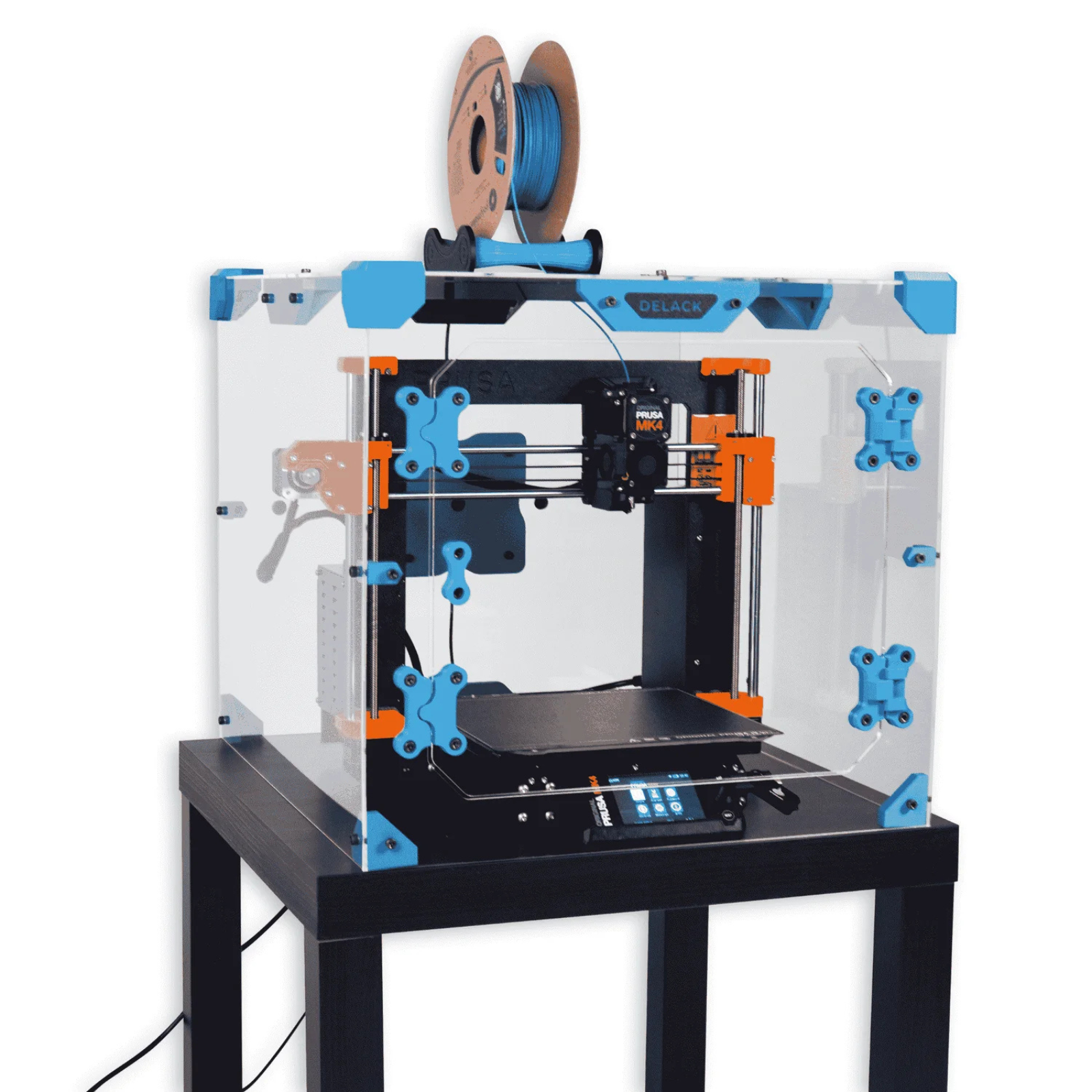


Share this page with your family and friends.