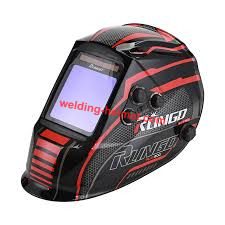
An electric arc can appear suddenly, producing an intense burst of light that changes the visual environment around the welding area almost instantly. A welding hood auto darkening system is designed to recognize this change through optical sensors and activate the filter without requiring the operator to raise or lower the hood manually. For users exploring welding protection equipment, response behavior is closely connected with sensor design, electronic processing, filter construction, and operating conditions. Welding-helmet technology brings these elements into one working system, but how fast can an auto darkening filter actually react when the welding arc begins?
The response process starts with light detection. Before welding begins, the filter remains in a relatively bright viewing state so the operator can position the workpiece, torch, electrode, and tools. When the arc is established, sensors detect the characteristic increase in light intensity. The control circuit then processes the signal and activates the liquid crystal filter. The optical state changes from light to dark, allowing the operator to continue the welding task without manually changing the viewing position.
Manufacturers often describe this transition using very small units of time because the electronic process takes place extremely quickly. However, a switching figure should not be viewed as the only factor that determines practical performance. The actual response also depends on sensor visibility, arc intensity, filter condition, sensitivity settings, surrounding illumination, and the design of the electronic control system. Two helmets may therefore have similar published switching figures while offering different operating characteristics under specific workshop conditions.
Sensor arrangement is particularly important. Auto darkening filters can use several sensing points positioned around the front of the cartridge. Their purpose is to recognize the light generated by an arc from different working angles. A wider sensor arrangement can be useful when the operator changes position during welding, although sensor quantity alone does not determine the complete response behavior. Placement, detection range, electronic processing, and protection from obstruction all contribute to the result.
The welding position can create additional challenges. When the arc is directly visible to the sensors, detection is generally straightforward. A different situation may occur when the workpiece, pipe, fixture, hand, or another object blocks part of the optical path. Smoke and accumulated contamination on the front protection plate may also affect the amount of light reaching the sensors. Keeping the sensing area and protective components clean is therefore an important part of routine equipment care.
Sensitivity adjustment gives the operator a way to adapt the filter to different working environments. A lower-energy arc may require a different setting from a strong arc that produces a clearly visible light source. Nearby welding operations, reflective surfaces, workshop lighting, and other bright sources can also influence sensor behavior. A properly adjusted sensitivity level helps the system distinguish the intended welding arc from unrelated changes in illumination.
The welding process itself deserves attention. MIG, TIG, stick welding, plasma-related operations, and other arc applications can create different optical conditions. TIG work at a relatively low current can present a different detection situation from a powerful arc with a direct line of sight. This is why filter selection should consider the intended process, shade range, sensitivity adjustment, and delay function rather than relying on a single response specification.
Another useful distinction is the difference between darkening time and delay time. Darkening occurs when the filter changes from its light state after detecting the arc. Delay refers to the period before the filter returns toward its lighter viewing state after the arc disappears. These functions serve different purposes. During repeated welding cycles, a suitable delay setting can keep the filter dark for an appropriate period rather than producing unnecessary rapid changes between viewing states.
Viewing quality also influences the experience of a fast switching filter. A quick transition is only one part of the optical system. The operator still needs a clear view of the joint, electrode, torch position, and surrounding work area. Shade selection, viewing area, optical clarity, contrast, and color perception can affect how easily the weld pool is observed. A filter that switches rapidly should therefore be considered alongside its broader optical characteristics.
Power supply is another element that deserves attention. Depending on the design, an auto darkening cartridge may operate through batteries, solar-assisted power, or a combination of sources. The electronic circuit requires stable energy to interpret sensor signals and control the filter. Battery condition, charging requirements, solar exposure, storage conditions, and operating temperature may therefore influence equipment behavior. Following the manufacturer's maintenance instructions helps keep the system within its intended operating conditions.
For industrial buyers, response time is best understood as one part of a wider product specification. Sensor arrangement, sensitivity control, delay adjustment, shade range, viewing area, power configuration, optical characteristics, protective plates, and maintenance requirements can all affect suitability. The intended welding process should remain central to the selection because a specification that appears impressive on paper may not address the actual conditions found in a fabrication shop, repair station, workshop, or production line.
Manufacturers also need consistent inspection procedures when producing auto darkening equipment. Sensor alignment, electronic components, optical elements, filter switching behavior, adjustment controls, power functions, and protective components can all form part of a quality inspection program. Consistent assembly is particularly important because small differences in component positioning or electrical connections can affect the way the finished unit responds to an arc.
Users should also remember that a published response figure describes a specific test or product configuration rather than every possible working situation. Ambient illumination, sensor exposure, welding position, contamination, power condition, and selected settings can all influence actual operation. A user manual should therefore be read before operation, and the filter should be checked whenever its response appears unusual. If the filter does not switch as intended, welding should stop until the equipment has been inspected according to the manufacturer's instructions.
For companies comparing welding protection solutions, technical product information can provide useful details about sensor arrangements, optical configurations, adjustment functions, and intended applications. The resources available through Welding-helmet at https://www.welding-helmet.com/product can help buyers examine welding equipment options and understand how Welding Hood Auto Darkening technology relates to practical welding requirements, while the final selection should follow the manufacturer's specifications and the conditions of the intended application.


 Search in Classifieds
 Search in Groups
 Search in Polls
 Search in Members
 Search in Members
 Search in News
 Search in Businesses
 Search in Contests
 Search in Events
 Search in Music Albums
 Search in Music Songs
 Search in Quotes
 Search in Site Team




Share this page with your family and friends.