



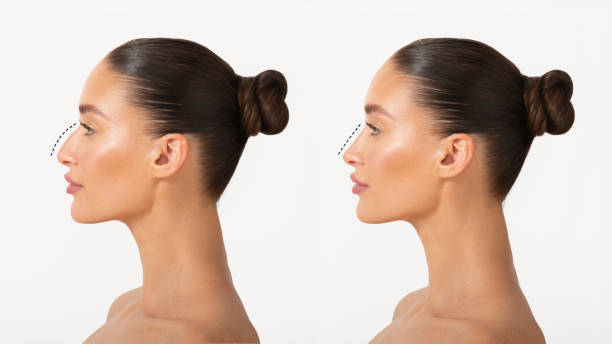
You've had the surgery, the splint is off, and you're looking in the mirror wondering when your nose will finally look like the one you discussed. The answer, frustratingly, is not soon. Rhinoplasty in Riyadh Rhinoplasty results settle gradually, shaped by swelling, tissue healing, and how cartilage adapts over months. Understanding why this timeline exists removes much of the anxiety of early recovery. If you've had Rhinoplasty in Riyadh, here's why results take time to fully settle and what's happening beneath the surface.
The Nature of Rhinoplasty Healing
Multiple Tissue Types
Rhinoplasty involves skin, cartilage, bone, and mucosa. Each heals at a different rate, and each affects the final appearance.
The Inflammatory Response
Surgery triggers inflammation, which is necessary for healing but also causes swelling that masks results.
The Delicate Nasal Structure
The nose has thin skin and limited tissue. This makes swelling more visible and slower to resolve than in many other areas.
The Role of Gravity
Gravity affects how fluid accumulates and resolves, particularly during the early weeks of recovery.
Why Swelling Takes Time
Thin Skin and Limited Tissue
The nose has thin skin and little subcutaneous fat, making swelling more pronounced and persistent.
The Tip Swells Most
The tip has the thickest skin and holds fluid longest, which is why definition there emerges last.
Lymphatic Drainage
The lymphatic system clears fluid gradually. This process can't be rushed.
Swelling Resolves Over Months
Most visible swelling resolves within weeks, but subtle swelling can persist for up to twelve months.
Why Cartilage Takes Time
Cartilage Settles Gradually
Cartilage grafts and reshaped structures take months to stabilise and integrate with surrounding tissue.
Scar Tissue Forms
Internal scar tissue forms over weeks and months, affecting how the nose looks and feels.
The Nose Continues to Change
The nose continues to settle for up to a year after surgery, with subtle changes continuing beyond.
The Healing Timeline
Days One to Three
Swelling peaks. The nose looks larger and less defined than final.
Week One
Splints are removed. Swelling begins reducing, but the nose still looks fuller than final.
Weeks Two to Four
Noticeable improvement. Most visible swelling resolves, but subtle swelling remains.
Months Two to Three
Meaningful refinement. The tip begins to show more definition.
Months Four to Six
Continued improvement. Results look increasingly natural.
Months Six to Twelve
Final settling. Cartilage stabilises and skin contracts around the framework.
Beyond Twelve Months
Minimal changes. Final results are visible.
What Affects How Long Results Take to Settle
Surgical Technique
More extensive surgery means more swelling and a longer settling period.
Skin Thickness
Thicker skin holds swelling longer and delays definition.
Age
Younger skin generally heals more efficiently, though individual variation is significant.
Individual Healing
Genetics, health, and lifestyle all influence recovery speed.
Aftercare Compliance
Head elevation, sodium intake, and avoiding strain all affect how smoothly you heal.
Smoking
Smoking impairs circulation and significantly prolongs healing.
What You Can Do to Support Settling
Sleep With Your Head Elevated
Use a wedge pillow or stack pillows to maintain elevation.
Reduce Sodium
Salty foods worsen fluid retention.
Stay Hydrated
Water supports circulation and healing.
Avoid Alcohol and Smoking
Both impair healing and prolong swelling.
Walk Gently
Light movement supports circulation without stressing healing tissue.
Attend Follow-Ups
Regular check-ins allow your surgeon to assess progress.
Be Patient
Healing takes months. Judging early leads to unnecessary worry.
What Not to Do
Don't Judge Results Too Early
Assessing at three weeks is premature.
Don't Skip Follow-Ups
Early issues are often caught before you notice symptoms.
Don't Compare Yourself to Others
Everyone heals differently.
Don't Ignore Warning Signs
Fever, worsening pain, spreading redness, or breathing difficulty need prompt attention.
Setting Realistic Expectations
Results Take a Year
This is the standard timeline for most patients.
Improvement Is Gradual
You won't see dramatic daily changes.
Final Shape Emerges Over Time
The nose you have at three months is not the nose you'll have at twelve.
Your Perception Will Change
As swelling reduces and you adjust, your feelings about the result often shift positively.
Questions to Ask Your Surgeon
About Timeline
"When will I see my final results?"
About Swelling
"How long will swelling last?"
About Factors
"What might affect how quickly I see results?"
About Follow-Up
"When are my follow-up appointments?"
About Warning Signs
"What symptoms should prompt me to contact you?"
Book an Appointment Consultation Clinic
For those seeking expert guidance and customized aesthetic care, you can book an appointment consultation at the Enfield Royal Riyadh. A personalised consultation helps you understand the timeline and set realistic expectations.
FAQs
Why do rhinoplasty results take so long to settle?
Swelling resolves gradually, and cartilage takes months to stabilise. Final results emerge around twelve months.
When will I see my final rhinoplasty results?
Most patients see final results around twelve months, though improvement is visible by three months.
Why does the tip take longer to heal?
The tip has thicker skin and holds fluid longer, so definition emerges last.
Can I speed up the settling process?
Follow aftercare instructions, avoid smoking and alcohol, and be patient. Healing follows its own timeline.
What if I'm unhappy with my results at three months?
Wait. Swelling can persist for months, and final results take a year. Discuss concerns at your follow-up. A Rhinoplasty in Riyadh consultation should include realistic timeline expectations. People researching nose surgery in saudi arabia price should factor in the healing process.


Share this page with your family and friends.