Search in Classifieds
Search in Groups
Search in Polls
Search in Members
Search in Members
Search in News
Search in Polls
Search in Businesses
Search in Contests
Search in Events
Search in Music Albums
Search in Music Songs
Search in Quotes
Search in Site Team
Search in Jobs
Search in Products
Search in Products
Posted by - CrystalNova -
on - Jun 20 -
Filed in - Sports -
-
589 Views - 0 Comments - 0 Likes - 0 Reviews
Season 14 of Diablo 4 brings one of the most controversial item system changes the game has seen so far. The Mythic Uniques rework doesn’t just tweak drop rates or adjust numbers—it completely reshapes how top-tier loot works, how builds are planned, and how players chase endgame gear.
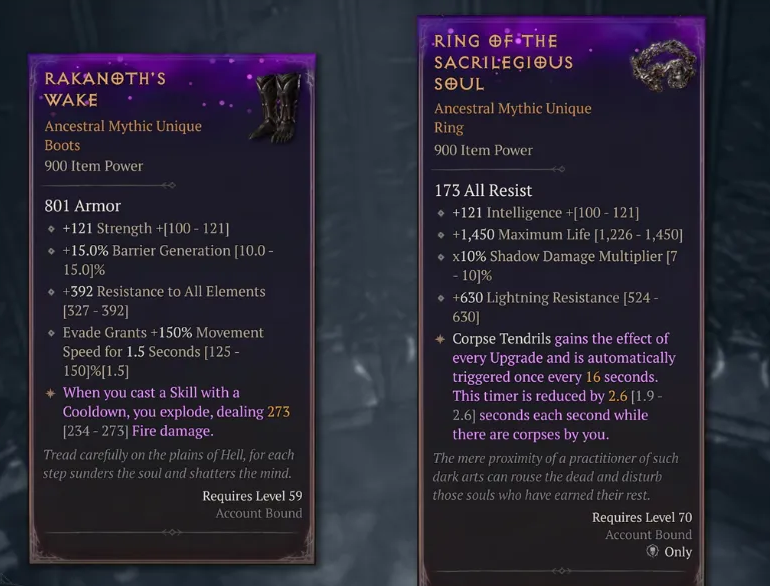
Instead of Mythic Uniques being a separate, fixed category of ultra-rare items, they are now treated as a quality layer that can apply to any Ancestral Unique. That single shift changes everything about how “best-in-slot” items are defined.
In the old system, Mythic Uniques like Harlequin Crest (Shako), Melted Heart of Selig, and The Grandfather were static, instantly recognizable chase items with fixed identities and predictable power profiles.
In Season 14, that structure is gone.
Mythic is now a modifier that can roll on top of any Unique item. If a Unique becomes Mythic, it gains a significant power boost and improved stat ceilings, but it is no longer tied to a fixed identity or guaranteed affix set.
The key change is this: Mythic is no longer “what the item is,” but “how well the item rolled.”
One of the biggest implications of this rework is that the Mythic quality is no longer restricted to a small pool of legendary items.
Instead:
This creates a system where almost any Unique drop has the potential to become a top-end item, depending on its roll quality.
The upside is clear: more flexibility and more viable drops. The downside is that item identity becomes much less predictable.
The most dramatic—and most debated—change is the removal of fixed stat lines from most Uniques and Mythics.
Previously, players knew exactly what they were chasing. A Shako was a Shako. A Grandfather always had the same core identity.
Now, that certainty is gone.
When a Unique drops:
One example is The Grandfather, which still guarantees a Critical Strike Chance-related affix under its updated ruleset, but these exceptions are rare.
This creates a much more chaotic loot environment where “good base item” matters less than “good roll.”
At the same time, crafting systems like Cube-style modification cannot generate Greater Affixes, meaning the absolute best versions of items still depend on natural drops rather than crafting perfection.
To balance the fact that Mythic-tier items are now more broadly available, Blizzard has significantly reduced their raw power scaling across the board.
Some of the most notable adjustments include:
These changes also ripple through class balance. Builds that previously relied on stacking Mythic power spikes, especially certain Barbarian setups, see noticeable indirect nerfs.
In short, Mythics are more common, but far less game-breaking.
The response from players is split almost evenly, and the debate is mostly about what Diablo loot should feel like.
On the positive side, some players appreciate the increased flexibility. Under the new system, previously “bad” Unique items can roll into powerful combinations through crafting and optimization. This opens the door to more experimental builds and reduces the feeling that only a handful of items matter.
A poorly rolled Unique is no longer permanently useless. It can still become part of a strong setup if the Mythic quality and affix rolls align correctly.
On the negative side, critics argue that the system removes the excitement of hunting iconic items. When everything becomes randomized and tier identity fades, Mythic items lose their “legendary identity” and start to feel more like upgraded legendaries than meaningful endgame milestones.
There is also concern that the system shifts too much weight toward RNG layers, making loot feel less like a targeted chase and more like repeated gambling with multiple modifiers stacked together.
The Mythic Uniques rework fundamentally changes how players approach endgame progression in Season 14.
Instead of targeting specific iconic items, players now focus on:
The entire loop shifts from “find this item” to “find a better roll of something that could work.”
For some players, this makes Diablo 4 more dynamic and replayable. For others, it removes a sense of identity that used to define the game’s rarest loot.
Either way, Season 14 marks a clear turning point in how Diablo 4 defines power, rarity, and reward structure.
We are a close community to help to meet and greet new people.
We are a secure community with 5000+ active members who help you with your queries, post new updates and grow your network.

Share this page with your family and friends.