




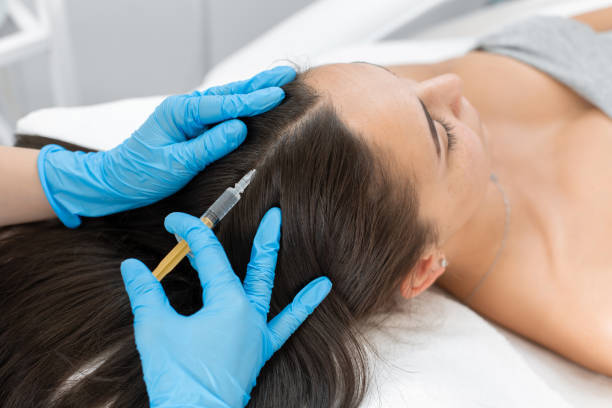
A thorough health review is one of the most important steps before PRP hair treatment. PRPHairTreatment in Riyadh It helps your provider assess your suitability, identify potential risks, and plan a safe procedure. Certain medical conditions, medications, and lifestyle factors can affect treatment safety and results. Understanding what to discuss openly ensures your wellbeing and supports the best possible outcome.
Why Health Discussions Matter
Health discussions matter because PRP involves drawing blood and injecting it into the scalp. While PRP uses your own biology and has a strong safety profile, certain conditions increase risk or reduce effectiveness. Honest disclosure allows your provider to plan appropriately or recommend alternatives. For anyone considering PRPHairTreatment in Riyadh, this conversation is essential for safe treatment.
Blood Disorders and Clotting Issues
Discuss any blood disorders you have. Thrombocytopenia, hemophilia, von Willebrand disease, and other clotting abnormalities may make PRP unsuitable. A history of blood clots, including deep vein thrombosis or pulmonary embolism, is also relevant. Your provider may recommend blood tests or specialist evaluation before proceeding. Patients researching prp hair treatment cost in saudi arabia should disclose these conditions during consultation.
Medications and Blood Thinners
Certain medications increase bleeding and bruising risk. Anticoagulants such as warfarin, apixaban, and rivaroxaban, and antiplatelet drugs such as clopidogrel, affect clotting. Some supplements, including ginkgo, ginseng, garlic, and high-dose vitamin E, have similar effects. Your provider will advise on adjustments before treatment. Never stop prescription medication without consulting your prescribing physician.
Autoimmune Conditions
Autoimmune conditions can affect healing and treatment response. Conditions such as lupus, rheumatoid arthritis, and psoriasis may influence suitability. Some autoimmune conditions cause hair loss directly, such as alopecia areata. Your provider may recommend specialist evaluation or coordinate care with your rheumatologist.
Active Infections
Active infections, including scalp infections, folliculitis, or systemic infections, are contraindications for PRP. Injecting into infected skin can worsen the infection and introduce bacteria deeper into tissues. Treatment should be postponed until the infection resolves. Patients with cold sores near the treatment area should also wait.
Compromised Immune Function
Compromised immune function, whether from HIV, organ transplantation, chemotherapy, or certain medications, affects healing and infection risk. Your provider may recommend specialist evaluation before proceeding. In some cases, PRP can still be performed with precautions. Honest disclosure allows appropriate planning.
Hormonal and Thyroid Conditions
Hormonal imbalances and thyroid disorders affect hair health and treatment response. Conditions such as hypothyroidism, hyperthyroidism, and polycystic ovary syndrome can contribute to hair loss. Addressing these conditions supports better results. Your provider may recommend blood tests to assess hormonal status before treatment.
Nutritional Deficiencies
Nutritional deficiencies, particularly iron, zinc, and vitamin D, can impair hair growth and reduce PRP effectiveness. Your provider may recommend blood tests to identify deficiencies. Correcting deficiencies through diet or supplements supports both hair health and treatment outcomes. Patients considering PRPHairTreatment in Riyadh should discuss their nutrition during consultation.
Pregnancy and Breastfeeding
PRP is not recommended during pregnancy or breastfeeding. Hormonal changes during these periods affect hair growth, and the safety of PRP has not been established. Women should wait until after breastfeeding ends and hormones stabilize before considering treatment.
Smoking and Alcohol Use
Smoking impairs circulation and healing and increases complication risk. Alcohol affects bleeding and healing. Discuss your smoking and alcohol habits honestly. Your provider will provide guidance on quitting or reducing use before and after treatment. These changes significantly improve outcomes.
Allergies
Discuss all allergies, including reactions to medications, latex, and adhesives. Allergies to anesthesia or pain medications affect treatment planning. Latex allergies require alternative supplies. Even mild allergies should be disclosed so your provider can avoid potential triggers.
Book an Appointment Consultation Clinic
For those seeking expert guidance and customized aesthetic care, you can book an appointment consultation at the Enfield Royal Riyadh. Their team performs thorough health evaluations and designs personalized PRP treatment plans focused on safety.
FAQs
What health conditions should I discuss before PRP?
Blood disorders, autoimmune conditions, infections, hormonal issues, and nutritional deficiencies.
Can I have PRP while taking blood thinners?
Possibly with adjustments under medical supervision; discuss with your provider.
Is PRP safe during pregnancy?
No, it is not recommended during pregnancy or breastfeeding.
Should I mention all medications and supplements?
Yes, disclose everything, including over-the-counter products and herbal supplements.
Is prp hair treatment cost in saudi arabia inclusive of health evaluation?
Not always; confirm whether evaluations are included in your treatment plan.
Conclusion
A thorough health discussion before PRP hair treatment is essential for safety and success. Blood disorders, medications, autoimmune conditions, infections, hormonal issues, and lifestyle factors all influence candidacy and outcomes. If you are considering PRPHairTreatment in Riyadh, choose a qualified provider who performs a thorough evaluation and prioritizes your wellbeing. Honest disclosure protects your health and supports the best possible results.


Share this page with your family and friends.