



Before-and-after photographs are the first thing most patients look for and the easiest thing to misinterpret. Rhinoplasty in Riyadh They show outcomes, but they rarely show context: how many procedures were involved, what techniques were used, how the patient healed, or how the lighting was set. Used properly, however, photographic imaging is one of the most valuable planning tools available, both for your surgeon and for you. If you're considering a Rhinoplasty in Riyadh, here's how before-and-after imaging genuinely helps.
Why Photographs Matter in Rhinoplasty Planning
The Nose Is Three-Dimensional
A nose looks different from every angle. Front, profile, oblique, and basal views each reveal different features. Photographs capture what a mirror alone can't show.
Standardisation Enables Comparison
Consistent lighting, distance, background, and angles allow meaningful before-and-after comparison. Without standardisation, differences reflect photography rather than surgery.
Documentation Supports Assessment
Pre-operative photos establish a baseline. Post-operative photos track healing over months, revealing how swelling resolves and results settle.
Communication Improves
Photos help you and your surgeon discuss goals using shared references rather than vague descriptions.
Legal and Medical Records
Standardised photographs form part of your medical record, which matters for follow-up and, if ever needed, revision planning.
How Standardised Photography Works
Multiple Angles
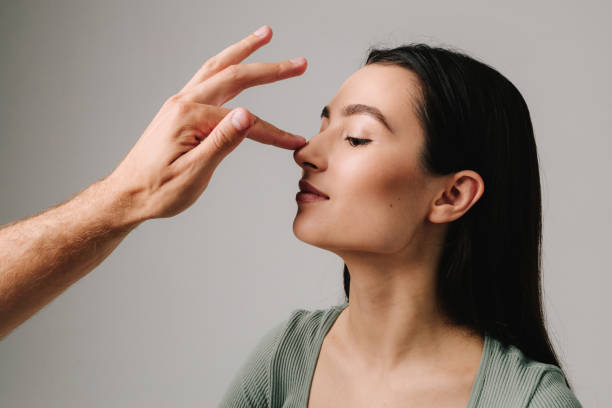
Surgeons typically capture frontal, profile (both sides), oblique, and basal views. Some also include a smiling photograph to assess dynamic changes.
Consistent Lighting
The same lighting setup is used for every session, eliminating shadows that distort appearance.
Fixed Distance and Lens
Camera distance and lens choice affect how noses appear. Consistency ensures accurate comparison.
Neutral Expression
Photos are usually taken with a relaxed, neutral expression, since smiling changes nasal appearance.
No Makeup or Jewellery
These can obscure features or distract from assessment.
Standardised Background
A plain background reduces visual distraction and improves comparison.
What Before-and-After Photos Can Show
Changes in Profile
Profile views clearly demonstrate bridge height, tip projection, and dorsal contour changes.
Tip Refinement
Oblique and frontal views show tip definition, rotation, and width changes.
Overall Facial Harmony
Comparing photos reveals how the nose relates to the chin, cheeks, and forehead after surgery.
Breathing-Related Structure
While photos can't measure airflow, they can show structural changes that relate to breathing.
Healing Progression
Sequential photos over months demonstrate how swelling resolves and results settle.
Realistic Outcomes
Seeing results across different patients helps you understand what rhinoplasty can and cannot achieve.
What Before-and-After Photos Cannot Show
How the Nose Moves
Static images don't capture how your nose looks when you smile, laugh, or express emotion.
Breathing Function
Photos can't measure airflow or show whether breathing improved.
Healing Variability
Your healing may differ significantly from the patient in the photo.
Surgical Technique Used
Two similar results may have been achieved through very different methods.
Time Since Surgery
A photo taken at three months looks different from one at twelve months. Context matters.
Lighting and Editing
Some photos are enhanced. Ask whether images are unretouched and standardised.
Individual Anatomy Differences
Your tissue, skin thickness, and bone structure differ from anyone else's.
How to Review Before-and-After Photos Critically
Check Standardisation
Are lighting, angles, and distance consistent between before and after? If not, differences may be photographic rather than surgical.
Look for Similar Anatomy
Find patients whose starting point resembles yours. Results from very different noses are less informative.
Request Multiple Angles
A single frontal photo tells you little. Ask to see full sets.
Ask About Timing
How long after surgery was the after photo taken? Early photos show swelling, not final results.
Ask About Additional Procedures
Some patients had chin augmentation, filler, or other treatments alongside rhinoplasty. This affects how results appear.
Ask if Photos Are Retouched
Genuine results don't need enhancement. Ask directly.
Look for Consistency
A surgeon whose results look consistently natural across patients is a better sign than one with a few dramatic outliers.
Using Photos in Your Own Planning
Bring Reference Photos
Collect images showing noses you admire. This helps your surgeon understand your preferences.
Be Specific About What You Like
Rather than saying "I want this nose," explain what appeals to you: the tip, the bridge, the overall balance.
Bring Photos of Yourself
Photos from different angles and at different ages help your surgeon understand how your nose has changed.
Discuss What's Achievable
Your surgeon should explain which aspects of your reference photos are realistic for your anatomy and which aren't.
Take Your Own Pre-Op Photos
Consistent self-photography before and after surgery helps you track changes objectively.
Avoid Comparing Yourself to Others
Your result will reflect your anatomy, not someone else's. Comparison often leads to unnecessary dissatisfaction.
Questions to Ask About Photos
About Standardisation
"Are your before-and-after photos taken under consistent conditions?"
About Timing
"How long after surgery were these after photos taken?"
About Additional Treatments
"Did this patient have other procedures alongside rhinoplasty?"
About Retouching
"Are these images unretouched?"
About Similar Cases
"Do you have results from patients whose noses resembled mine?"
About Realistic Outcomes
"Based on my anatomy, what results are realistic?"
Why Photographs Support Better Outcomes
They Set Realistic Expectations
Seeing genuine results across many patients prepares you for what rhinoplasty actually achieves.
They Improve Surgical Planning
Your surgeon uses your photos to plan technique, anticipate challenges, and refine approach.
They Track Healing
Sequential photos reveal how swelling resolves and whether results are progressing as expected.
They Catch Concerns Early
Comparing photos over time helps identify irregularities or asymmetry before they become significant.
They Support Honest Communication
Photos ground discussions in reality rather than imagination. A Rhinoplasty in Riyadh consultation should include a candid photo review.
Book an Appointment Consultation Clinic
For those seeking expert guidance and customized aesthetic care, you can book an appointment consultation at the Enfield Royal Riyadh. A personalised consultation includes detailed photographic assessment and realistic discussion of achievable outcomes.
FAQs
How do before-and-after photos help with rhinoplasty planning?
They help communicate goals, set realistic expectations, document baseline anatomy, and track healing over time.
Are rhinoplasty before-and-after photos reliable?
Only if standardised, unretouched, taken at consistent intervals, and shown with context about the procedure performed.
Should I choose a surgeon based on photos?
Photos are one factor among many. Credentials, experience, communication, and safety standards matter more.
Why don't my results match the photos I saw?
Healing, anatomy, swelling, and individual factors all affect outcomes. Photos show possibilities, not guarantees.
What angles should I look for in rhinoplasty photos?
Frontal, both profiles, oblique, and basal views. A smiling photo also helps assess dynamic appearance.


Share this page with your family and friends.