Search in Classifieds
Search in Groups
Search in Polls
Search in Members
Search in Members
Search in News
Search in Polls
Search in Businesses
Search in Contests
Search in Events
Search in Music Albums
Search in Music Songs
Search in Quotes
Search in Site Team
Search in Jobs
Search in Products
Search in Products
7 minutes, 30 seconds
-18 Views 0 Comments 0 Likes 0 Reviews
Accidents can happen in a split second, but the effects often linger much longer than people expect. While physical injuries usually get immediate attention, the emotional and psychological impact can quietly unfold over days, weeks, or even months. This is where post accident trauma becomes an important part of the conversation.
For many people, the experience doesn’t simply end once the situation is over. Instead, it can leave behind a mix of anxiety, fear, and emotional strain that’s difficult to explain especially to those who haven’t gone through it.
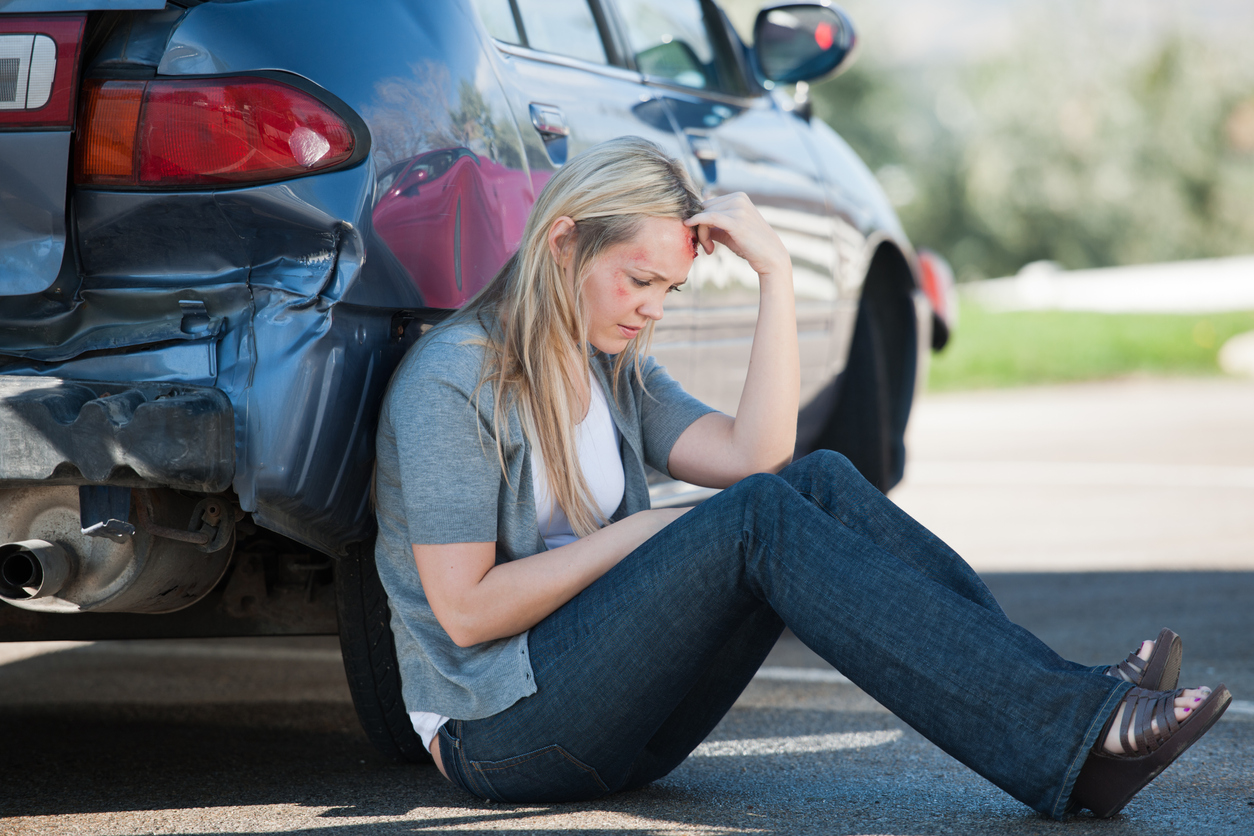
Post-Accident Trauma refers to the emotional and psychological stress that follows a distressing event, such as a car crash, workplace incident, or any unexpected accident. It’s a natural response to a situation where a person may have felt fear, danger, or loss of control.
Not everyone reacts the same way. Some people bounce back quickly, while others may find themselves replaying the event in their mind or feeling uneasy in situations that remind them of it. These reactions aren’t signs of weakness they’re part of how the brain processes shock and stress.
One of the most challenging aspects of post accident trauma is that it doesn’t always look the way people expect. It’s not just about feeling upset or shaken right after the incident.
For some, it shows up as difficulty sleeping or frequent nightmares. Others may feel constantly on edge, especially when driving again or returning to the place where the accident happened. Even loud noises or sudden movements can trigger a strong reaction.
There can also be emotional shifts. Someone who was once calm may become irritable or withdrawn. It’s common to feel a sense of unease without fully understanding why.
Trauma isn’t only mental it can affect the body as well. People experiencing post-accident stress often report headaches, fatigue, or muscle tension. These physical symptoms are the body’s way of responding to ongoing stress.
In some cases, the nervous system stays in a heightened state of alertness, as if the danger hasn’t fully passed. This can make it harder to relax, focus, or feel safe again.
Understanding this connection can make the experience feel less confusing. It’s not “all in your head” it’s a real, physical response to a stressful event.
It’s normal to feel shaken after an accident, but sometimes those feelings don’t fade with time. If symptoms continue or begin to interfere with daily life, it may be a sign of something deeper, such as post-traumatic stress.
This might include persistent flashbacks, avoiding certain situations, or feeling emotionally numb. In these cases, support from a mental health professional can be an important step toward recovery.
The key thing to remember is that there’s no fixed timeline. Healing looks different for everyone, and it’s okay if it takes time.
Recovering from post-accident trauma doesn’t usually happen all at once. It’s often a gradual process, built on small, manageable steps.
Talking about the experience with someone you trust can make a big difference. This could be a friend, family member, or counselor. Putting feelings into words can help reduce the intensity of them.
It can also help to gently return to normal activities at your own pace. For example, if driving feels overwhelming, starting with short, familiar routes can make the process less intimidating.
Paying attention to basic self care like getting enough rest, eating regularly, and staying active can support both mental and physical recovery.
One of the hardest parts of post-accident trauma is feeling like you’re dealing with it alone. Because the symptoms aren’t always visible, others may not fully understand what you’re going through.
That’s why support matters. Being heard and understood can make the experience feel less isolating. It also creates space for healing without pressure or judgment.
Professional help can also provide tools and techniques to manage anxiety, process the event, and rebuild a sense of safety.
Experiencing trauma after an accident doesn’t mean you’ll always feel this way. With time, support, and patience, many people find that the intensity of their symptoms gradually decreases.
In some cases, people even develop a greater sense of awareness and resilience as they move through the recovery process. While the experience may always be part of their story, it doesn’t have to define their future.
The important thing is to acknowledge what you’re feeling rather than pushing it aside. Healing begins with understanding, and every small step forward counts.
Post-accident trauma is more common than many people realize, yet it often goes unspoken. It’s not just about the event itself, but how the mind and body respond afterward.
By recognizing the signs and allowing space for recovery, it becomes easier to navigate the path forward. Whether the experience is mild or more intense, support and awareness can make a meaningful difference in the healing process.
We are a close community to help to meet and greet new people.
We are a secure community with 5000+ active members who help you with your queries, post new updates and grow your network.

Share this page with your family and friends.